
Our Articles, page 3
-
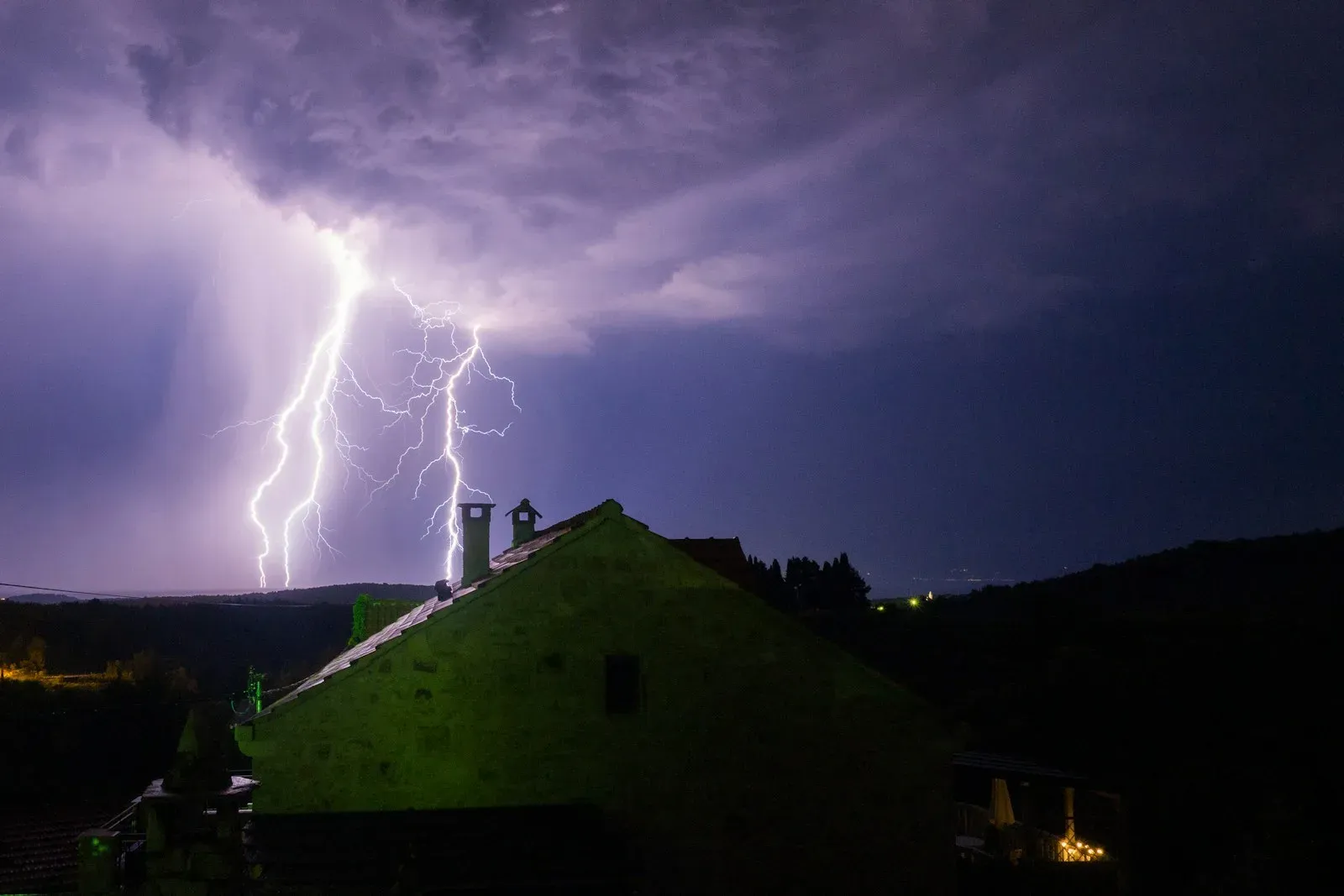
Does Homeowners Insurance Cover Lightning Strikes? What's Covered and How to Document a Claim
Standard homeowners policies generally cover lightning damage, including fire. Here's the 2025 claim data, the gray areas around power surges, and a step-by-step documentation checklist.
-
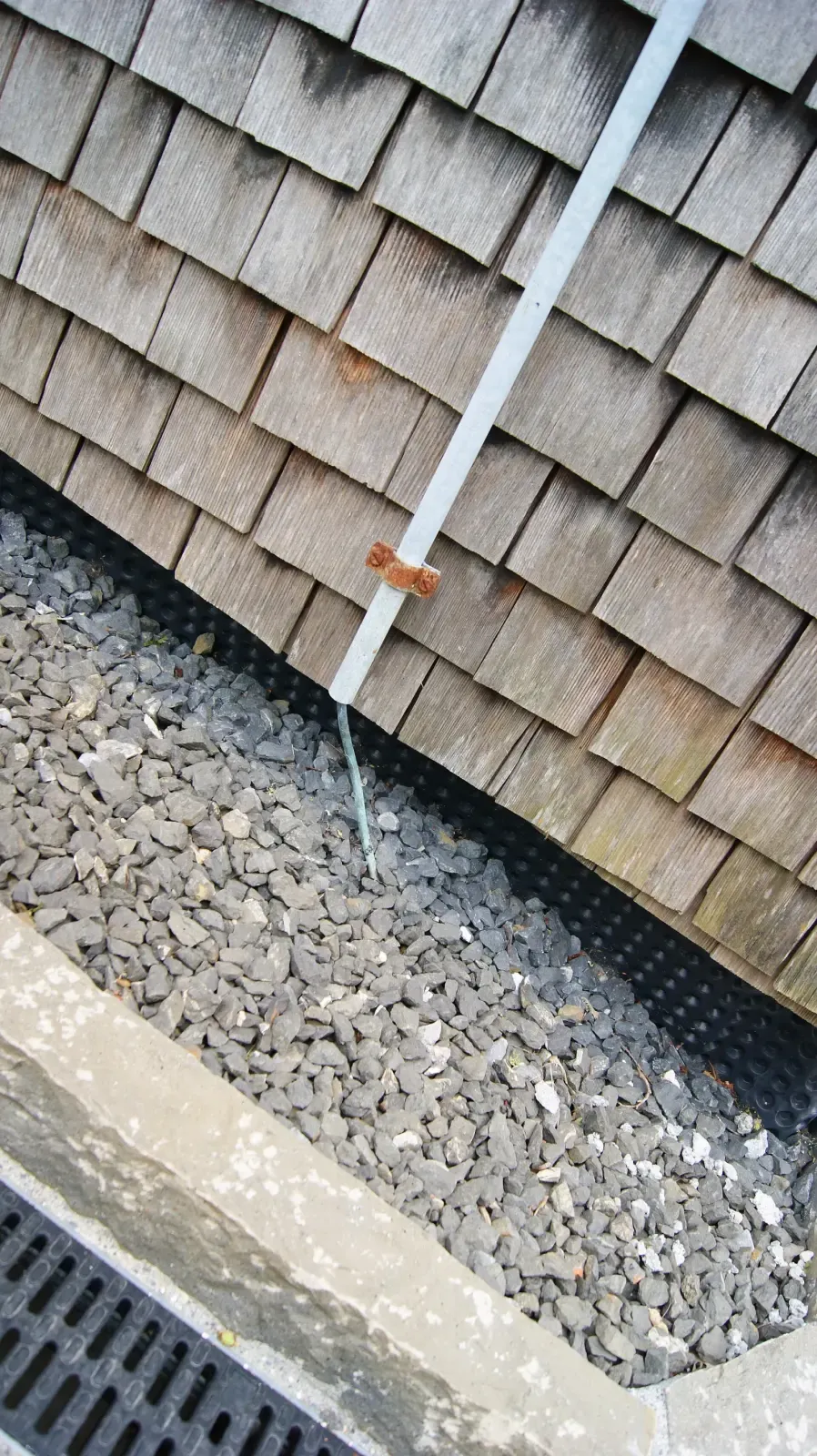
Lightning Rod Installation Cost for Homes: 2026 Price Ranges and What Drives Them
National survey ranges for home lightning rod installation, what actually moves the price, how many air terminals a real house needs, and what to ask before you sign a quote.
-
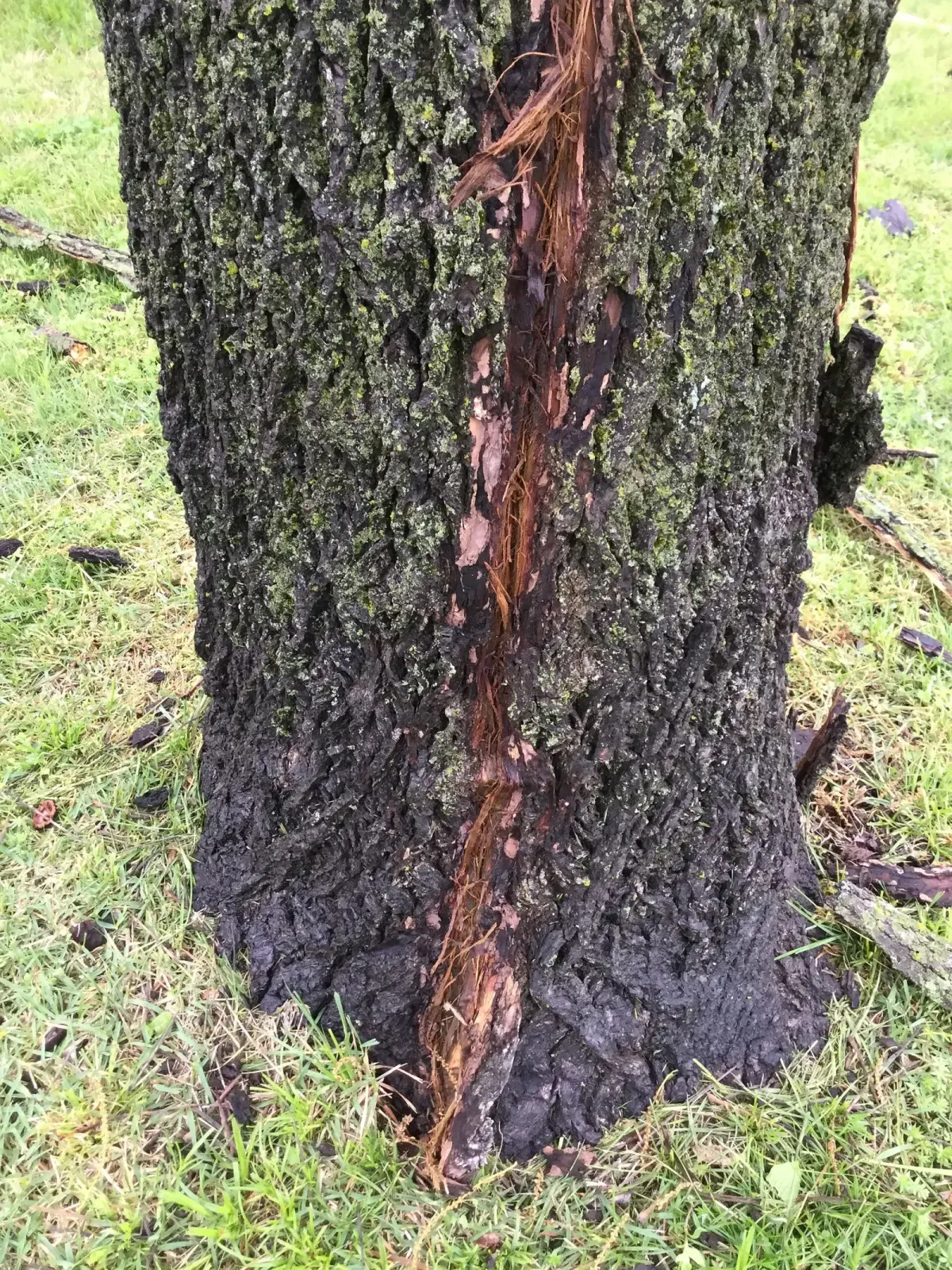
Tree Lightning Protection: How It Works and When It's Worth It
A tree lightning protection system is a copper cable run from the crown to a ground rod. Here's how it works, which trees are worth protecting, and why a big tree beside your house changes the plan for the house itself.
-
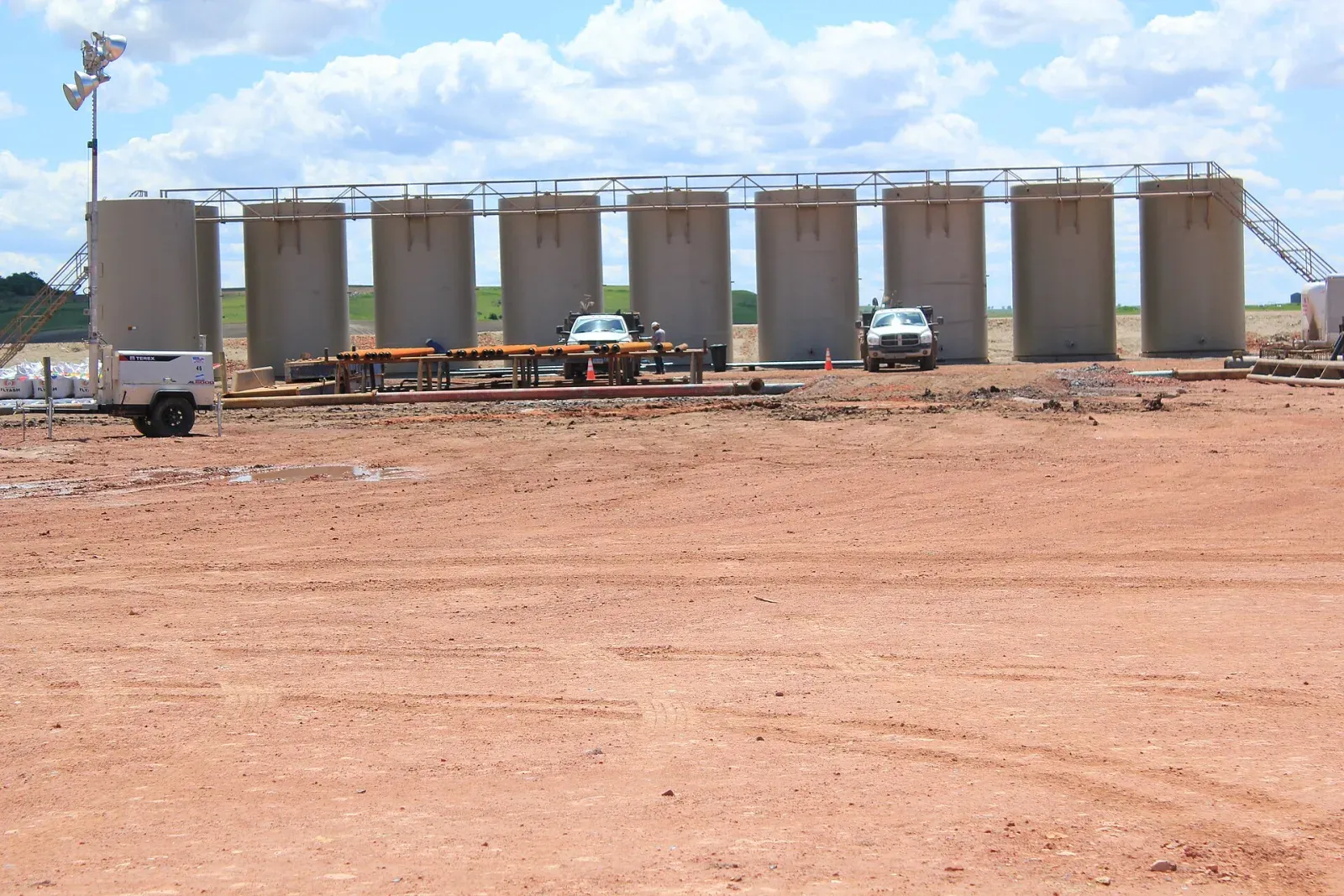
Tank Battery Lightning Protection: What Production Sites Need
Tank batteries got their own section in NFPA 780 in 2023. What it requires, how API RP 545 and the fiberglass-tank question fit in, what the North Dakota spill data shows, and a checklist for company men and HSE.
-
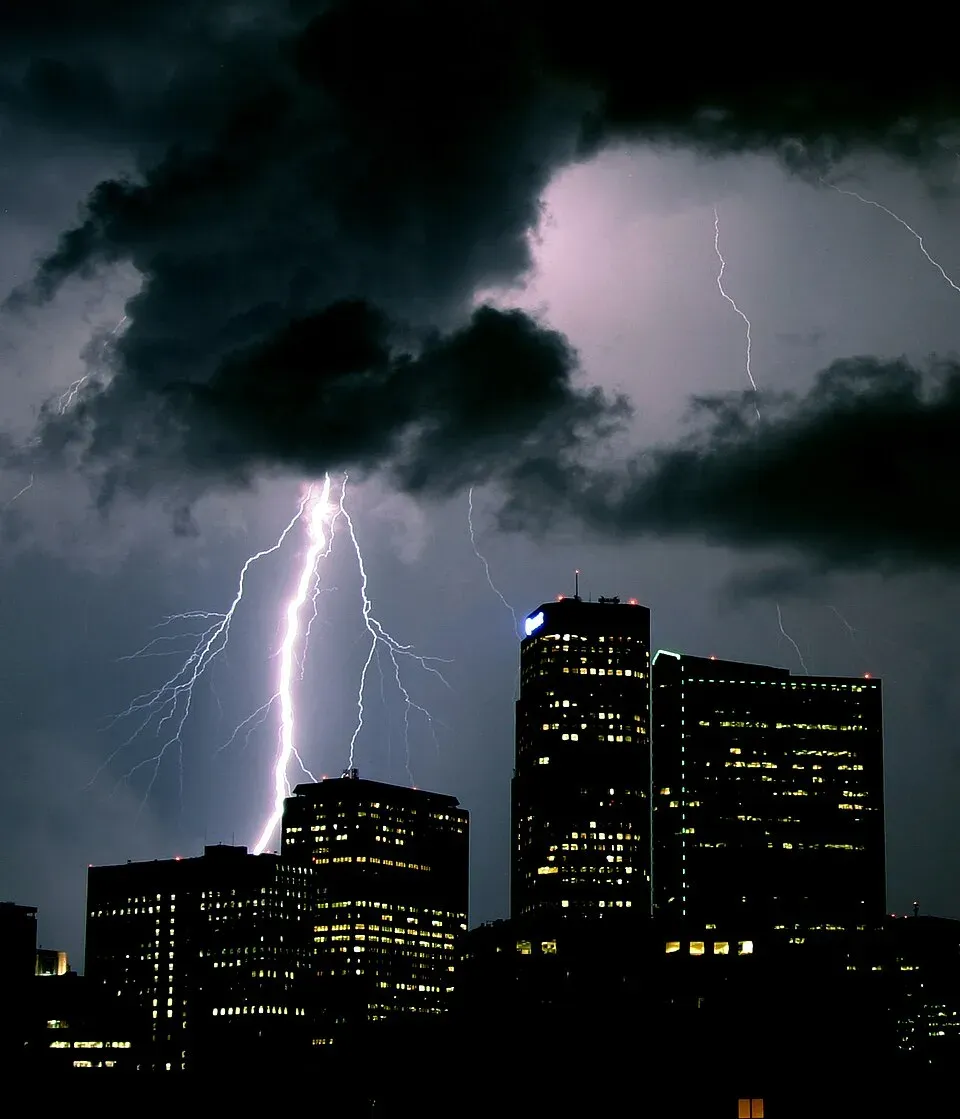
Home Lightning Protection in Colorado: What Front Range Homeowners Should Know
Colorado gets about 500,000 cloud-to-ground lightning flashes a year and ranks third in the nation for lightning deaths. Here's what that means for homes on the Front Range and in the foothills, and how a residential system fits a Colorado house.
-
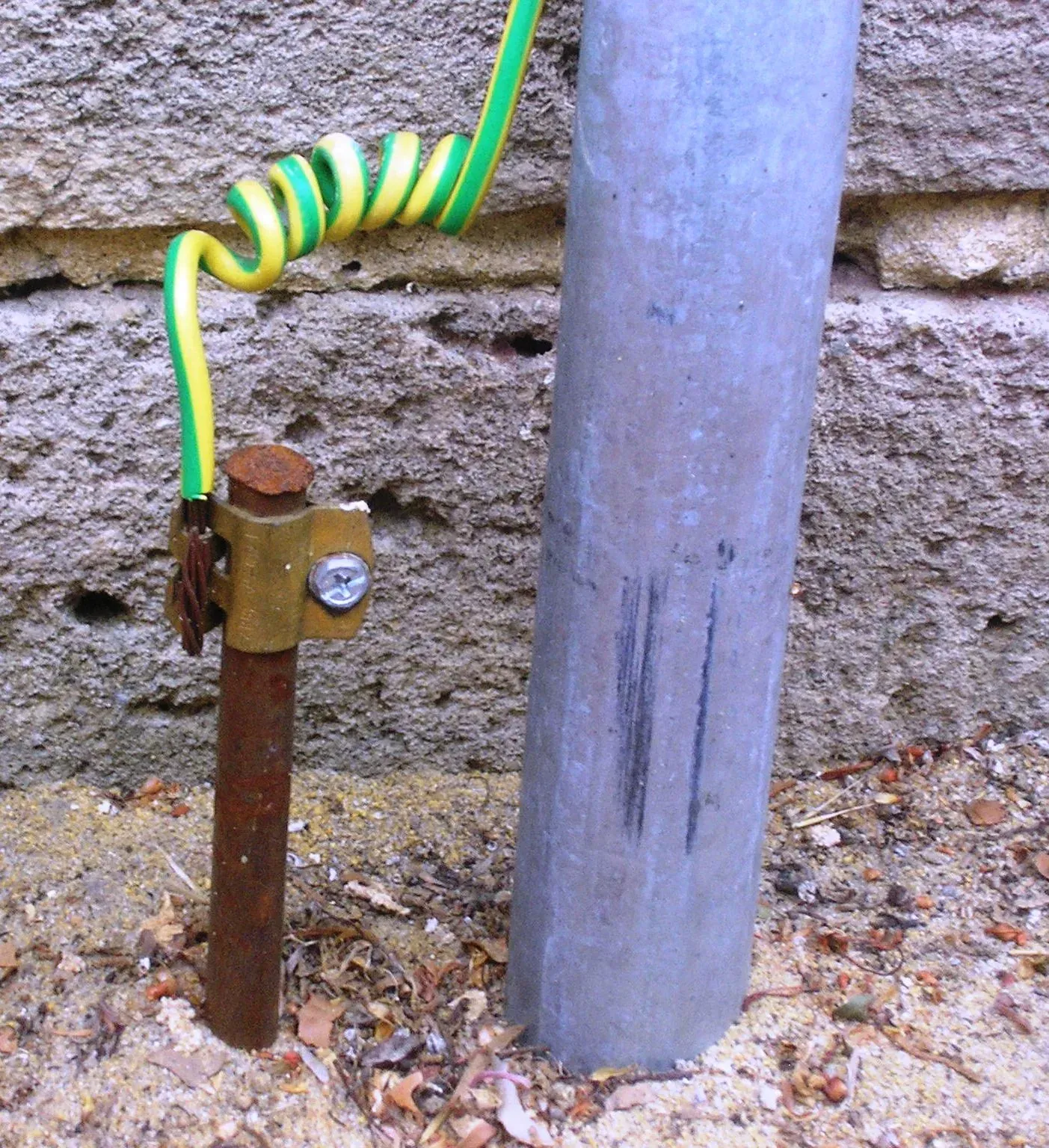
The Fall-of-Potential Test: How Lightning Protection Grounds Are Measured
A fall-of-potential test uses three points in the ground to measure a ground electrode's resistance to earth. Here's how the test is set up, how to spot a bad reading, and what the number means for a lightning protection system.
-
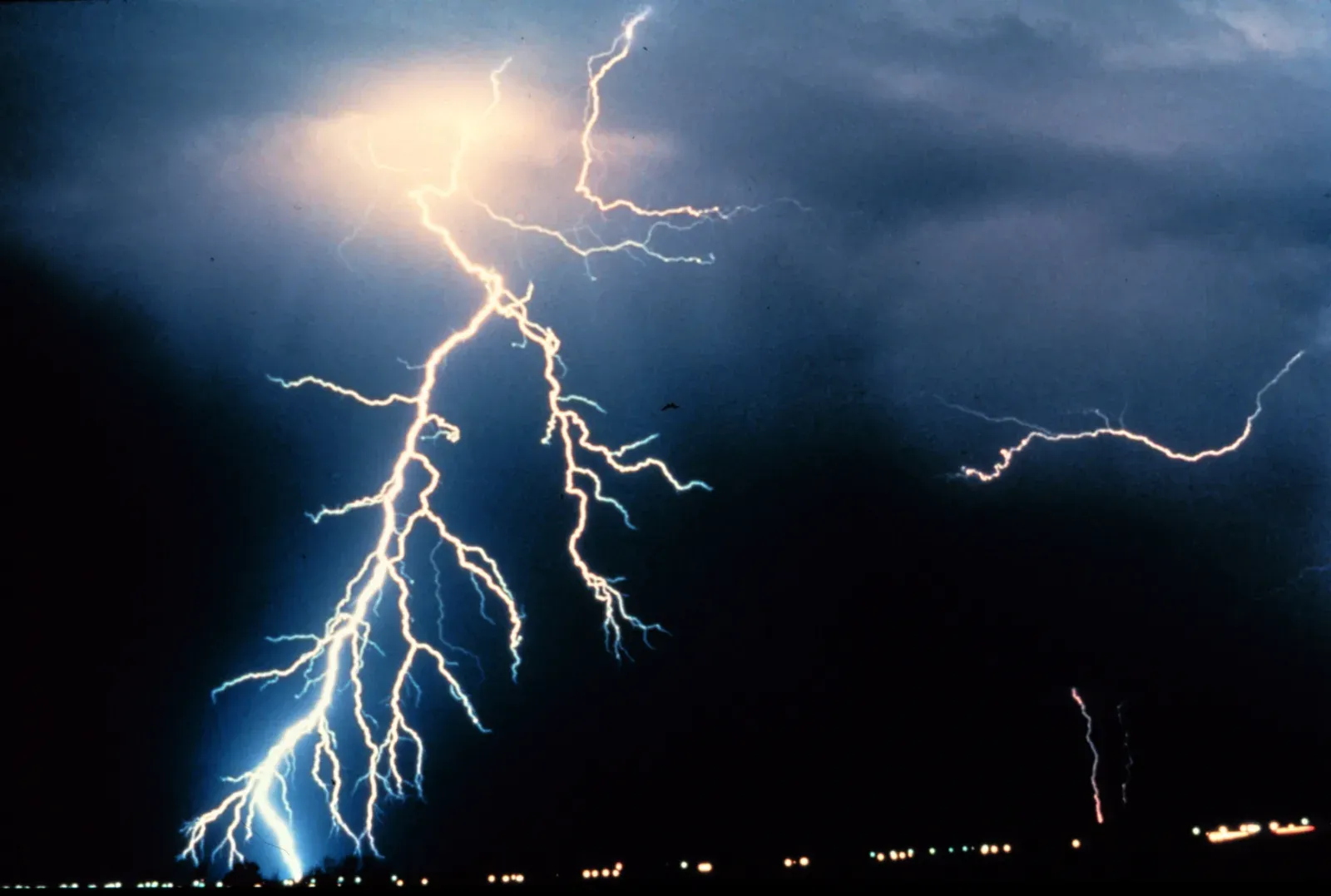
Lightning Risk Assessment: How NFPA 780 Annex L Decides If You Need Protection
NFPA 780's simplified risk assessment compares how often lightning is expected to hit your building with how often you can tolerate it. Here's each input in plain words, with worked numbers for a Colorado warehouse and house.
-

Do Metal Roofs Attract Lightning? What Really Happens in a Strike
A metal roof doesn't make a strike more likely. It also doesn't make a building protected. What the NWS, MCA and NFPA 780 say, and what metal-roofed homes, shops and pole barns still need.
-
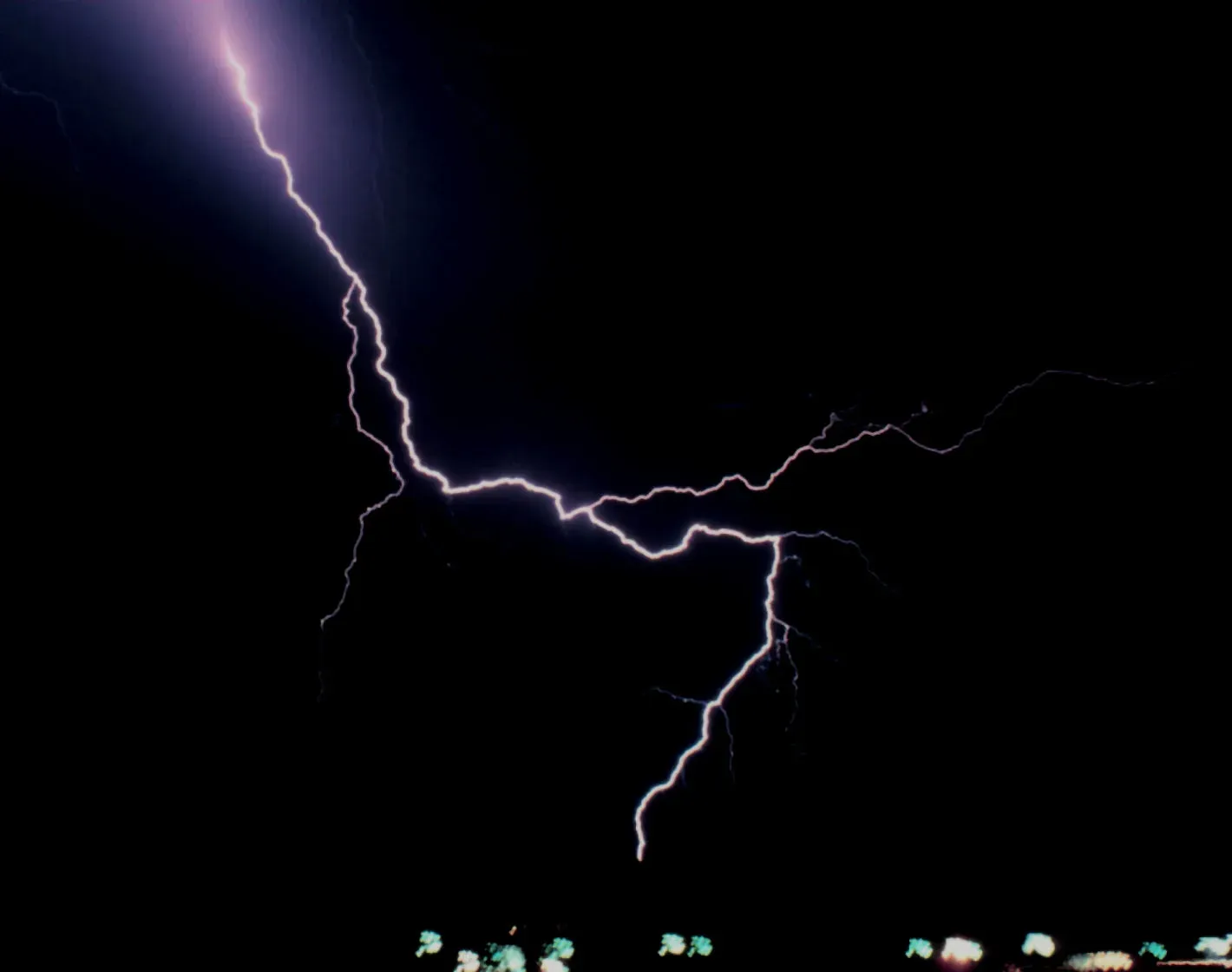
Colorado Monsoon Season and Lightning: When the Front Range Is Most at Risk
Colorado's monsoon usually arrives around the second week of July and runs through August, on top of an already busy summer storm season. Here's what the data says about lightning in the state and what to check on your building before it starts.
-
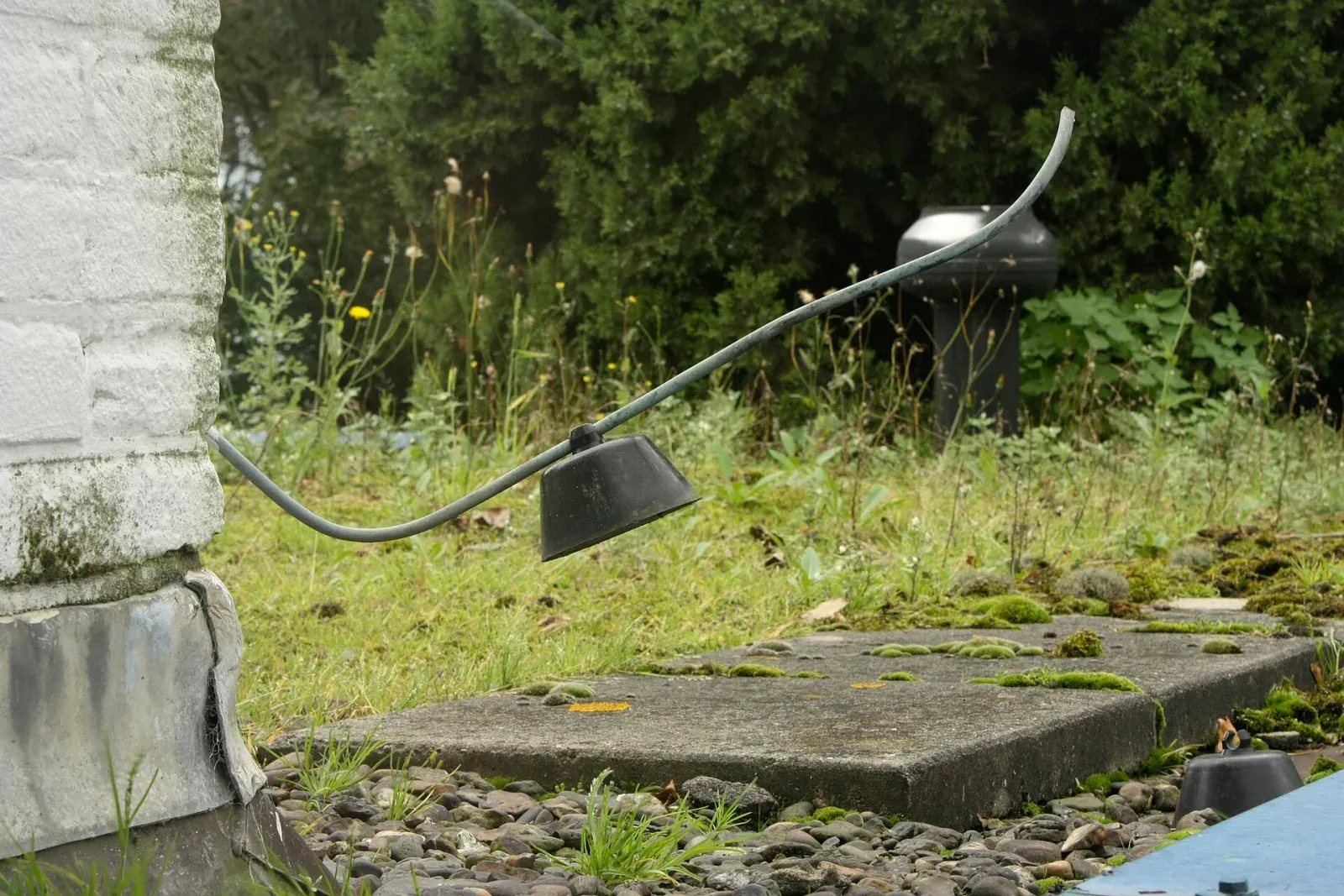
Grounding a House for Lightning: Ground Rods, Soil and Spacing
A house lightning protection system needs a grounding electrode at every down conductor, sized and placed for the soil, and bonded to the electrical service ground. Here's what the standards call for and why one DIY rod falls short.
-
Signs Your House Was Struck by Lightning, and What to Check Next
A diagnostic checklist after a close strike: the sound, the smell, the attic, the panel, the gas line and the electronics. Plus who to call, in what order.
-
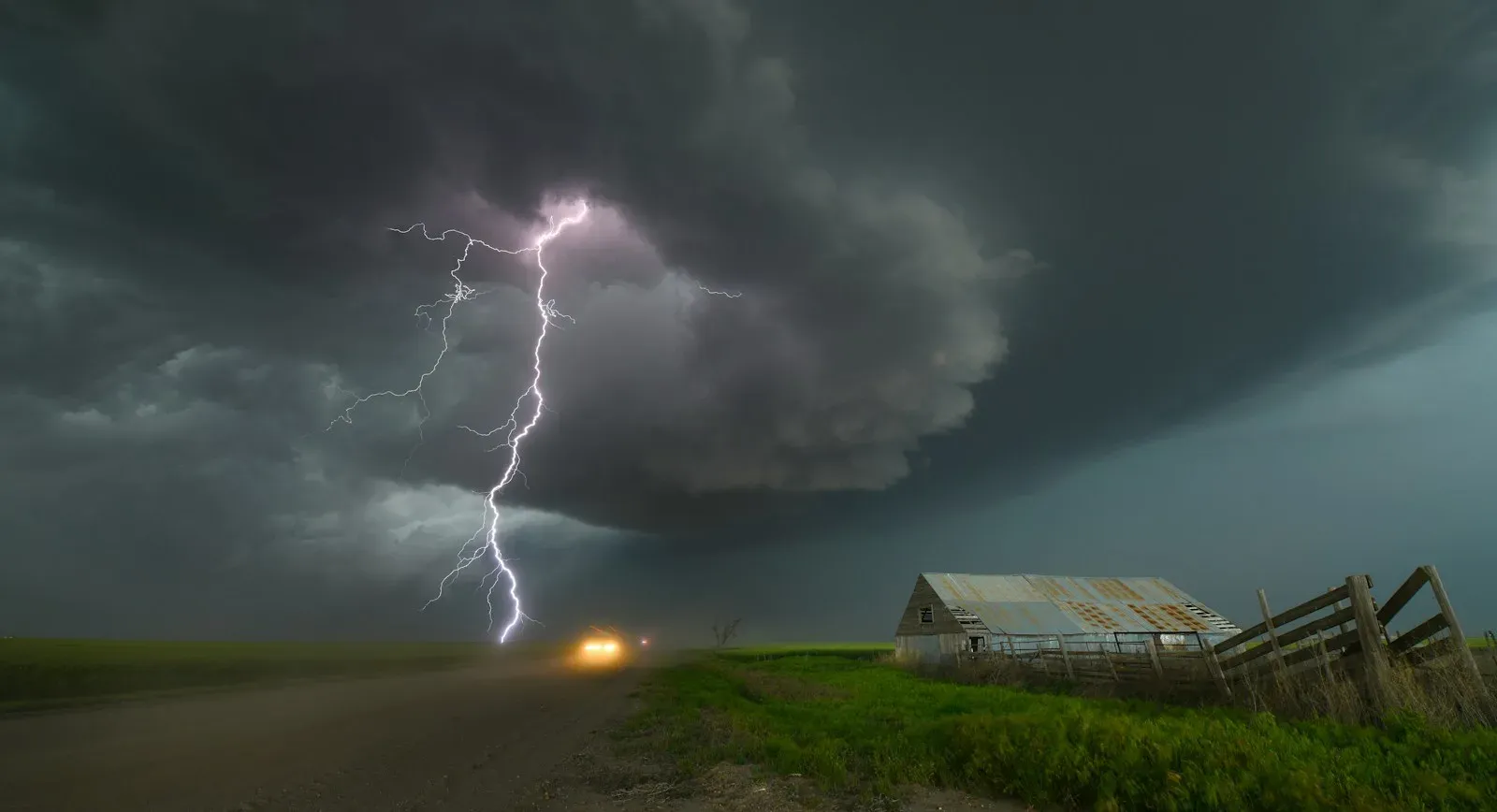
Lightning Rods on a House: What a Real System Looks Like
A walk around a protected house: air terminals on the ridge and chimney, conductors, down leads at the corners, ground rods and bonding. Why one rod on the roof is not a system.