Home Lightning Protection in Colorado: What Front Range Homeowners Should Know
By Site Safe Lightning Protection 6 min read
Home lightning protection in Colorado makes the most sense for houses that stand out: on a ridge, at the edge of open space, in the foothills above the trees, or simply the tallest roof on the block. Colorado sees about 500,000 cloud-to-ground lightning flashes a year and ranks third in the nation for lightning deaths, according to the National Weather Service office in Pueblo. A properly installed system gives a strike a planned path to ground instead of through your attic, wiring and gas line.
Here’s what the state’s lightning data actually says, what’s different about Colorado houses, and what to ask before you hire anyone.
How much lightning does Colorado get?
Colorado’s numbers are less dramatic than Florida’s or Oklahoma’s for strike density, but higher than most people expect for deaths and injuries. From NWS Pueblo’s Colorado ranking page:
| Measure | Colorado figure | Period |
|---|---|---|
| Cloud-to-ground flashes | About 500,000 a year | Annual average |
| National rank, total flashes | 19th | 2009–2018 |
| Flash density | 4.8 flashes per km², 32nd in the nation | 2009–2018 |
| National rank, lightning deaths | 3rd | 2006–2024 |
| Casualties | About 2 deaths and 12 injuries a year | Since 1980 |
| County with the most casualties | El Paso County | Long-term record |
The casualty numbers are high for a state with middling density because Colorado’s lightning so often hits people who are outdoors: hikers on 14ers, people on open ground, folks working outside in the afternoon. For houses, the takeaway is different. Half a million flashes a year is plenty, and the homes most at risk are the ones in the most exposed spots.
When Colorado’s lightning season peaks
Lightning here is a summer-afternoon event. KUNC, citing the National Weather Service, reported that on any given day in July, Colorado sees about 5,350 lightning flashes. The Colorado Climate Center at Colorado State University says the North American Monsoon typically ramps up in July and lasts through August, when afternoon thunderstorms become an almost daily occurrence. Its effects are strongest in southwest Colorado, with a secondary rainfall peak in Denver.
For homeowners that means two things. Schedule inspections and installs in spring, before the monsoon. And if you’re adding solar, a new roof or an addition, coordinate the lightning protection work before July.
What makes Colorado homes different
Exposure: ridges, foothills and open space
The National Weather Service says height, a pointed shape and isolation decide where lightning strikes. Foothill homes on ridges, houses above the tree line, and homes backing onto open space or prairie hit all three. A house in a dense subdivision with mature trees around it is less exposed than one standing alone on a ridge above Golden, Evergreen or Monument.
Rocky and shallow soil
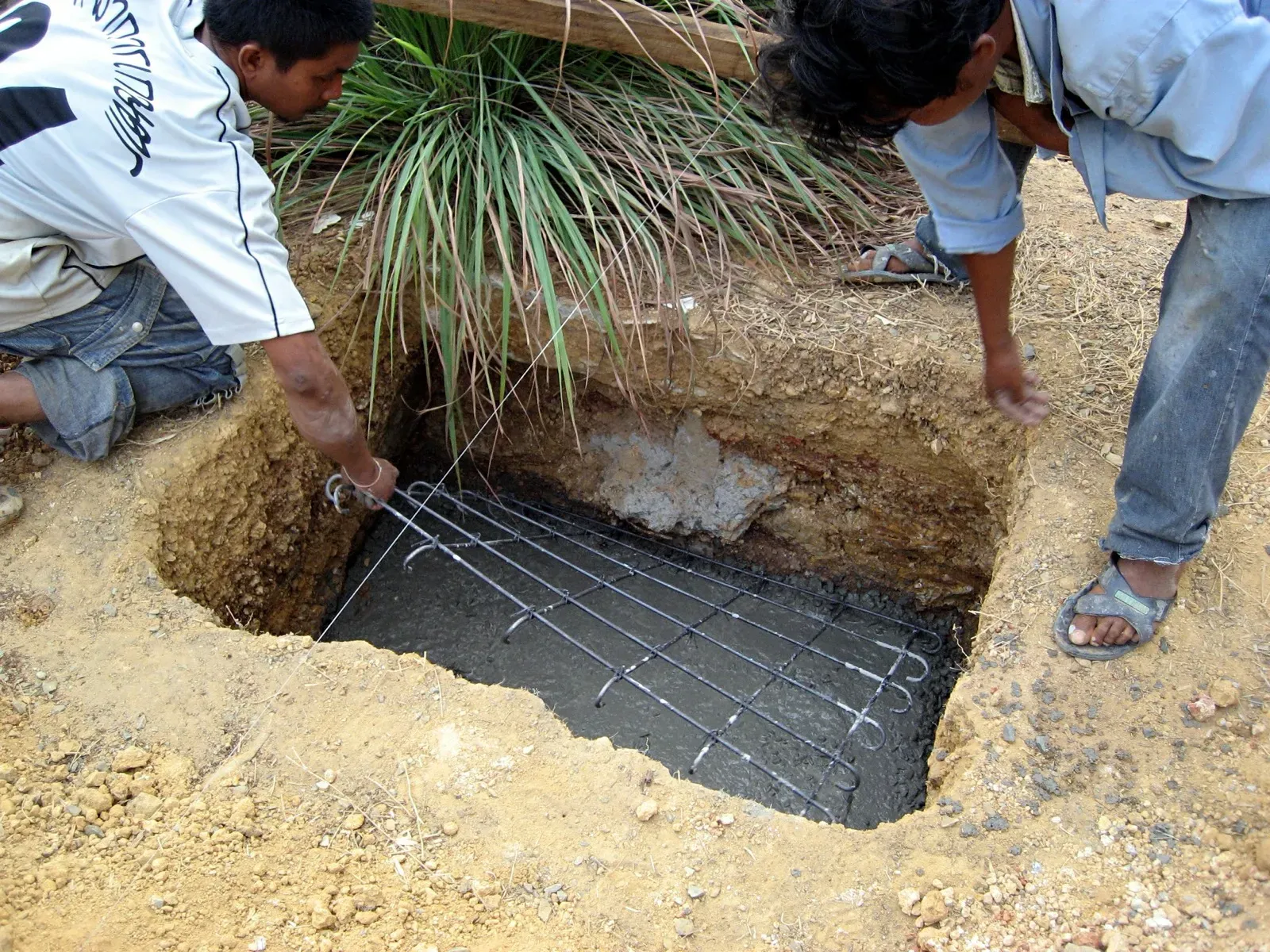
Grounding is harder when there’s rock a foot down. NFPA 780 has addressed this for years: its revision history notes added guidance for installing a grounding conductor directly on bedrock (2004 edition) and better provisions for grounding electrodes in shallow topsoil (2008 edition). In practice, a crew may use a ground ring, plates, or multiple shorter electrodes instead of a single long rod. Expect the quote on a rocky foothill lot to reflect that.
HOAs and appearance
Many Front Range HOAs care about how a roof looks. NFPA 780 (2023) includes requirements for concealed systems, so conductors can run inside the attic and walls rather than across the roof and down the siding. Air terminals still have to be on the roof, but they can be short and placed along the ridge where they’re hard to see from the street. Material choice helps too: ECLE notes that new copper darkens or turns green with age and suits darker surfaces, while aluminum suits light-colored ones. On a new build, concealed systems are easiest to install before drywall.
Gas lines and attics
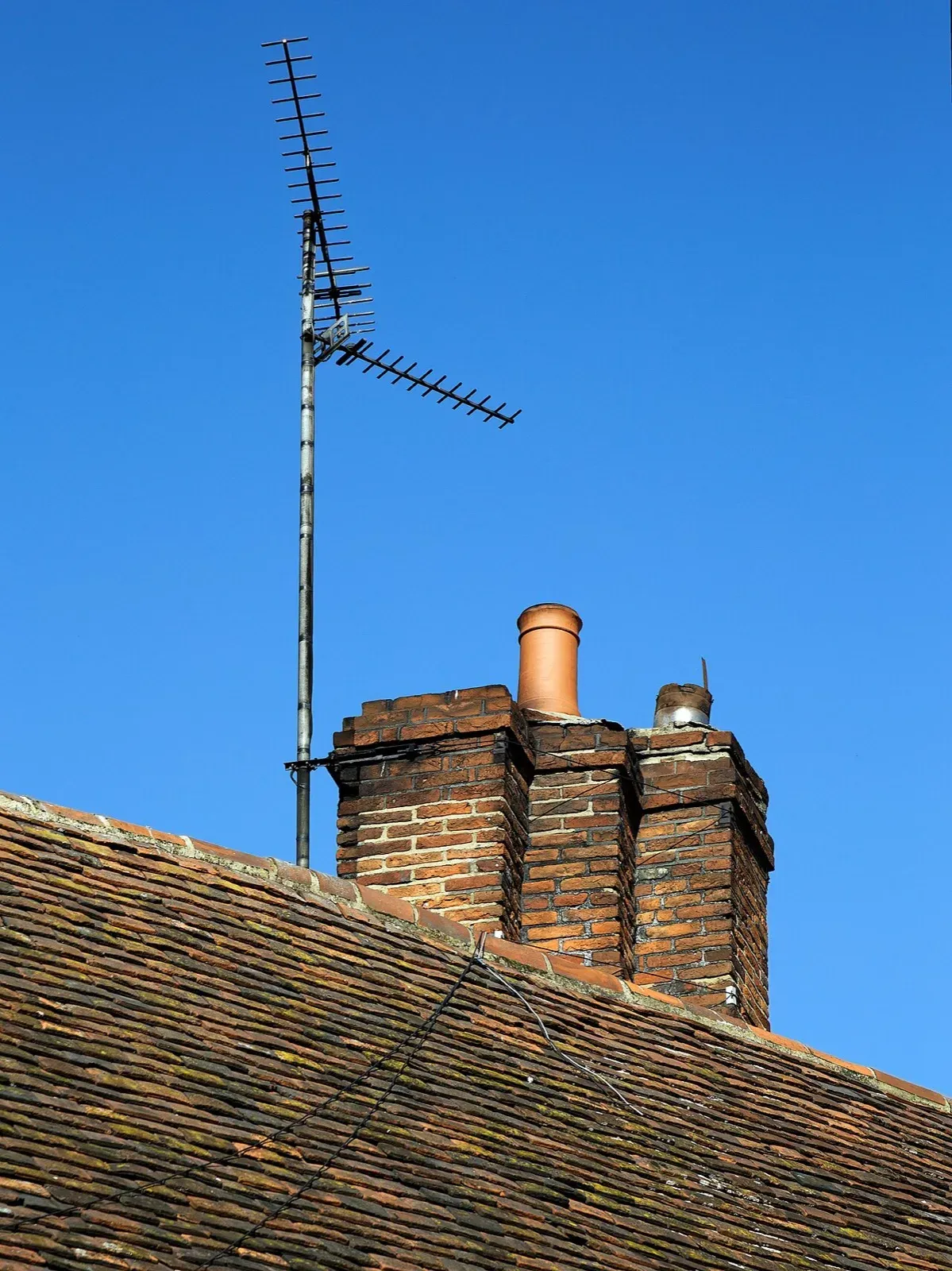
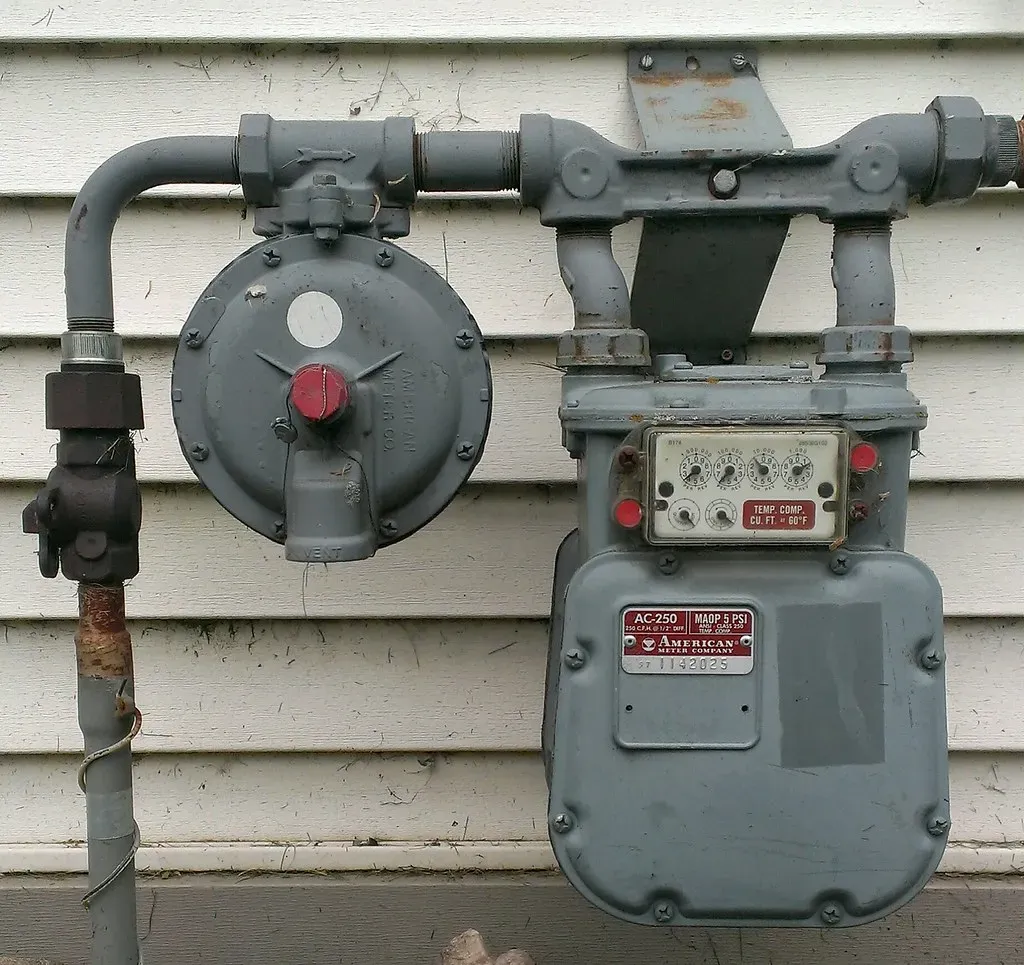
The Lightning Protection Institute lists the paths lightning takes into a home: direct strikes to the roof, projections like antennas and satellite dishes, chimneys and dormers, power and phone lines, nearby trees, and metallic piping including CSST gas piping. It also passes on a fire marshal’s advice to check the attic and basement after a suspected strike even with no smoke or alarm. A residential system with proper bonding addresses these paths.
What a residential system includes
A real system has five parts, per the Lightning Protection Institute:
- Air terminals on ridges, chimneys and dormers, at least 10 in. above what they protect and no more than 20 ft apart along ridges (NFPA 780, 2023).
- Conductors connecting them, with at least two paths down.
- Grounding electrodes at the base of each down conductor.
- Bonding to the electrical service ground, gas and water piping, and metal on the roof.
- Surge protection at the electrical service and on phone and data lines.
The National Weather Service says a complete system needs all of these, and that the components must be properly bonded to reduce the chance of side flashes. A single rod on the chimney isn’t a system. Our article on home lightning protection systems goes into more detail.
What it costs and what it saves
The Lightning Protection Institute says systems generally cost less than 1% of a structure’s value, with the price driven by size, location, construction, roof type and grounding conditions. For the other side of the ledger, the Insurance Information Institute reports that the average US homeowners lightning claim in 2025 was $26,616. Colorado isn’t among the ten states with the most claims, but a single attic fire on a mountain home far from a hydrant can cost far more than the average.
Homeowner checklist
Before you call anyone:
- Is your house on a ridge, at the edge of open space, or the tallest building nearby?
- Is there rock close to the surface on your lot?
- Does your HOA have rules about rooftop equipment or exterior cables?
- Are you planning a re-roof, solar or an addition in the next few years? Coordinate them.
- Do you already have an older system? Get it inspected; re-roofing often cuts or removes cables.
- Do you have surge protection at the electrical panel?
When you get quotes, ask which standard the system will follow (NFPA 780, UL 96A or LPI 175), whether it will be concealed, how many ground electrodes are planned and why, and what certificate or documentation you’ll receive.
Colorado businesses
This article is about homes. For offices, warehouses and other commercial property, see why commercial lightning protection matters for Colorado businesses.
Talk to Site Safe Lightning Protection
Site Safe Lightning Protection works on homes, and Colorado is among the areas listed on our site. If you have an exposed lot, an older system you’re unsure about, or a build or re-roof coming up, contact us to talk through your house and confirm service for your area. See our residential lightning protection services or reach out here.
Talk to Site Safe Lightning Protection about your property.
Frequently asked questions
Does Colorado get a lot of lightning?
About 500,000 cloud-to-ground flashes a year, according to NWS Pueblo. Colorado ranked 19th for total flashes and 32nd for flash density from 2009 to 2018, but 3rd for lightning deaths from 2006 to 2024.
When is lightning season in Colorado?
Summer, with the peak in July and August during the North American Monsoon. KUNC, citing the NWS, reported about 5,350 lightning flashes on any given July day.
Do Colorado homes need lightning rods?
For most homeowners it's a risk decision rather than a code requirement, but rules vary, so check with your local building department and HOA. Protection makes the most sense for exposed houses on ridges, in the foothills or next to open space.
Can a lightning protection system be hidden for an HOA?
Often, yes. NFPA 780 includes requirements for concealed systems, so conductors can run inside the attic and walls. Air terminals stay on the roof but can be low-profile.
How much does home lightning protection cost in Colorado?
It depends on roof size and shape, chimneys, and soil. The Lightning Protection Institute says systems generally run less than 1% of a structure's value. Rocky lots can add grounding cost.
Sources
- NWS Pueblo: Colorado Lightning Ranking
- KUNC: At the peak of hiking season, Colorado sees 5,350 lightning strikes a day (June 24, 2025)
- Colorado Climate Center (CSU): The North American Monsoon
- Insurance Information Institute: Facts + Statistics: Lightning
- NFPA 780, Standard for the Installation of Lightning Protection Systems, 2023 edition (NFPA document page, free read-only access)
- Lightning Protection Institute: FAQ
- Lightning Protection Institute: What homeowners need to know about lightning and its fire risk
- National Weather Service: Lightning Rods and Lightning Protection Systems
- East Coast Lightning Equipment: Lightning Protection System Elements (materials and appearance)
Image credits
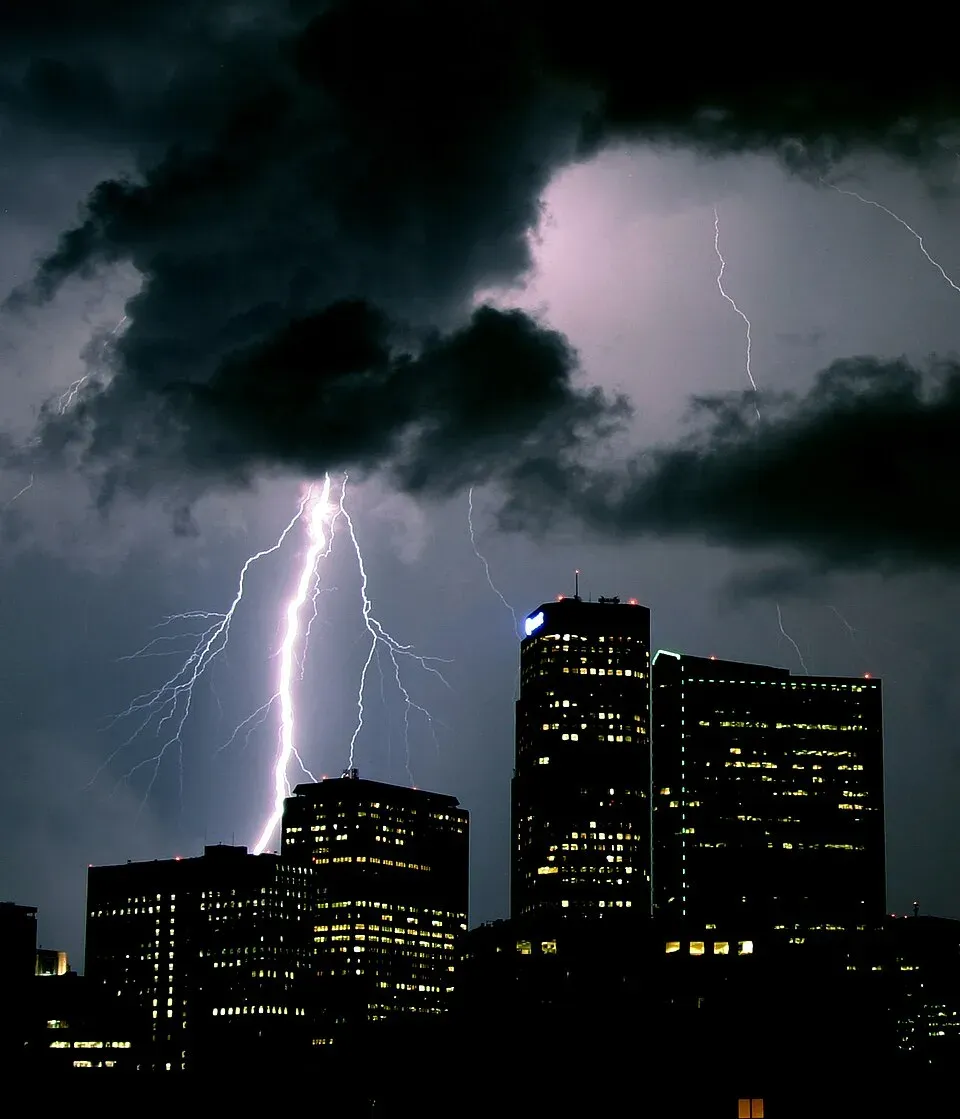
- Lightning bolt striking west of downtown Denver, Colorado at night. Photo: refractor / Wikimedia Commons (via Flickr) (source), CC BY 2.0, resized.
- Cloud-to-ground lightning beside a shelf cloud over open plains east of Denver. Photo: Stefan Klein / Wikimedia Commons (source), CC BY-SA 4.0, resized.