
Our Articles, page 2
-
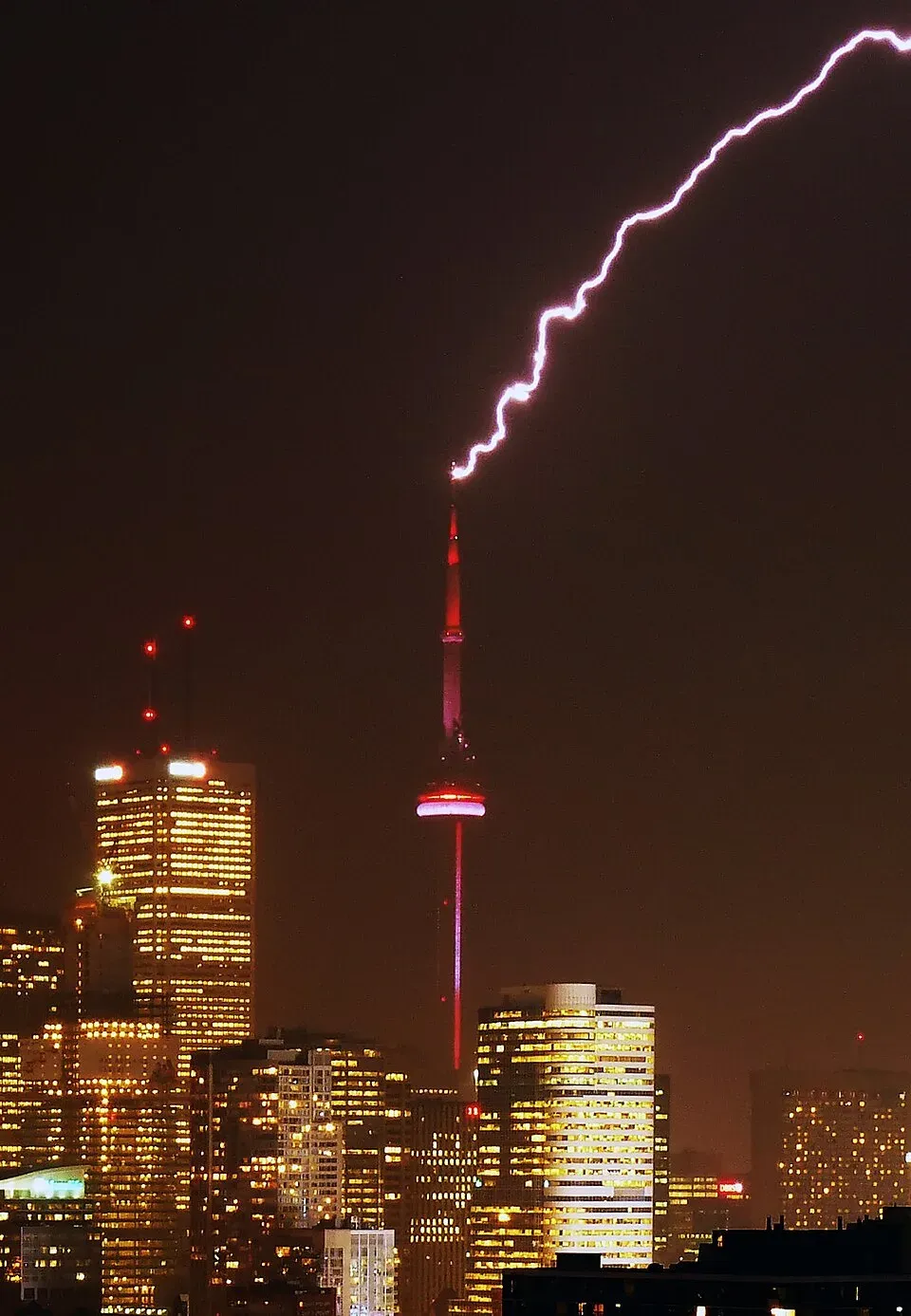
The Rolling Sphere Method: How Lightning Protection Zones Are Mapped
The rolling sphere method imagines a 150 ft ball rolled over a building: anywhere it touches needs protection. Here's the NFPA 780 rule, the formula, two worked examples, and why it changes how many air terminals end up in a quote.
-
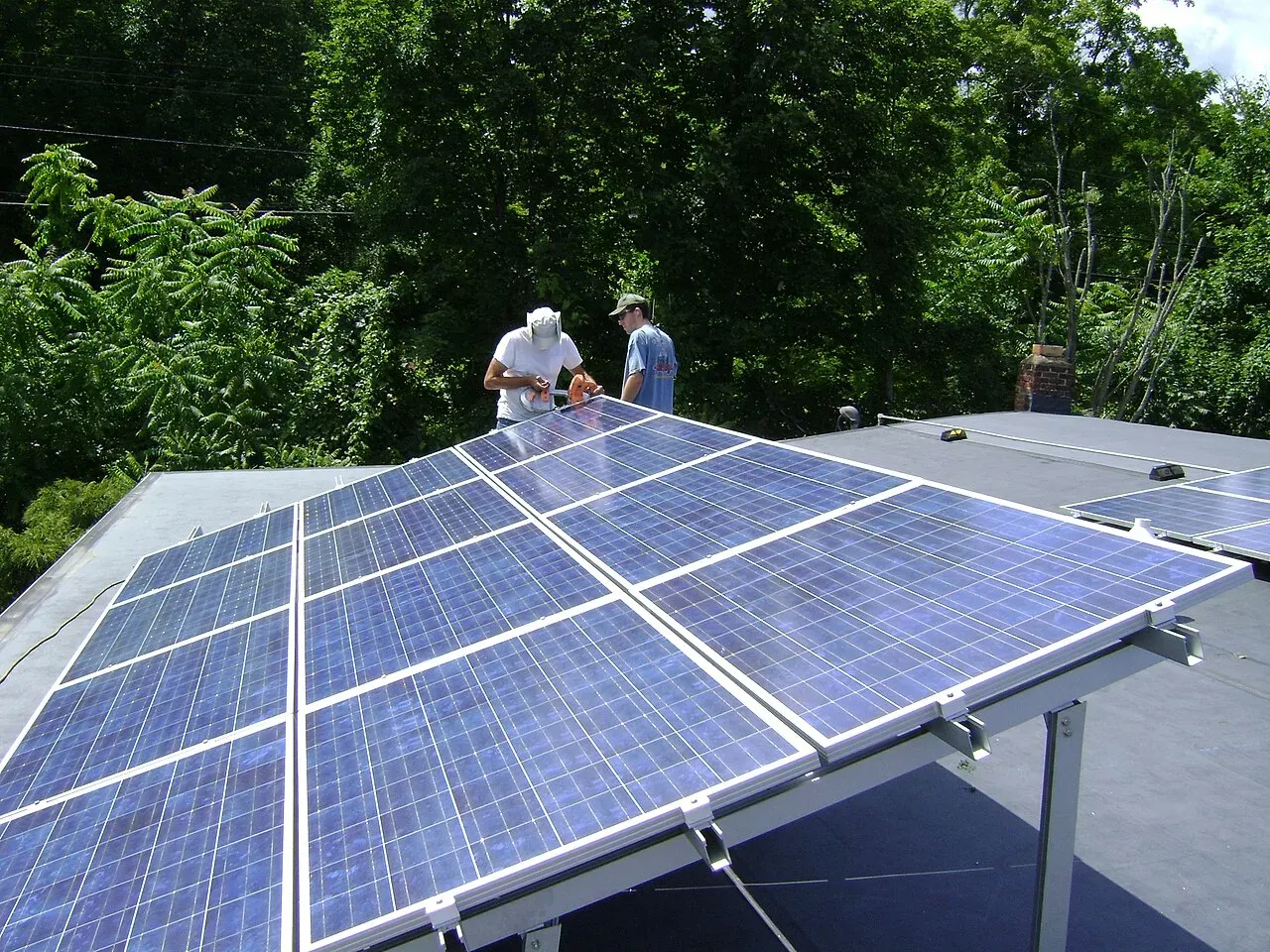
Do Solar Panels Attract Lightning? Protecting Rooftop and Ground-Mount Arrays
Solar panels don't draw lightning to a roof, but a strike on or near an array can still damage it and the building. Here's what NFPA 780 covers for solar arrays and what to do when panels go on a roof that already has a lightning protection system.
-
Lightning Protection Certification: What LPI, UL and LPI-IP Credentials Actually Mean
Two kinds of lightning protection certification exist: one for the people who install systems and one for the finished system. Here is how LPI, UL and LPI-IP credentials differ and how to check them.
-
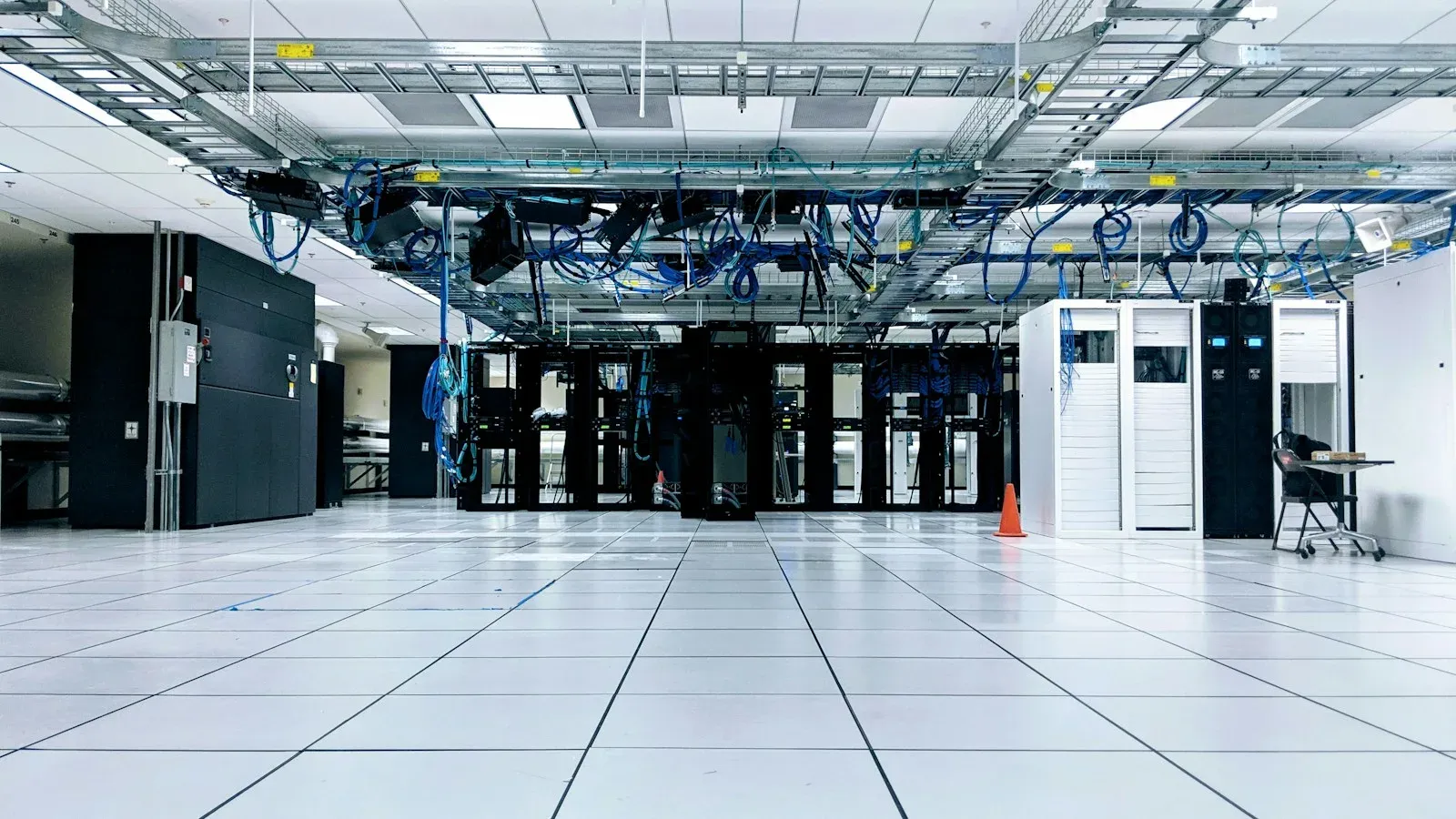
Lightning Protection for Data Centers: Direct Strikes, Grounding and Uptime
A data center needs the full lightning protection system: air terminals, conductors, a low-resistance grounding system, bonding of every metal system, and surge protection at every entrance. Here's how the layers fit and what to document.
-
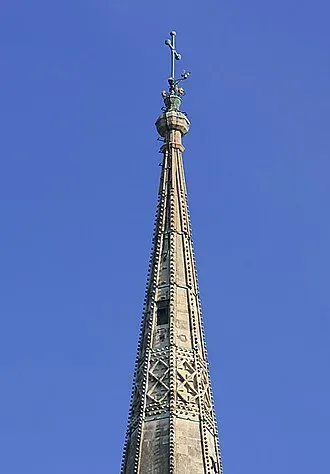
Church Struck by Lightning: Why Steeples Get Hit and Why Partial Systems Fail
Churches have tall steeples, big wood-framed attics and often no sprinklers. NFPA fire data shows lightning fires at places of worship do outsized damage. Here is what a complete system looks like and a checklist for trustees.
-
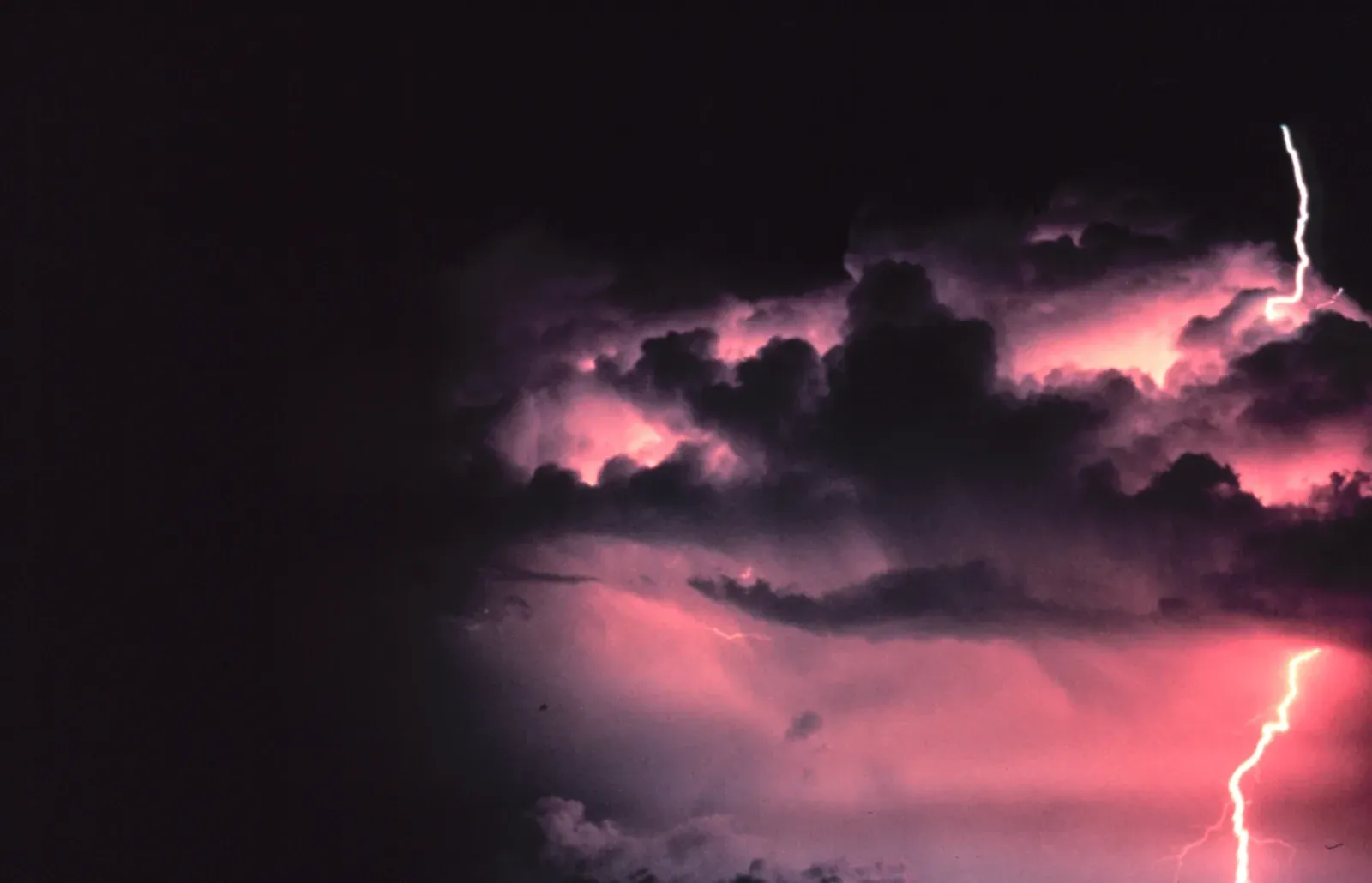
Oklahoma Lightning: Storm Season, Strike Density and Protecting Property
Oklahoma ranked second in the nation for lightning density in 2025, and a town in the state was named the year's lightning capital. Here's the climatology, the storm season, and what it means for homes, ranch buildings and oil and gas sites.
-
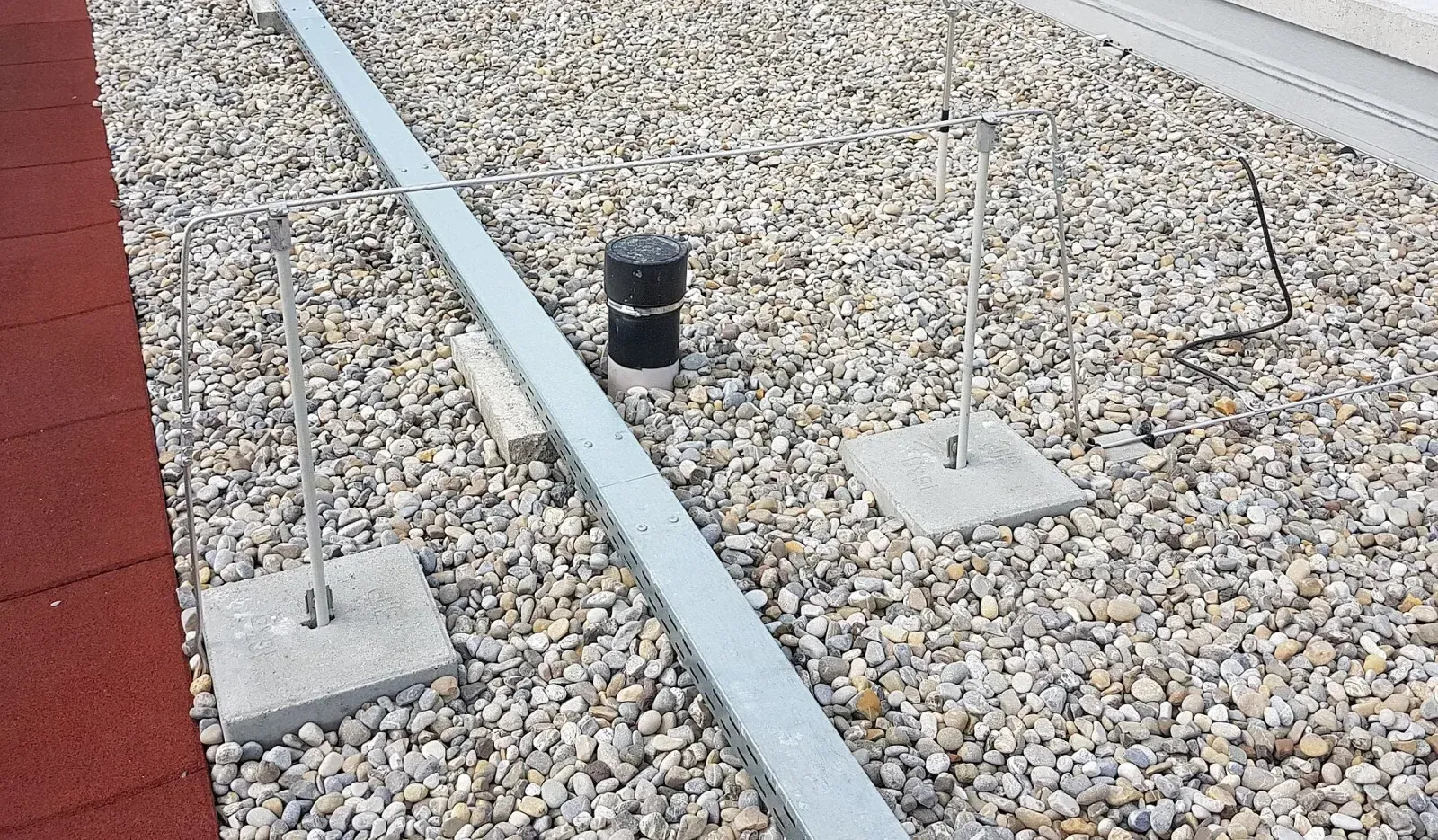
UL 96A Explained: Master Label, LPI-175 and What an Inspection Certifies
What UL 96A is, what a UL Master Label Certificate and Letter of Findings actually prove, how LPI-IP certificates compare, how to verify one, and when to ask for it.
-
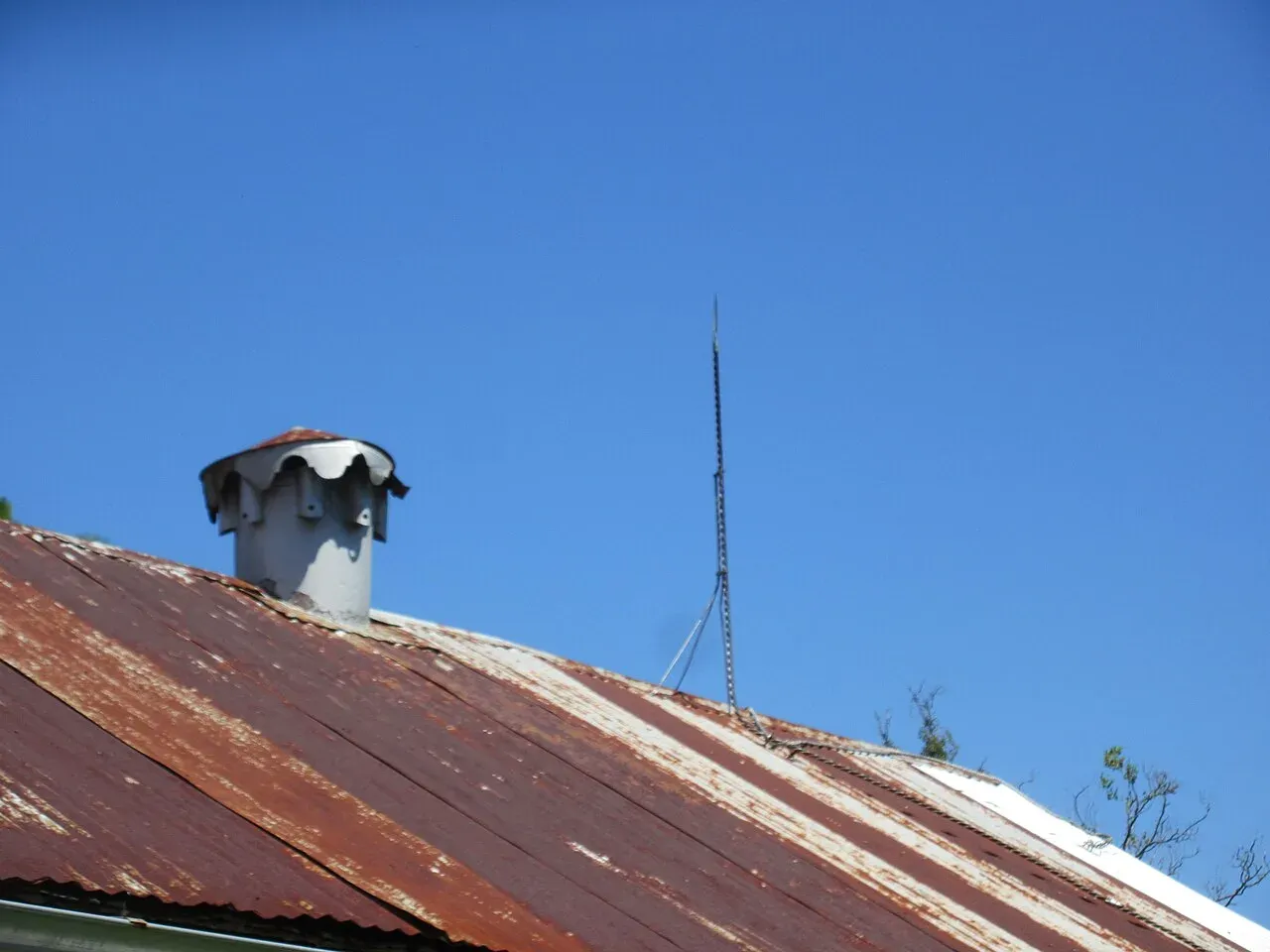
Lightning Protection System Components: The Five Parts Every System Needs
Every lightning protection system is built from the same five parts. Here's what each one does, the NFPA 780 rules that govern it, how it usually fails, and how residential and commercial systems differ.
-
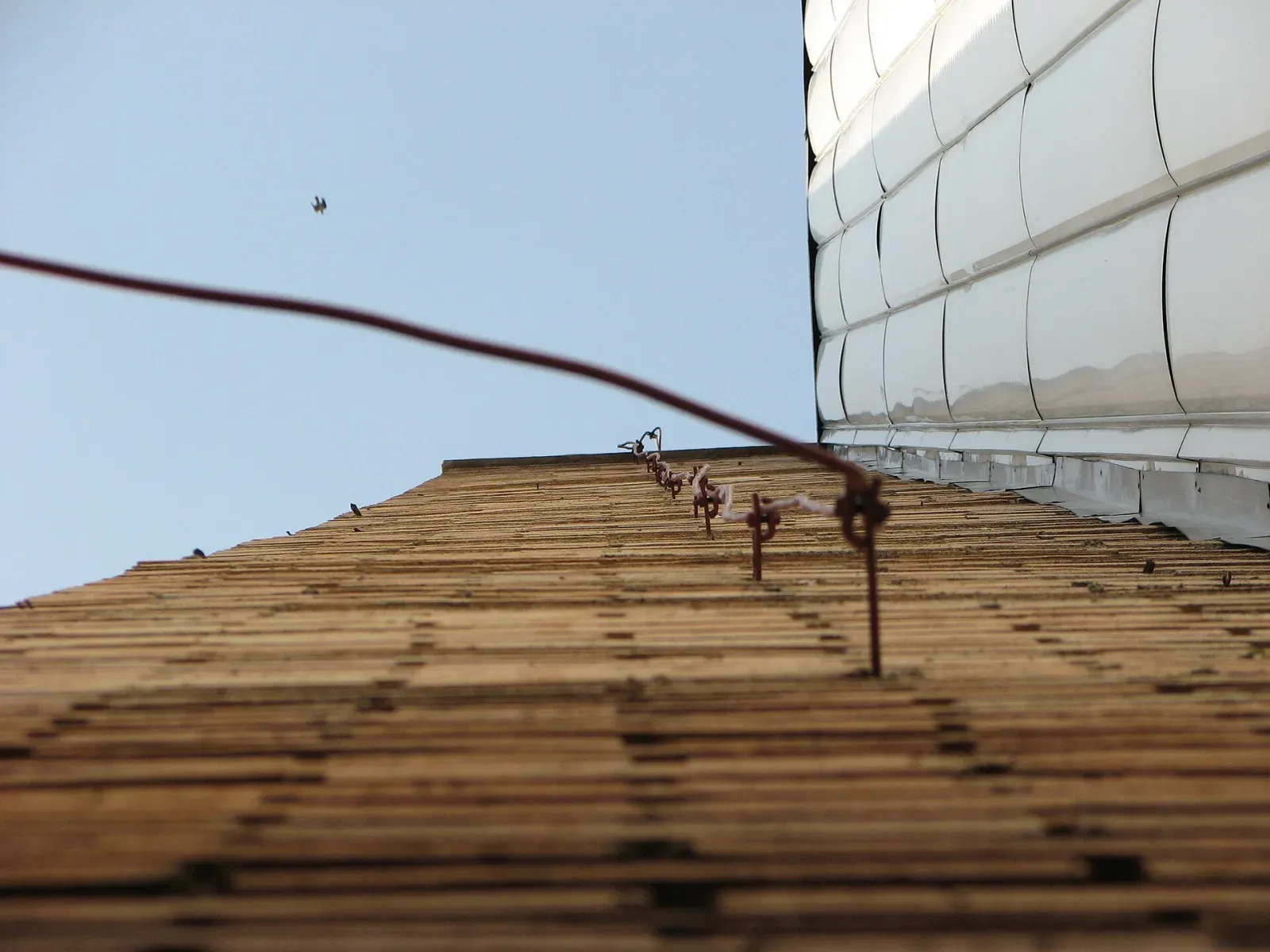
NFPA 780 Explained for Building Owners
A chapter-by-chapter map of NFPA 780, how it fits with UL 96A and LPI-175, when it becomes mandatory, and what to ask a contractor who says their work meets it.
-
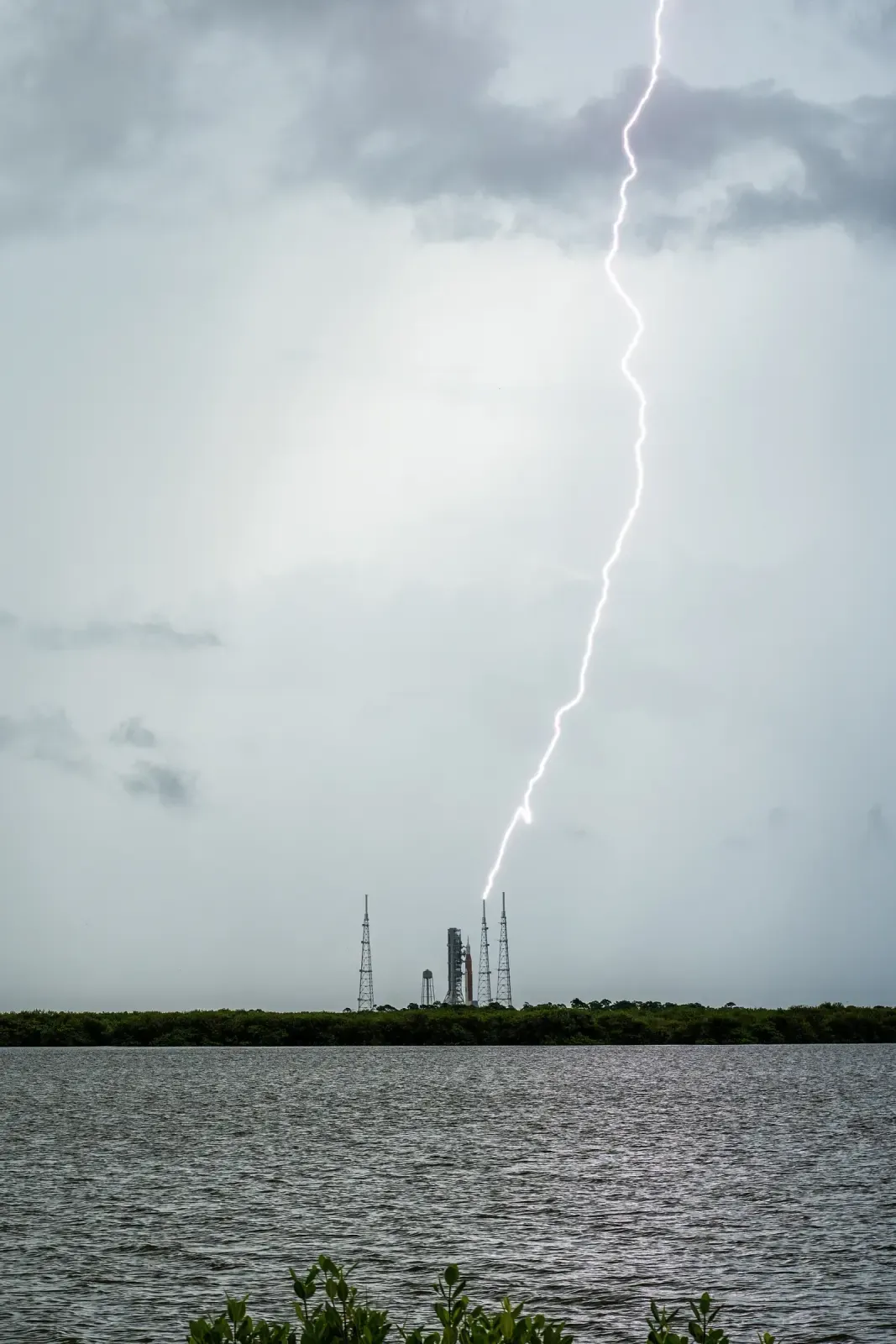
The US Lightning Capital Is Now Oklahoma, Depending on Who's Counting
AEM's 2025 report crowned Oklahoma. Vaisala's still has Florida on top for density, with Shady Grove, Oklahoma as the single hottest spot. Here's what both reports say, plus Texas and Colorado.
-
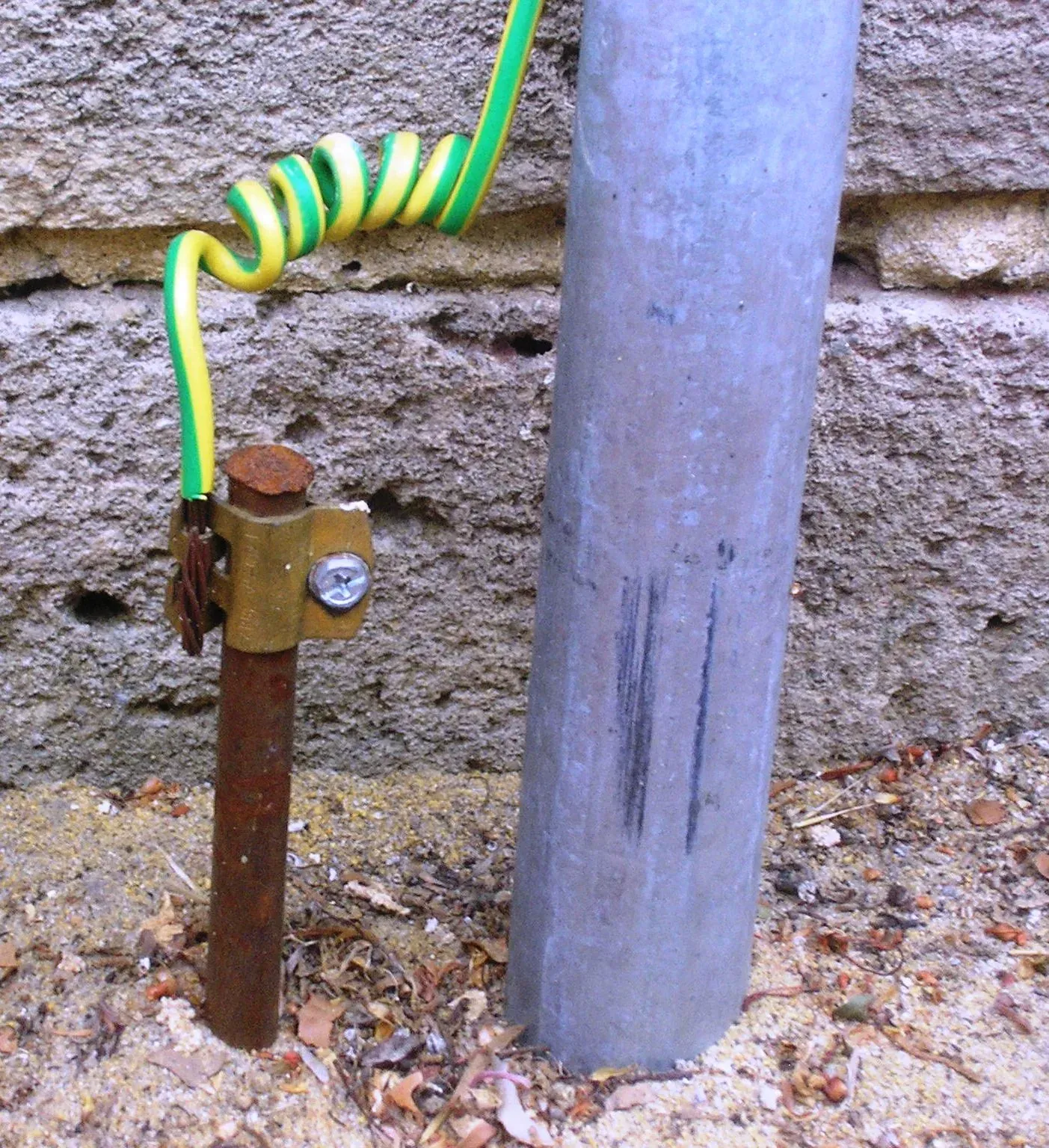
Grounding vs Bonding: What Each One Does in a Lightning Protection System
Grounding moves lightning current into the earth. Bonding keeps every metal system in the building at the same voltage while that happens. Here's how the two work together, and what goes wrong when bonding is skipped.
-
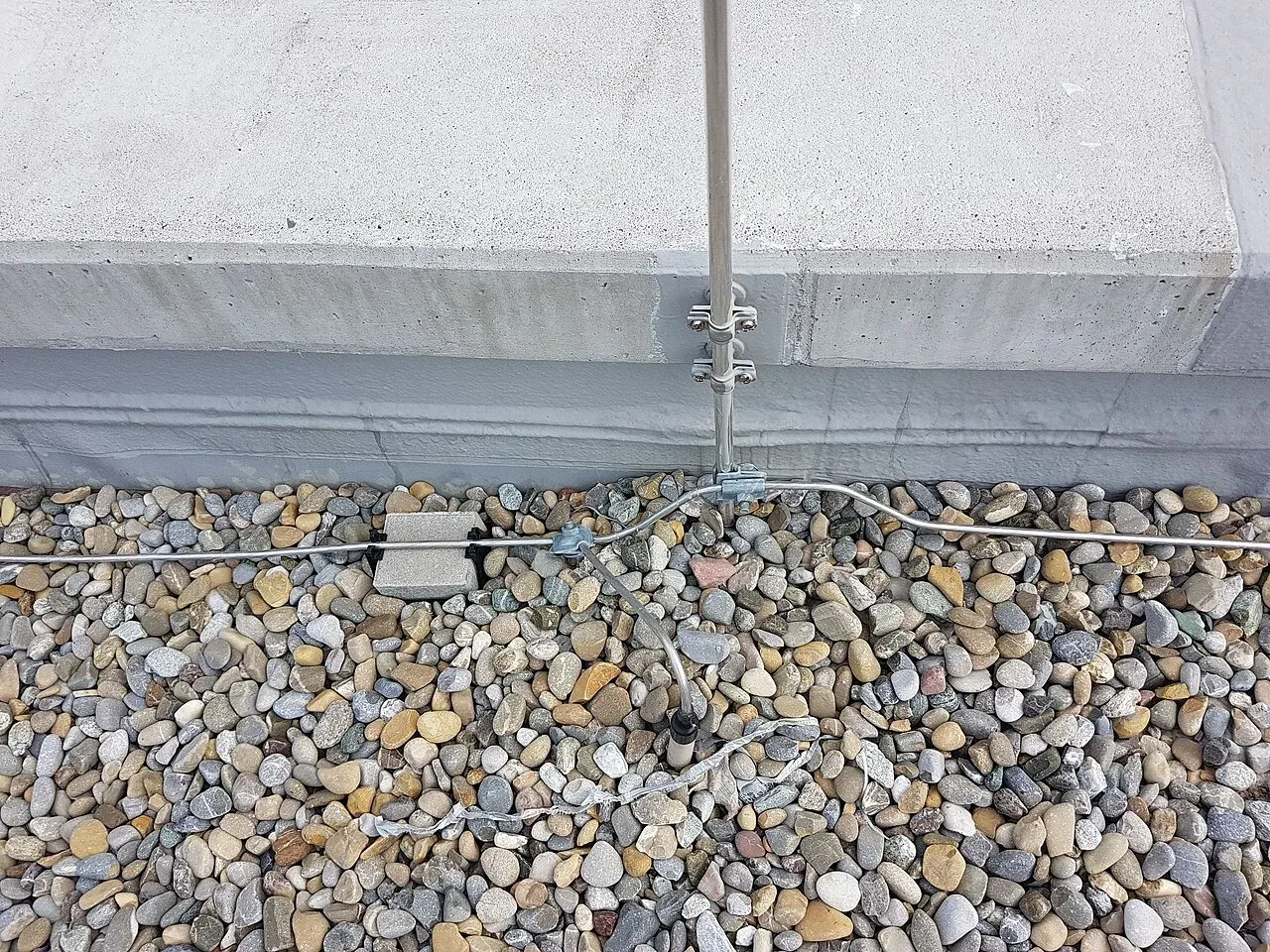
How a Commercial Lightning Protection Design Comes Together, Step by Step
A lightning protection design follows a predictable path from site survey to certified system. Here is what happens at each step, what you should receive, and why early streamer emission devices are a red flag.