Codes & Standards articles
-
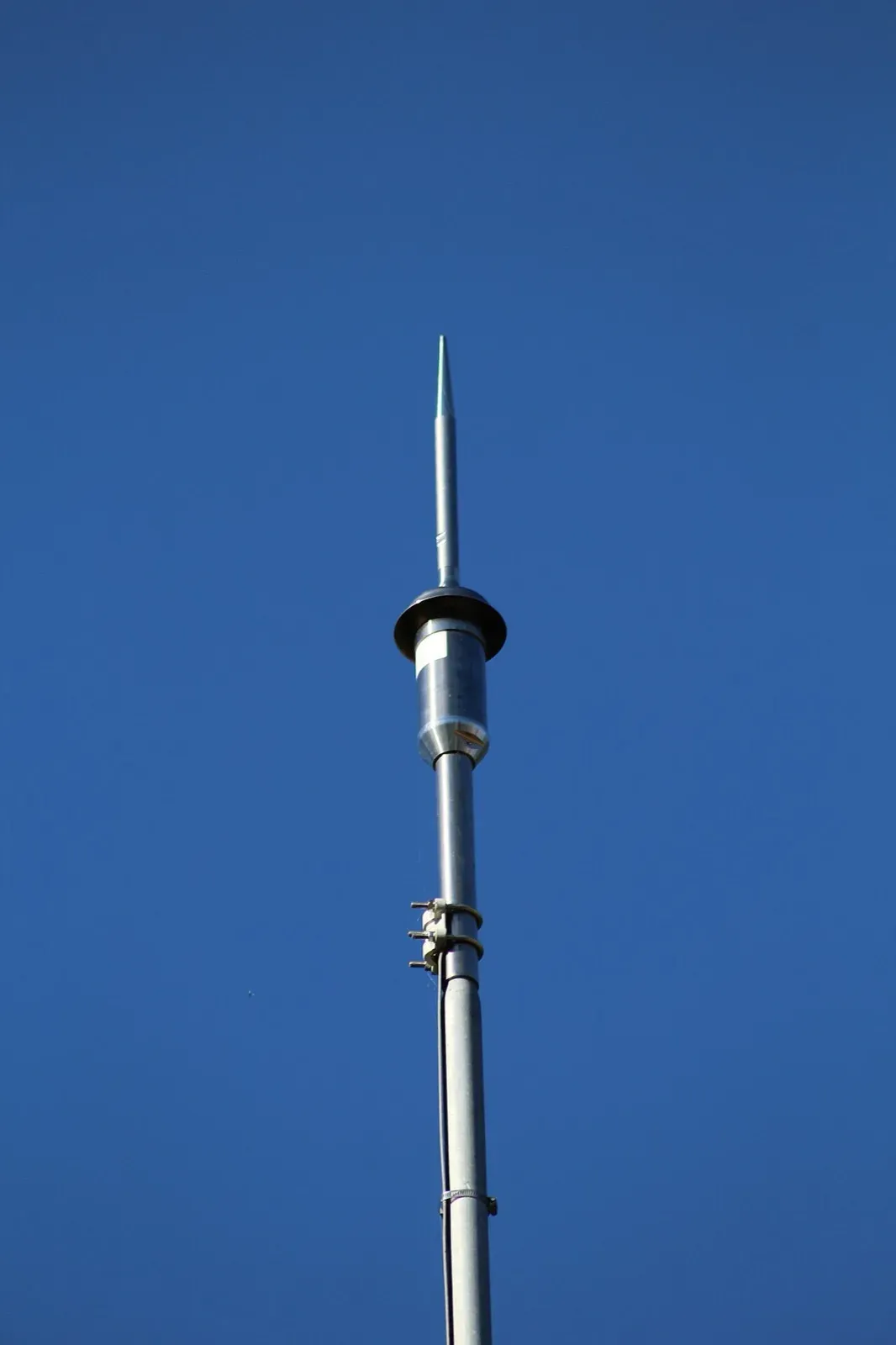
ESE Lightning Protection: Why US Standards Don't Accept Early Streamer Emission Rods
Early streamer emission (ESE) rods are sold as one terminal that protects a whole building or yard. US standards bodies, NIST reviewers, the Defense Department and a federal court have all looked at that claim. Here's what they found and what to ask a vendor.
-
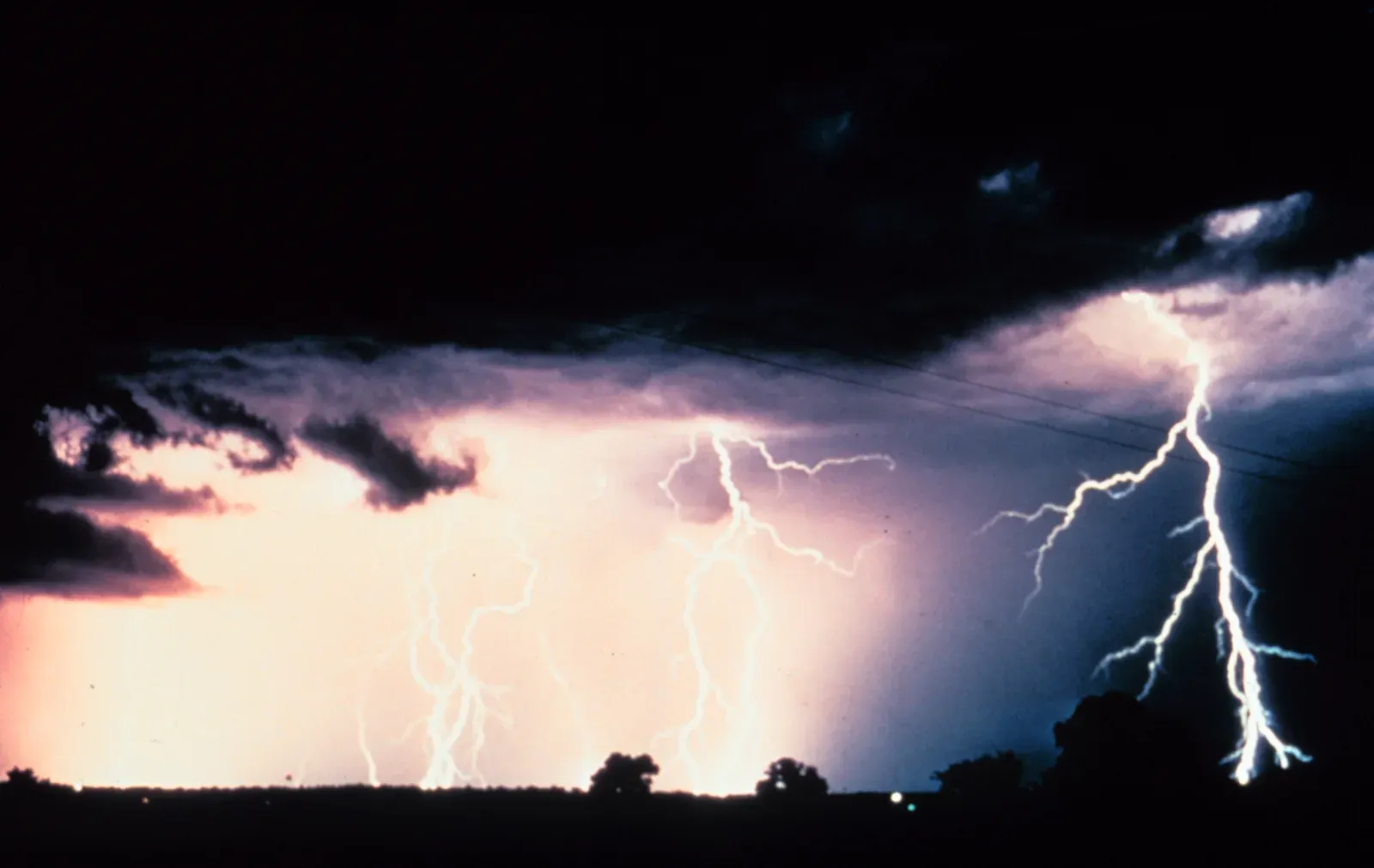
Is Lightning Protection Required by Code? Where It's Mandatory and Where It's Your Call
For most homes and ordinary commercial buildings, lightning protection is a choice. It becomes a requirement when a jurisdiction adopts NFPA 780, when a federal or owner standard calls for it, or when an insurer or project specification says so.
-
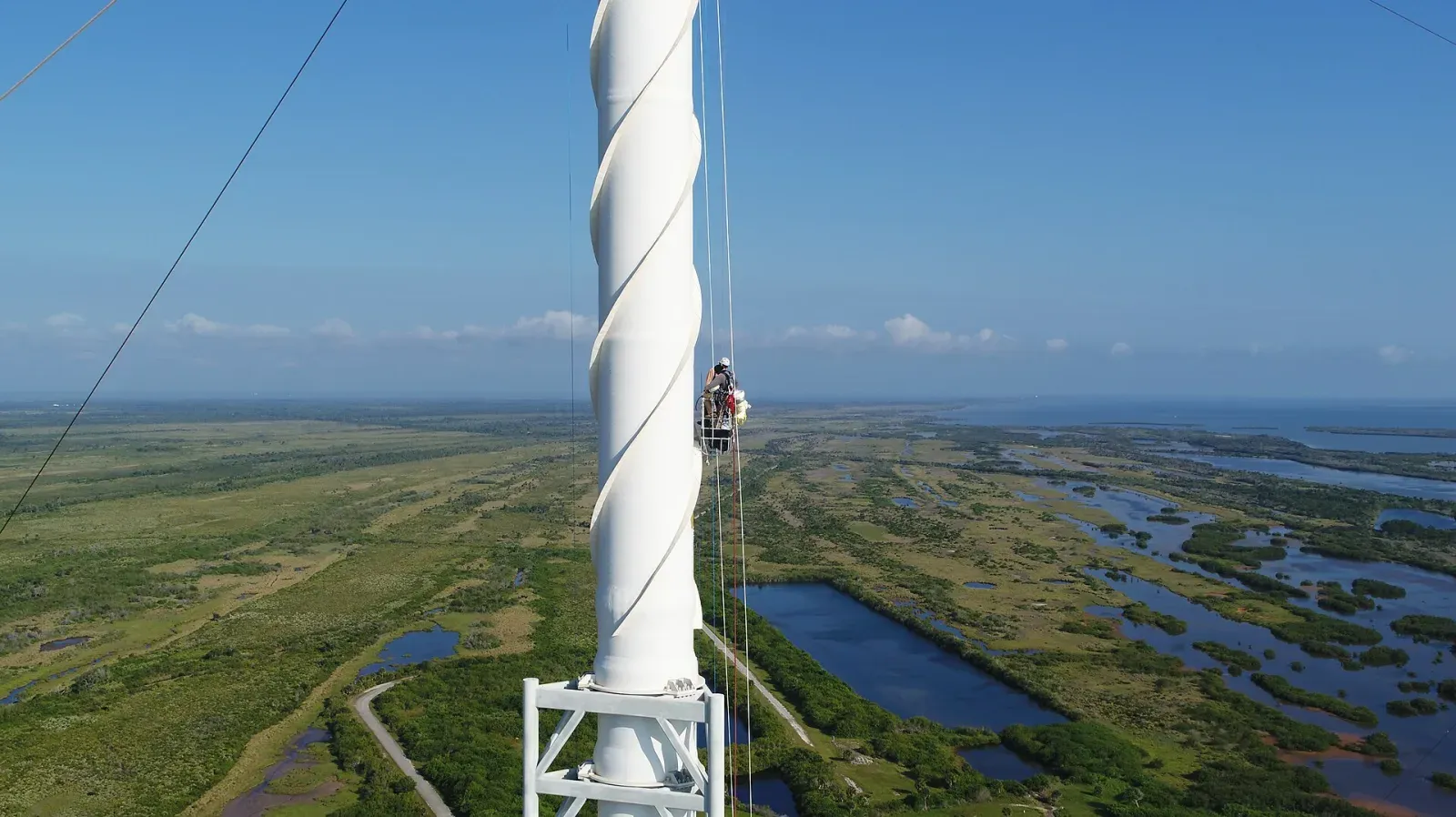
Lightning Protection Certification: What LPI, UL and LPI-IP Credentials Actually Mean
Two kinds of lightning protection certification exist: one for the people who install systems and one for the finished system. Here is how LPI, UL and LPI-IP credentials differ and how to check them.
-
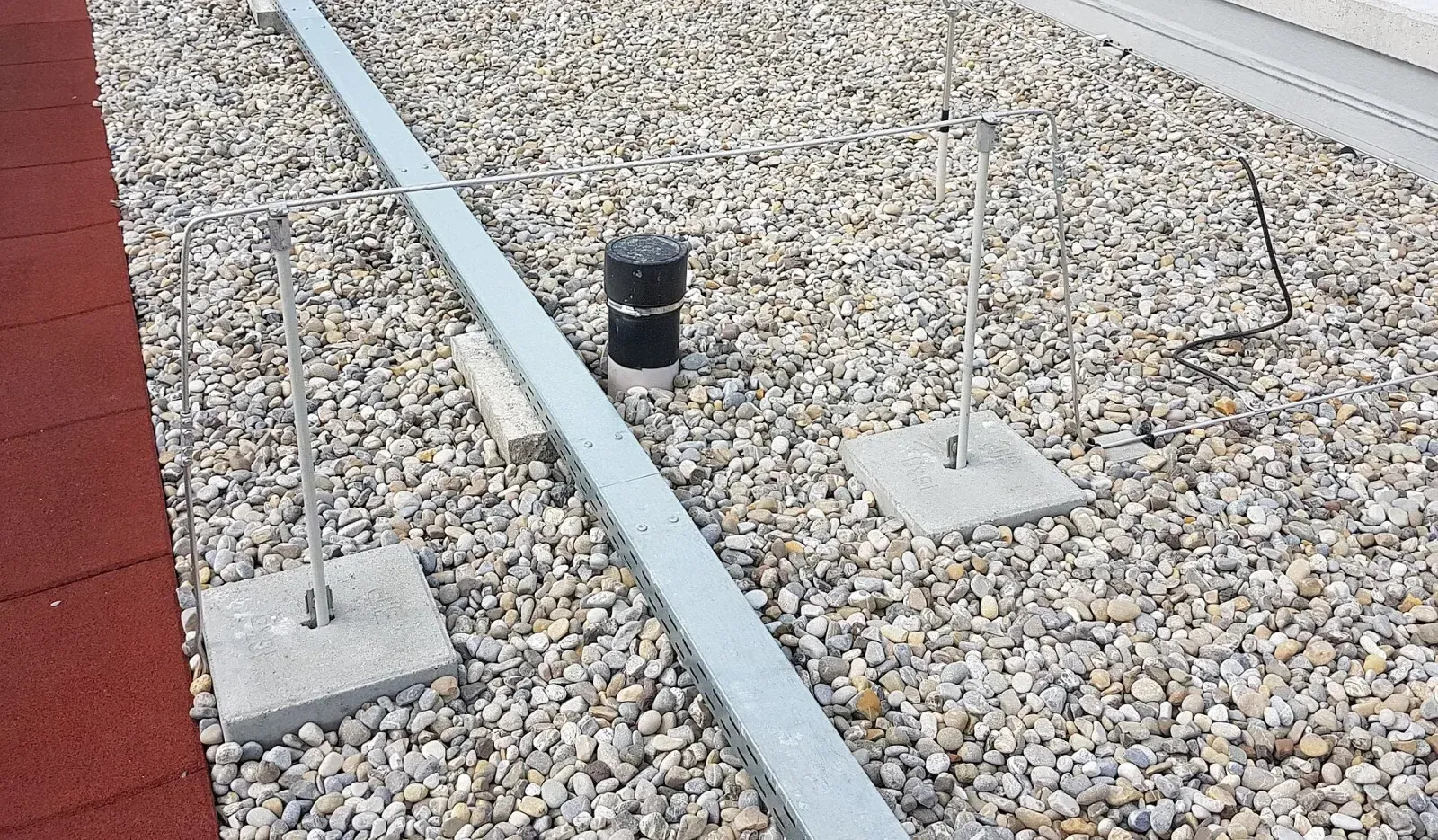
UL 96A Explained: Master Label, LPI-175 and What an Inspection Certifies
What UL 96A is, what a UL Master Label Certificate and Letter of Findings actually prove, how LPI-IP certificates compare, how to verify one, and when to ask for it.
-
NFPA 780 Explained for Building Owners
A chapter-by-chapter map of NFPA 780, how it fits with UL 96A and LPI-175, when it becomes mandatory, and what to ask a contractor who says their work meets it.