
Our Articles
Site Safe Lightning Protection provides valuable insights and educational resources about lightning protection and the importance of installing a reliable lightning protection system for residential, commercial, and industrial properties. Explore expert information on lightning safety, system maintenance, grounding solutions, lightning rod installation, and storm protection strategies designed to help property owners reduce risk and protect valuable structures and equipment.
-
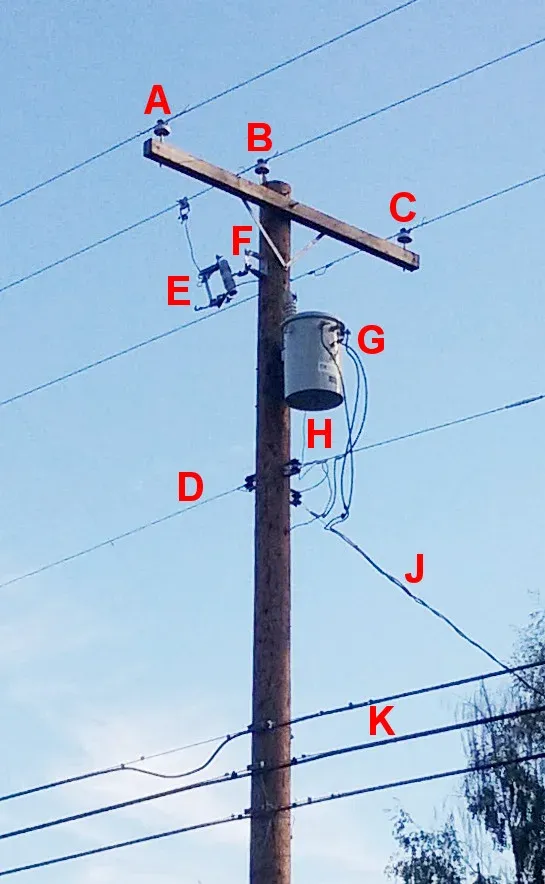
Lightning Arrester vs Lightning Rod: What an Arrester Does and Where It Goes
A lightning arrester protects wiring, not the building. Here's how arresters and SPDs work, where each one goes, what NEC 230.67 and NFPA 780 require, and how to read an SPD label.
-
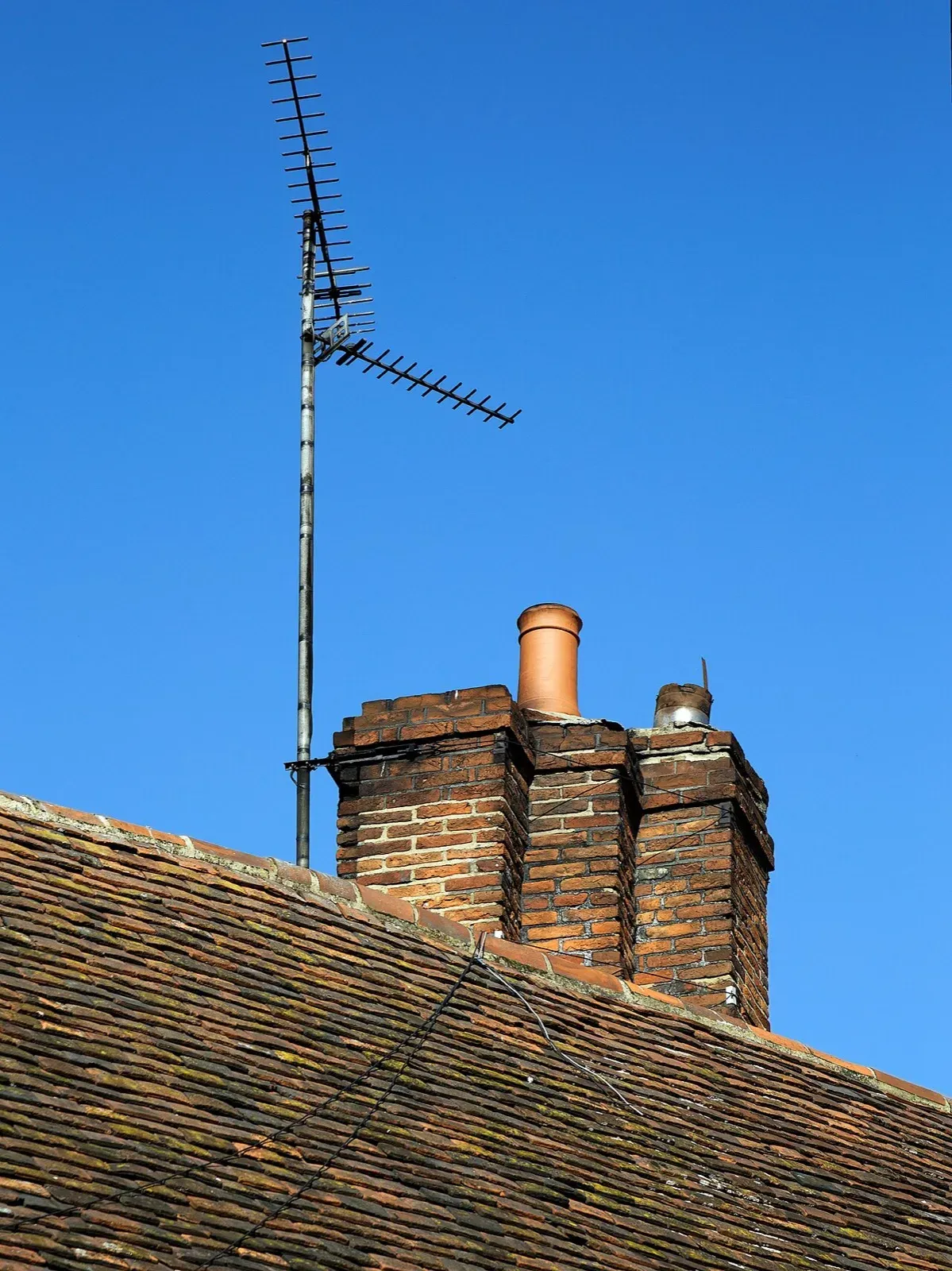
Antenna Lightning Protection: How to Ground a TV Antenna, Dish or Starlink Mast
Outdoor antennas and dishes are often the highest metal on a house, with a cable straight to the TV. Here's what NEC Article 810 requires, how to ground a mast and dish, and how antennas tie into a lightning protection system.
-
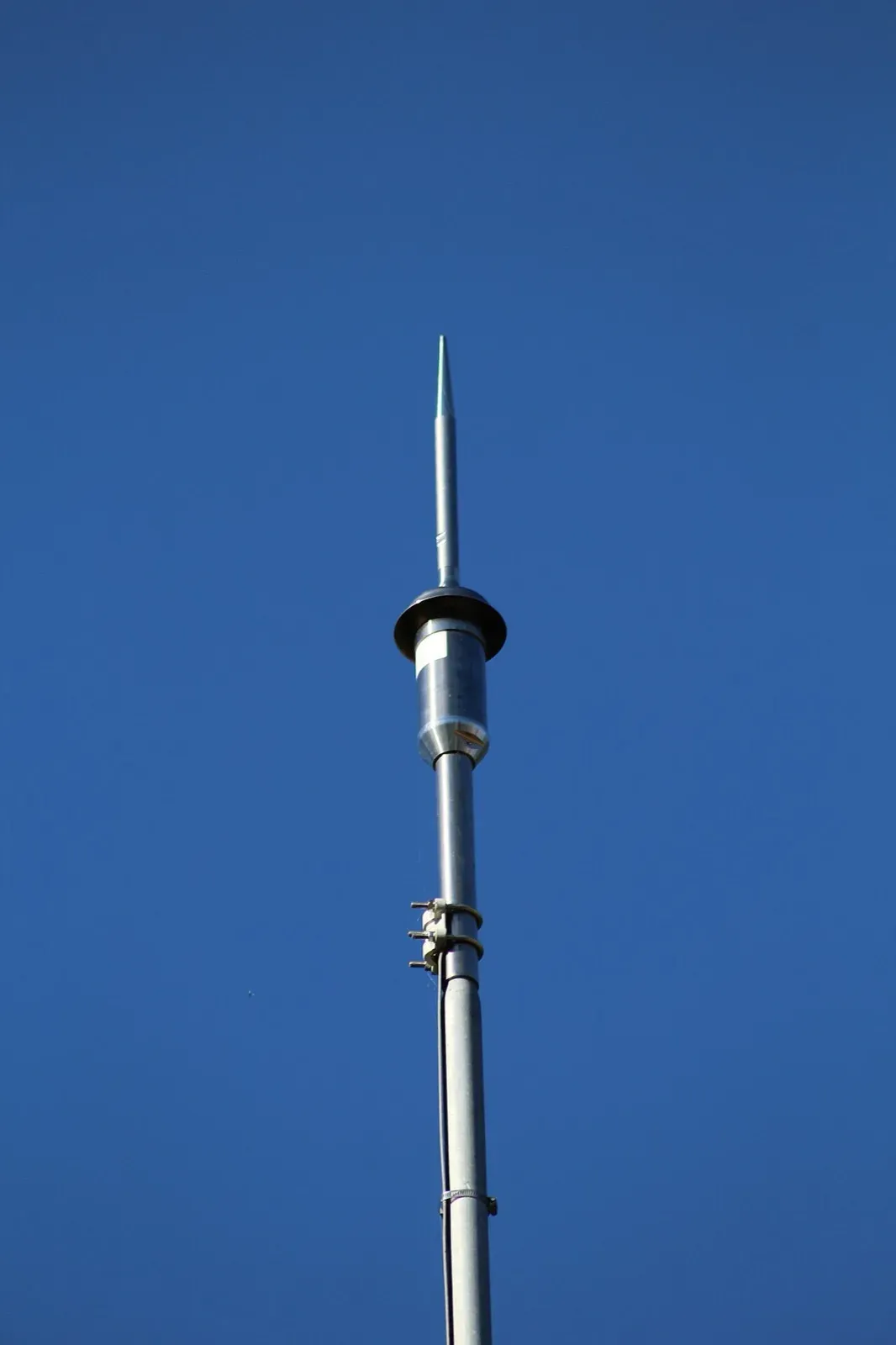
ESE Lightning Protection: Why US Standards Don't Accept Early Streamer Emission Rods
Early streamer emission (ESE) rods are sold as one terminal that protects a whole building or yard. US standards bodies, NIST reviewers, the Defense Department and a federal court have all looked at that claim. Here's what they found and what to ask a vendor.
-
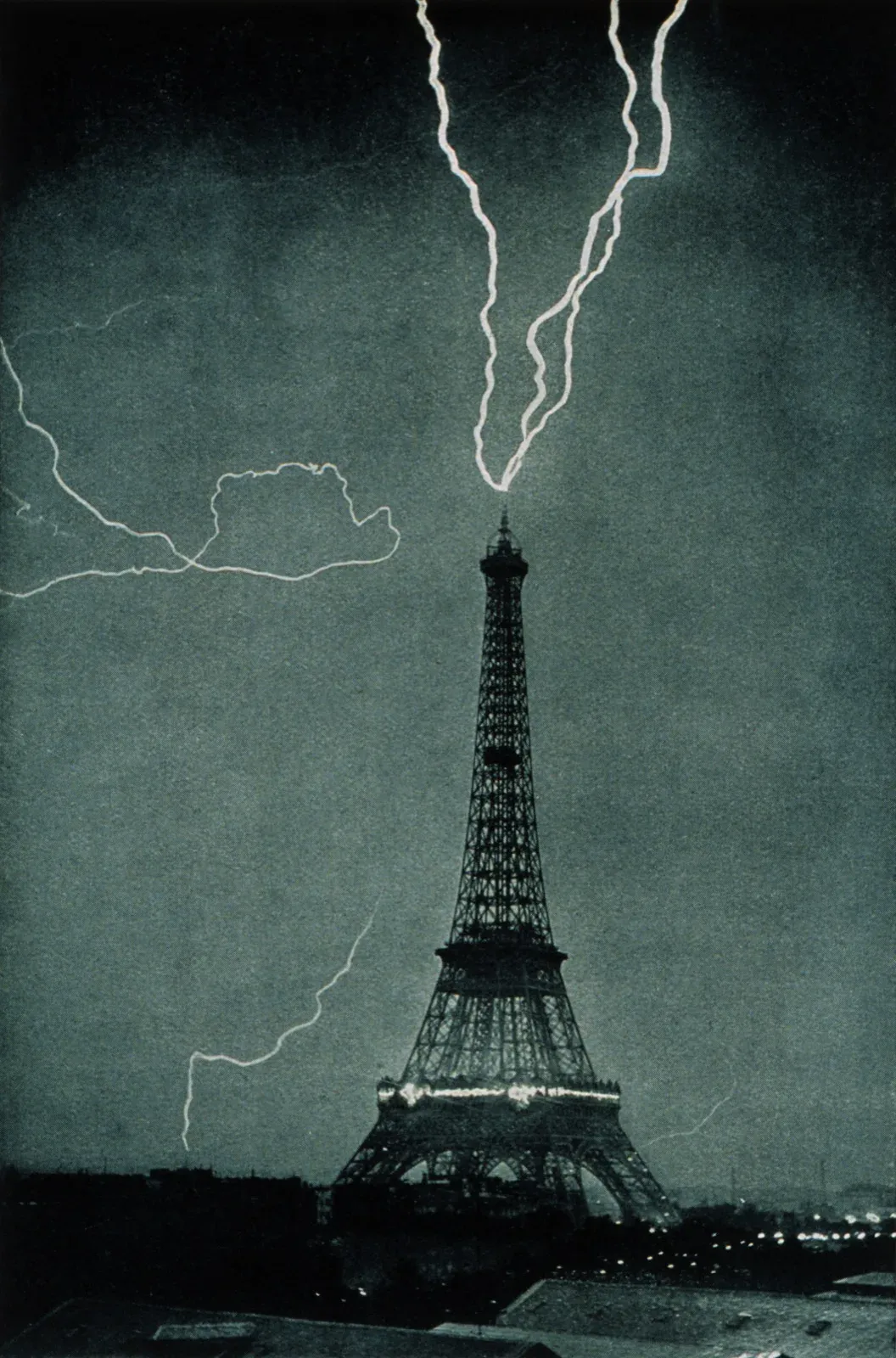
Does Lightning Strike the Same Place Twice? What It Means for Your Building
Lightning hits the same place again and again, and a single flash often touches ground in more than one spot. Here's what the research shows and what it means for a building that has already been struck.
-
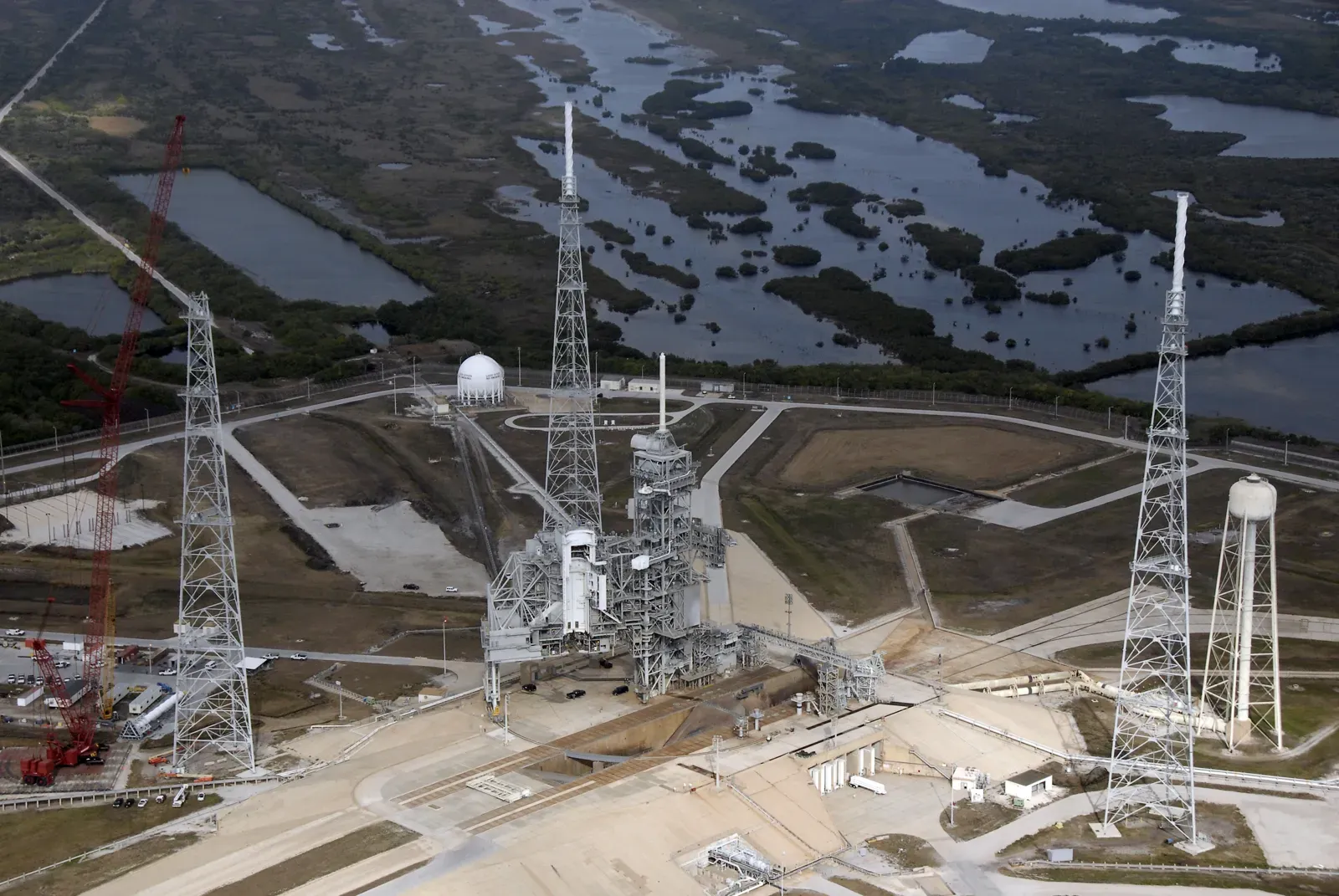
Lightning Mast: When a Freestanding Mast Works Better Than Rods on the Roof
A lightning mast takes the strike beside the structure instead of on it. Here's when masts and catenary wires beat roof-mounted rods, how far they must stand off, what published criteria require, and what to inspect.
-
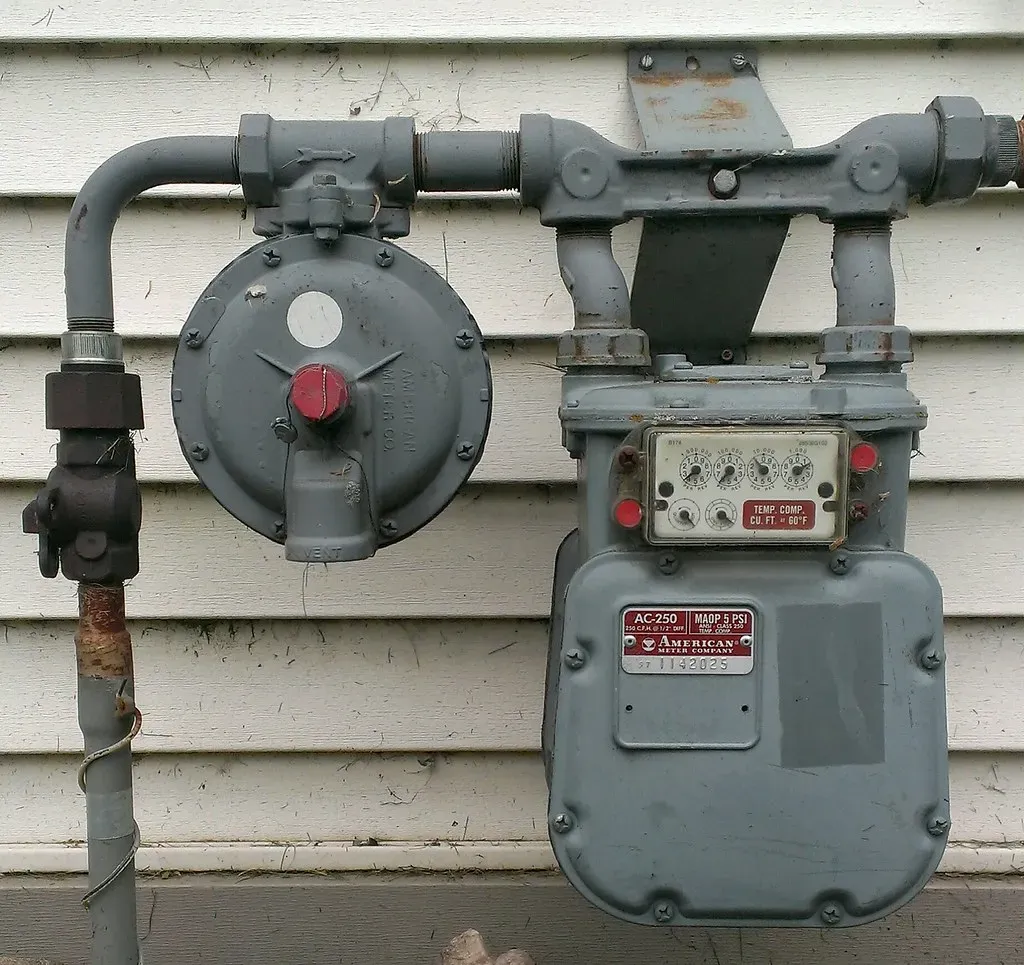
CSST Bonding and Lightning: What the Code Requires and What It Leaves Out
Yellow CSST gas tubing has to be bonded with a 6 AWG copper jumper, but fire officials say bonding alone hasn't stopped lightning fires. Here are the code rules, yellow vs black CSST, and where a lightning protection system fits.
-
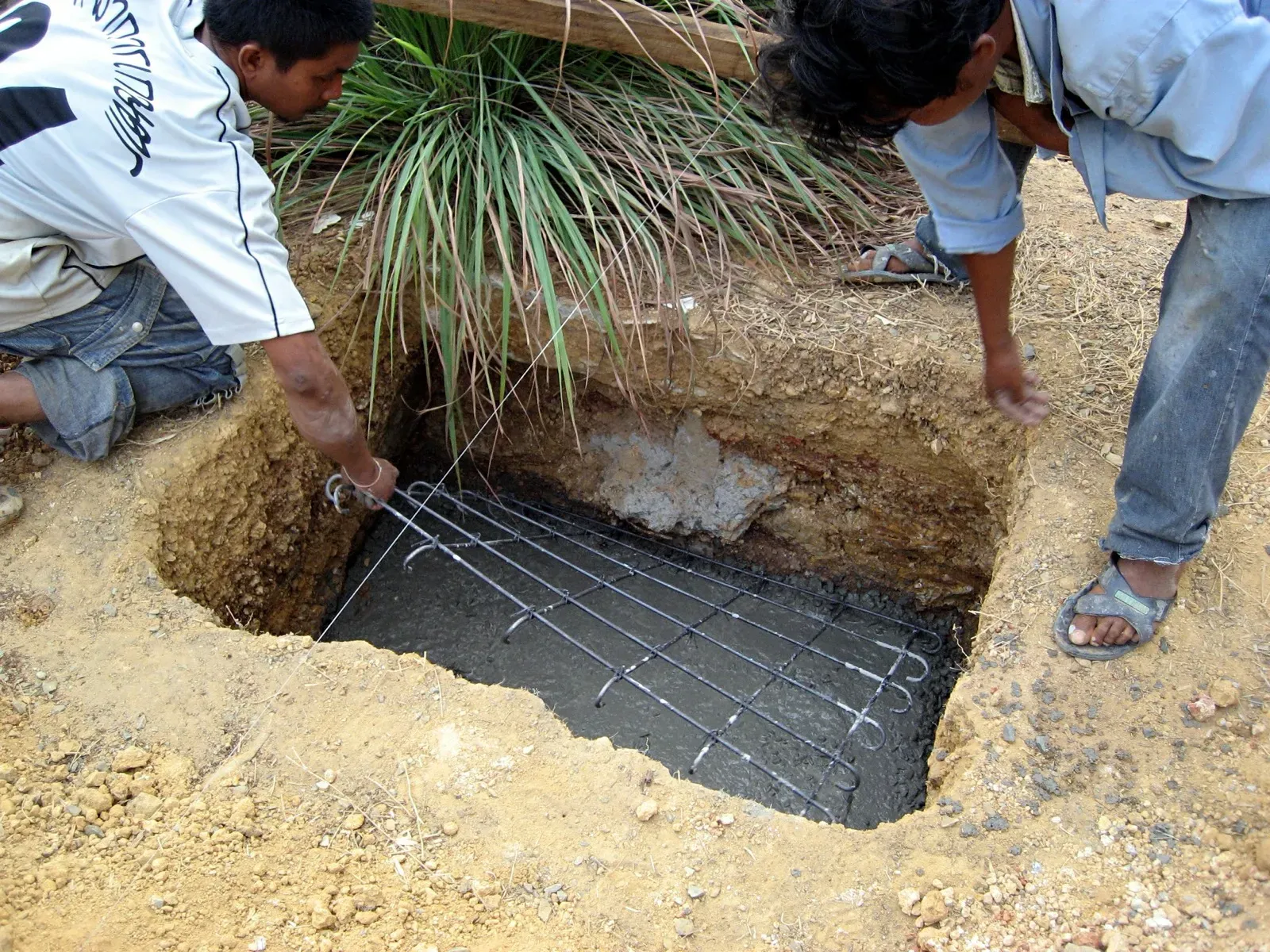
Ufer Ground and Lightning Protection: What a Footing Can Do
A Ufer ground is a grounding electrode cast into a footing. Here is when it counts as a lightning protection electrode, what UL and NFPA 780 require, and what to settle with your builder before the pour.
-
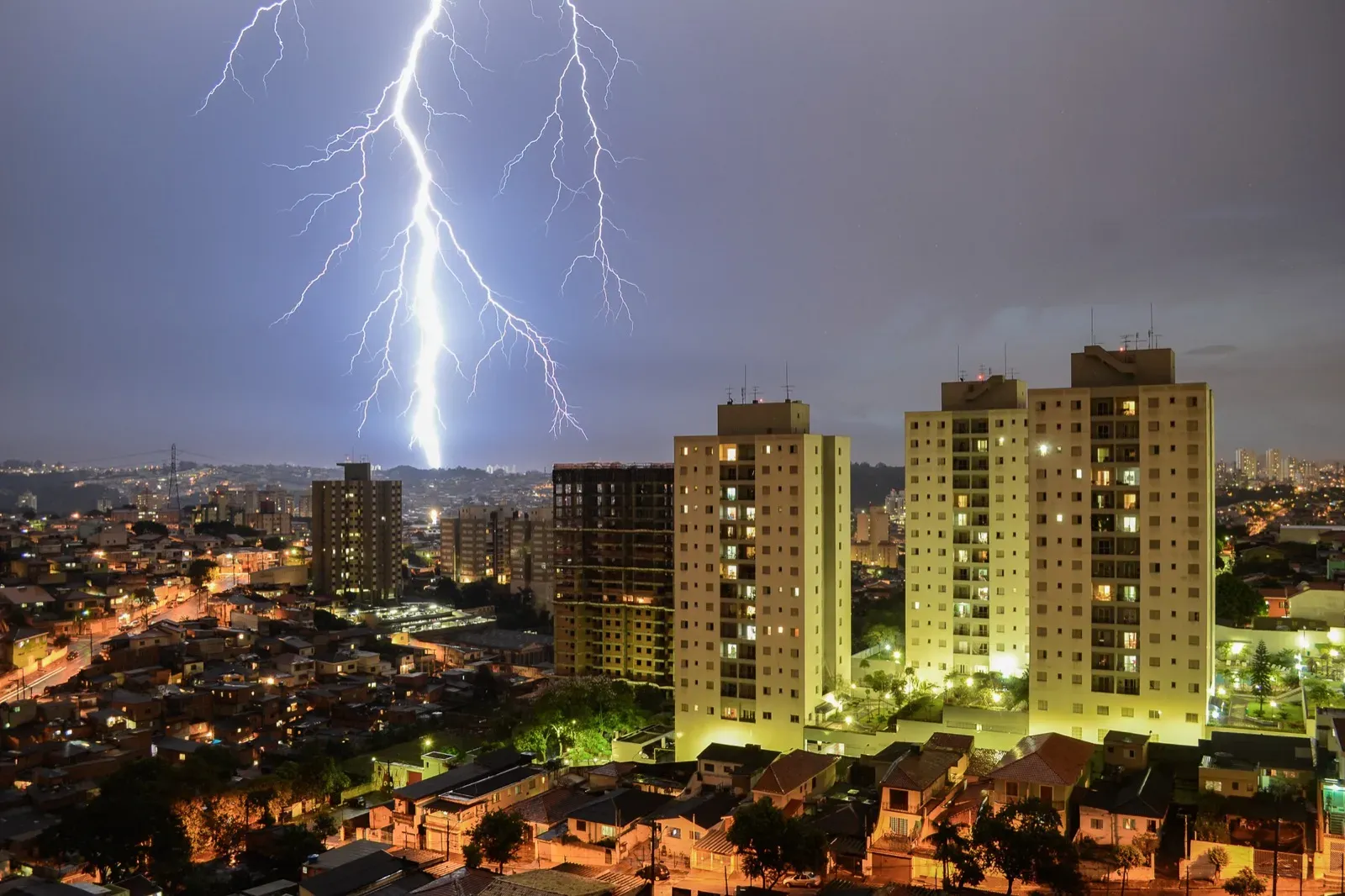
Can Lightning Strike a House? Three Ways It Gets In and Does Damage
Lightning can and does strike houses. Here are the three paths it takes into a home, what 2025 insurance claims show, and which parts of the risk a lightning protection system covers.
-
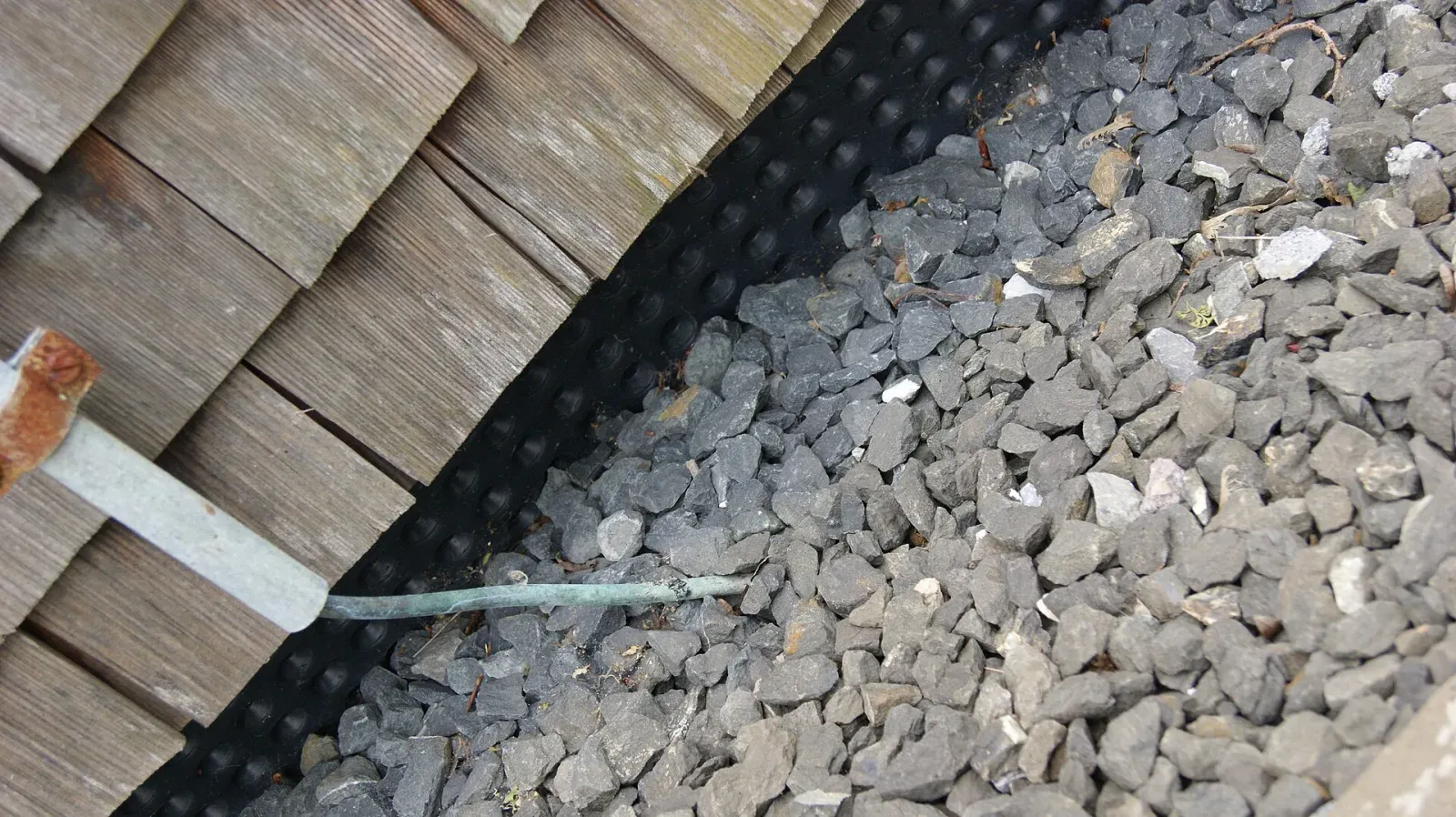
Lightning Protection Terms, Explained
A short glossary of the words that show up in lightning protection quotes, drawings and inspection reports, from air terminals and down conductors to NFPA 780, UL Master Label and the rolling sphere.
-
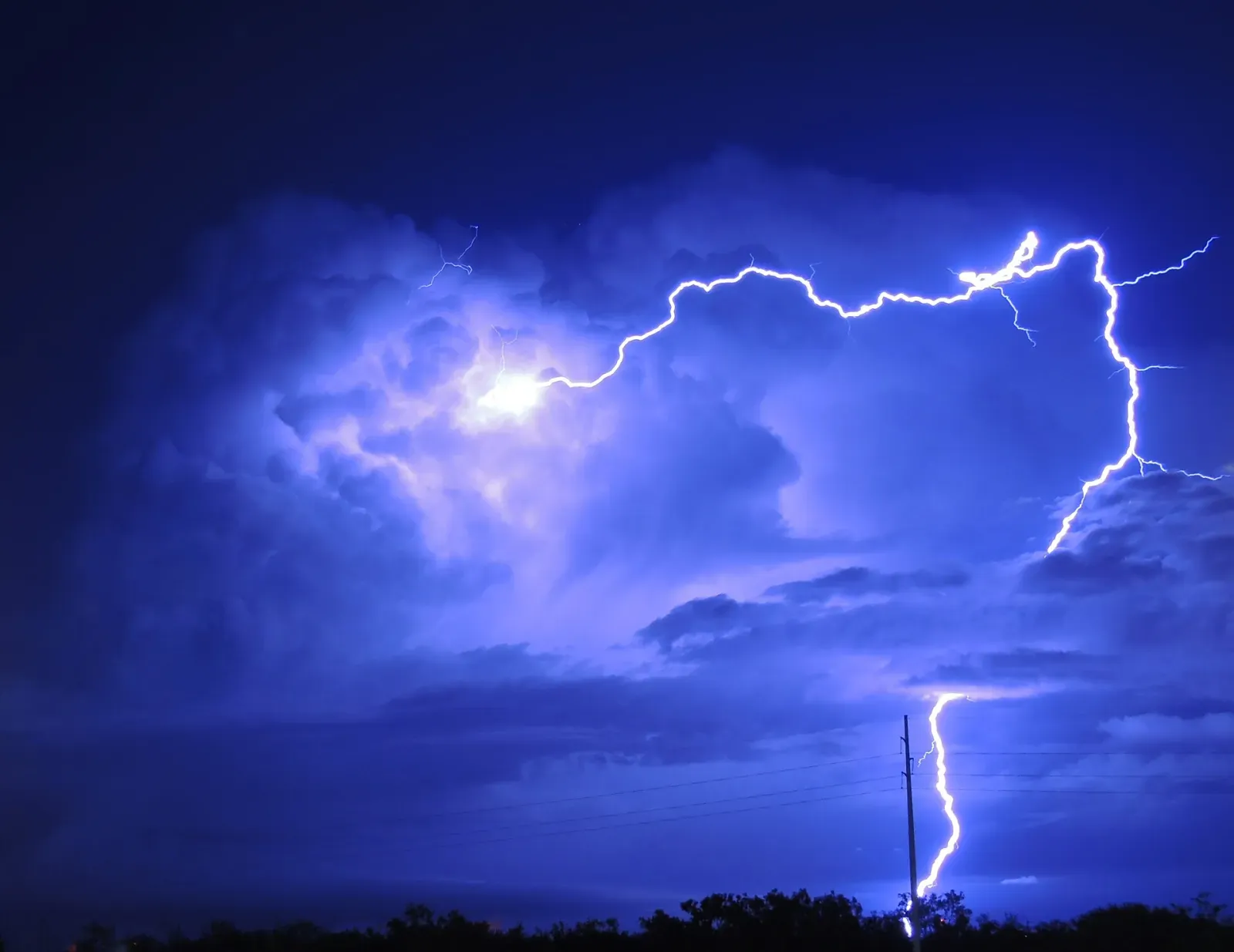
Texas Lightning: When, Where and How Often It Strikes
Texas gets more lightning than any other state. Here's when it comes, which parts of the state get the most, what that means in DFW and the Permian Basin, and how it applies to homes, commercial buildings and tank batteries.
-
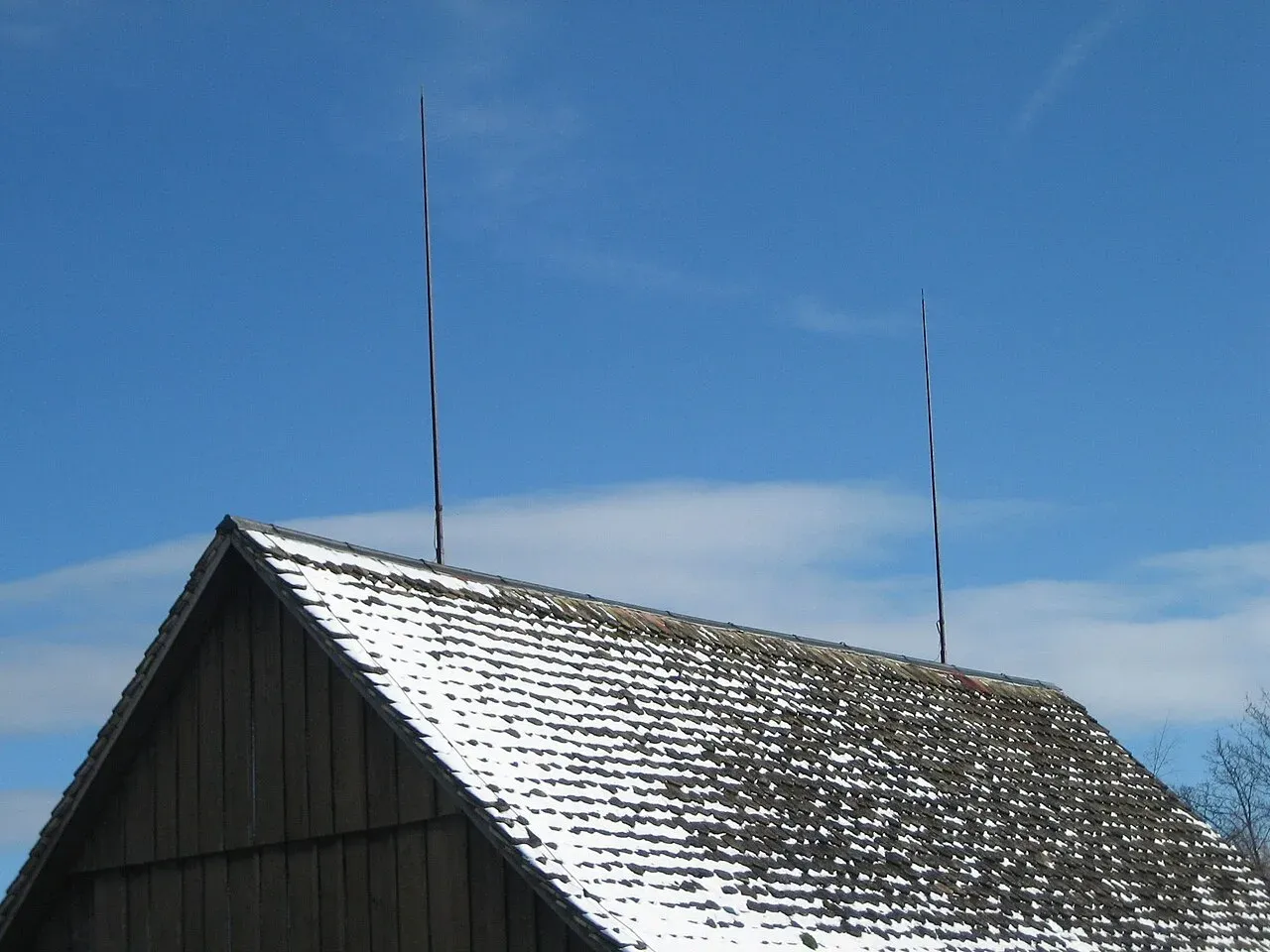
Lightning Rod Balls: What the Glass Globes Mean and Whether Old Rods Still Protect
Glass lightning rod balls were sold farm to farm from the 1870s to the Depression. They're collectible today, but the system under them may not protect anything. Here's how to tell, and what to keep.
-
Is Lightning Protection Required by Code? Where It's Mandatory and Where It's Your Call
For most homes and ordinary commercial buildings, lightning protection is a choice. It becomes a requirement when a jurisdiction adopts NFPA 780, when a federal or owner standard calls for it, or when an insurer or project specification says so.