
How It Works articles
-
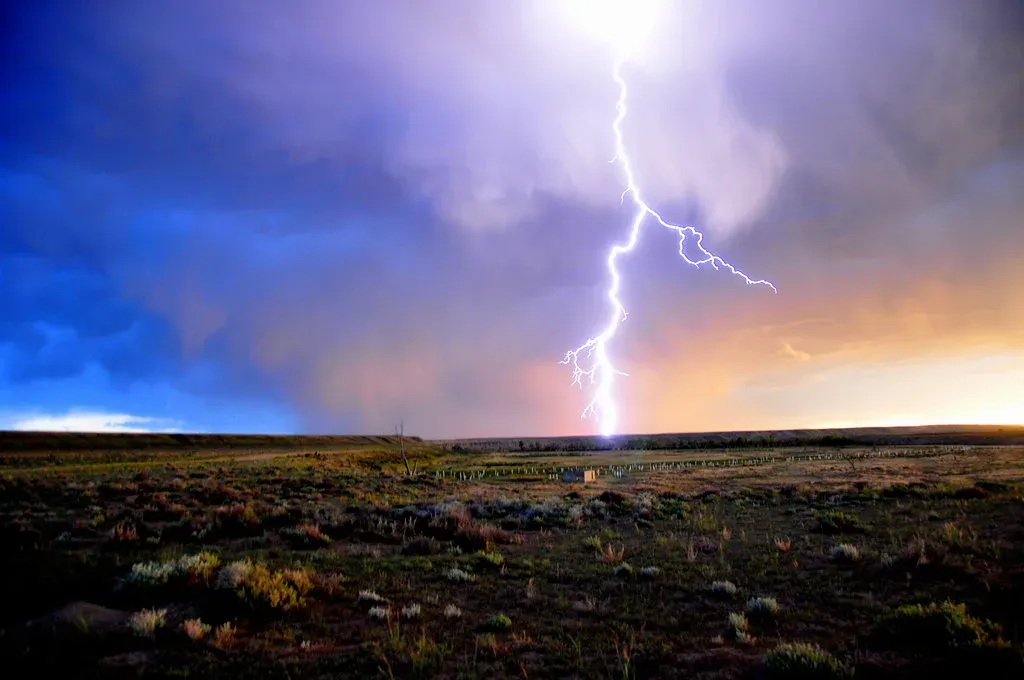
How Many Volts Is Lightning? And Why the Amps Matter More
A typical flash is about 300 million volts and 30,000 amps. How lightning compares with household power, why current and duration do the damage, what a strike does to a building's ground and wiring, and how a protection system handles it.
-
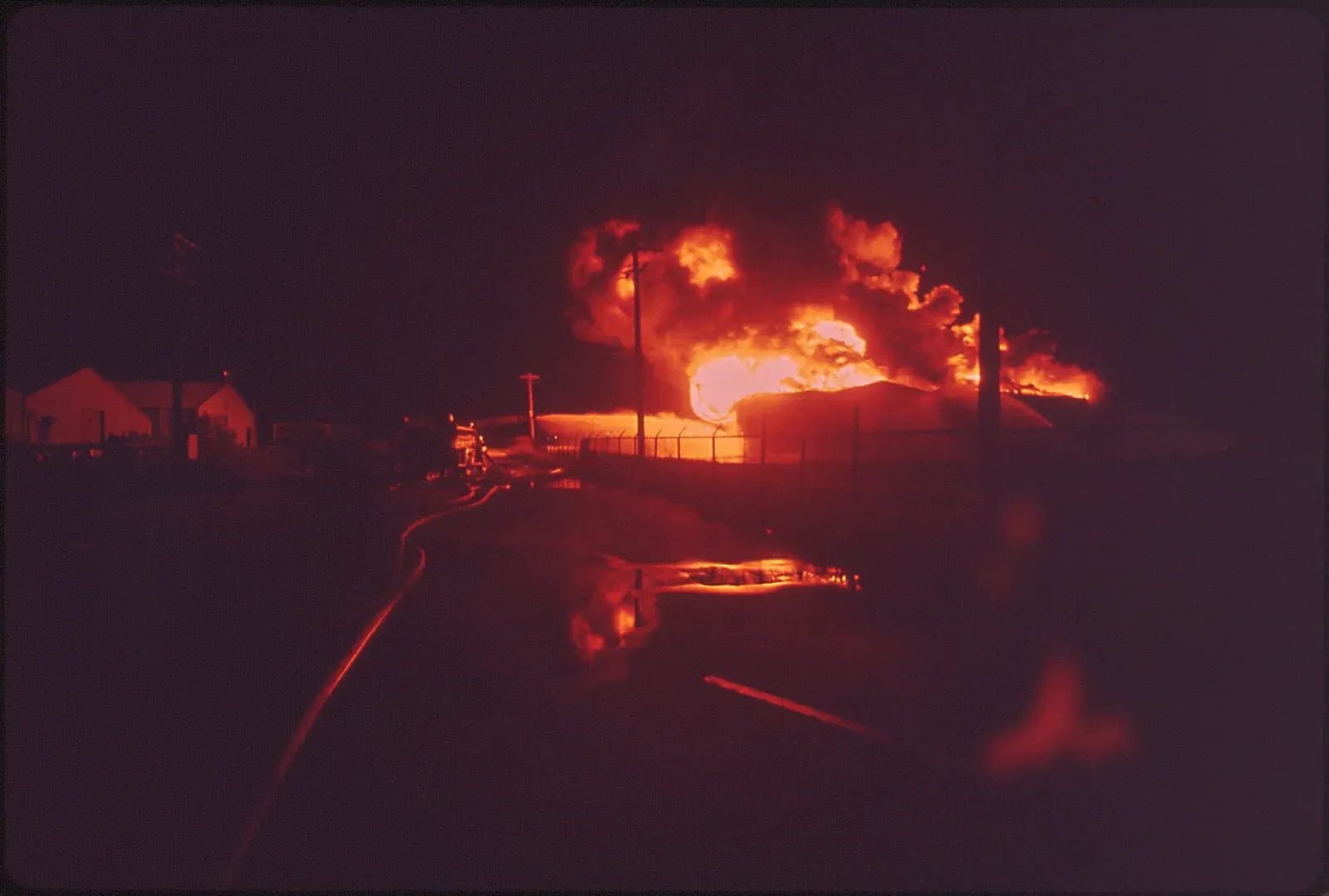
Lightning Protection Services: What Each One Includes and What to Ask For
The five jobs behind lightning protection services, how they differ for homes, commercial buildings and oil and gas sites, how long UL and LPI-IP certificates last, and a checklist for reading a proposal.
-
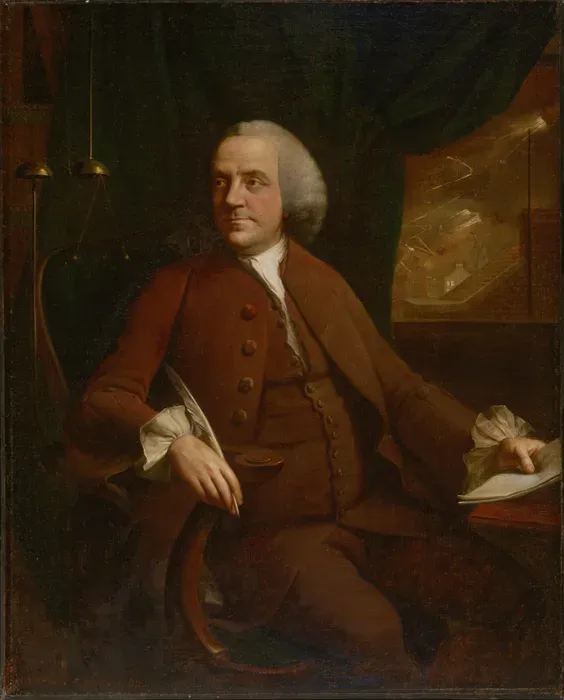
Benjamin Franklin's Lightning Rod: What He Built, What Failed and What Still Holds
What Benjamin Franklin's first lightning rods looked like, the 1760s strikes that melted and unhooked them, the heavier design he sent David Hume in 1762, and how it lines up with today's UL 96A and LPI rules.
-
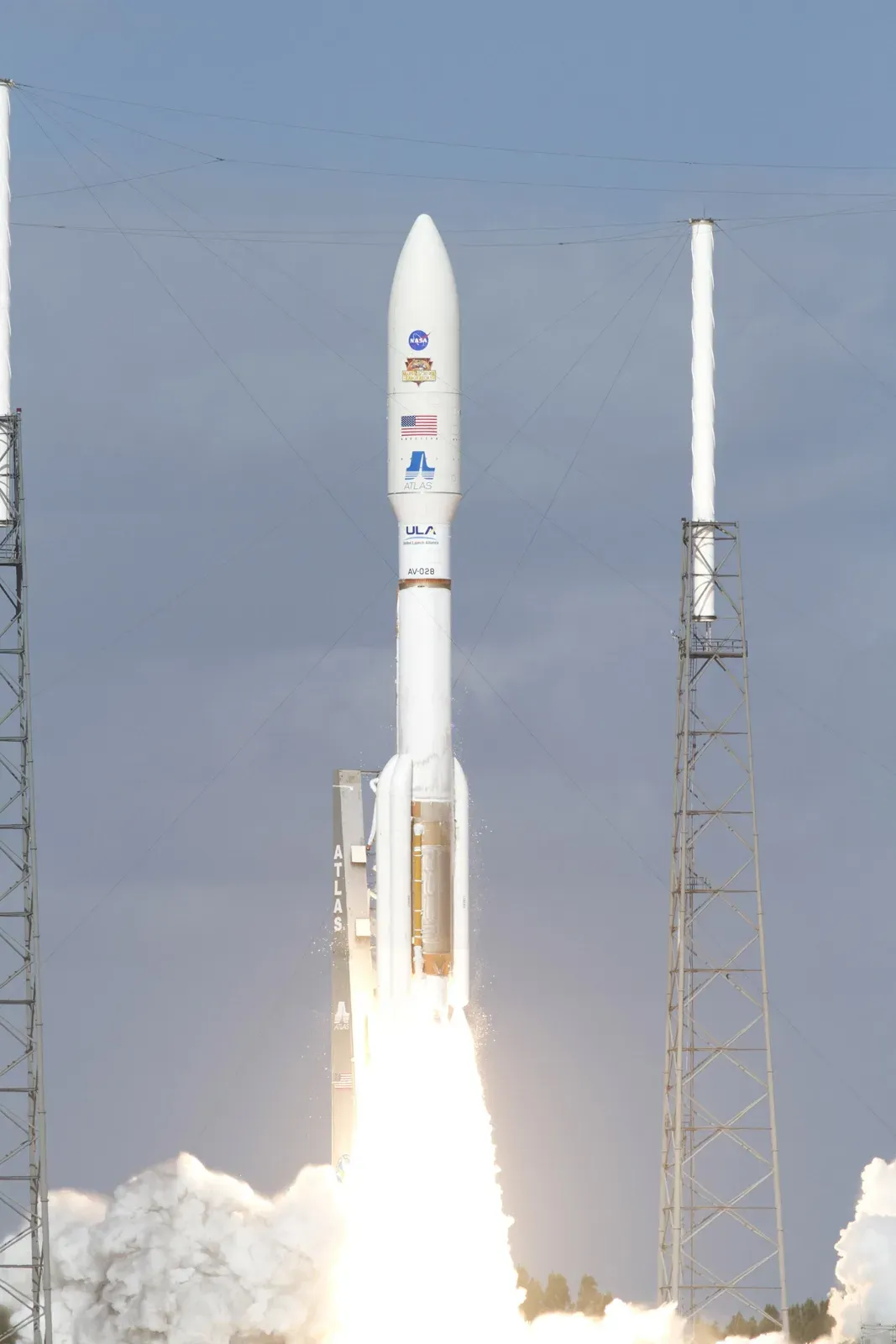
Types of Lightning Protection Systems: Integral, Mast, Catenary and More
US lightning protection comes in a few types: integral systems on the building, masts, overhead wire (catenary) systems and Faraday-like cages, plus steel that protects itself. Here's how each works, what NFPA 780 and the DoD criteria say, and which fits which building.
-
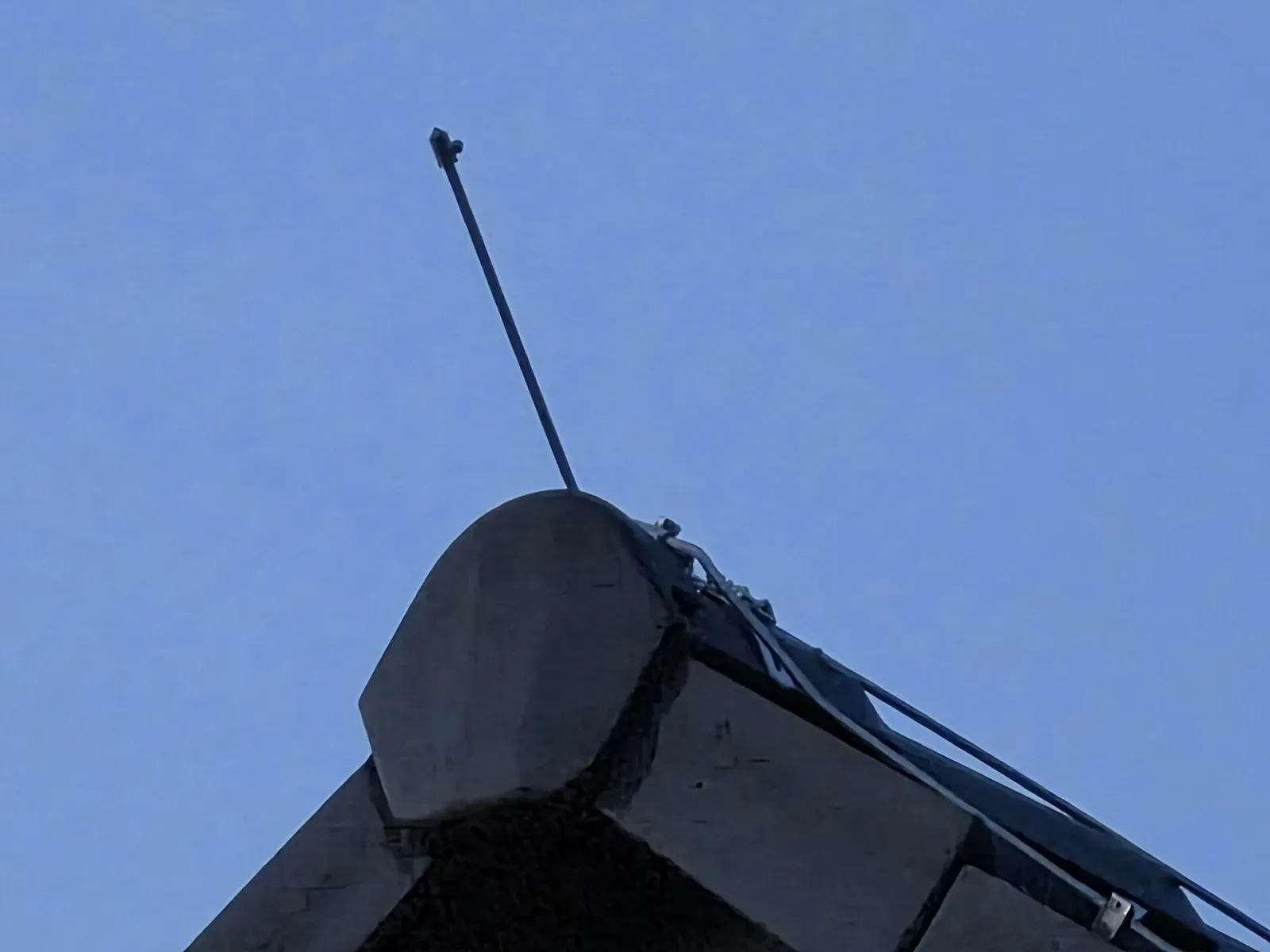
Lightning Protection Air Terminals: Size, Height, Spacing and Where They Go
Air terminal is the standards' name for a lightning rod. Here are the UL 96 size and material rules, the 10 in height and 20 to 25 ft spacing from UL 96A and NFPA 780, what blunt tips are about, where terminals go on a house and on a flat commercial roof, and what inspectors find wrong with them.
-
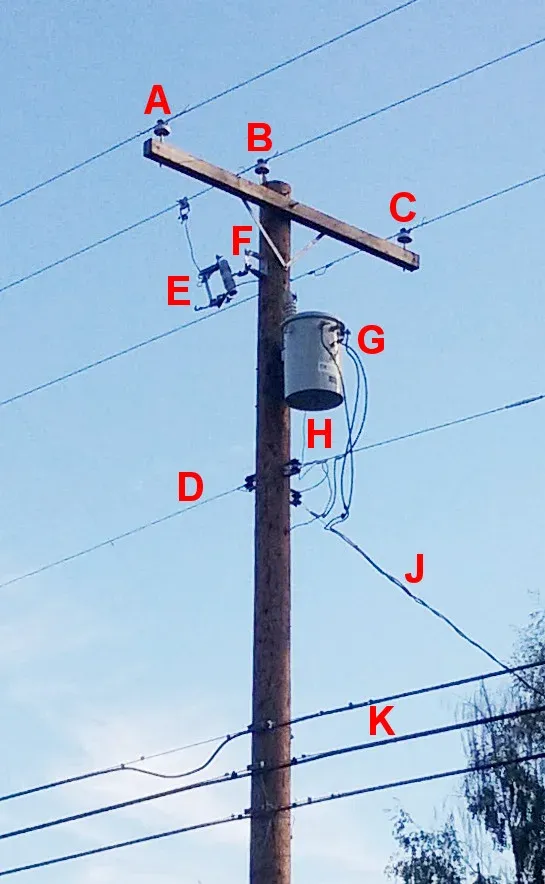
Lightning Arrester vs Lightning Rod: What an Arrester Does and Where It Goes
A lightning arrester protects wiring, not the building. Here's how arresters and SPDs work, where each one goes, what NEC 230.67 and NFPA 780 require, and how to read an SPD label.
-
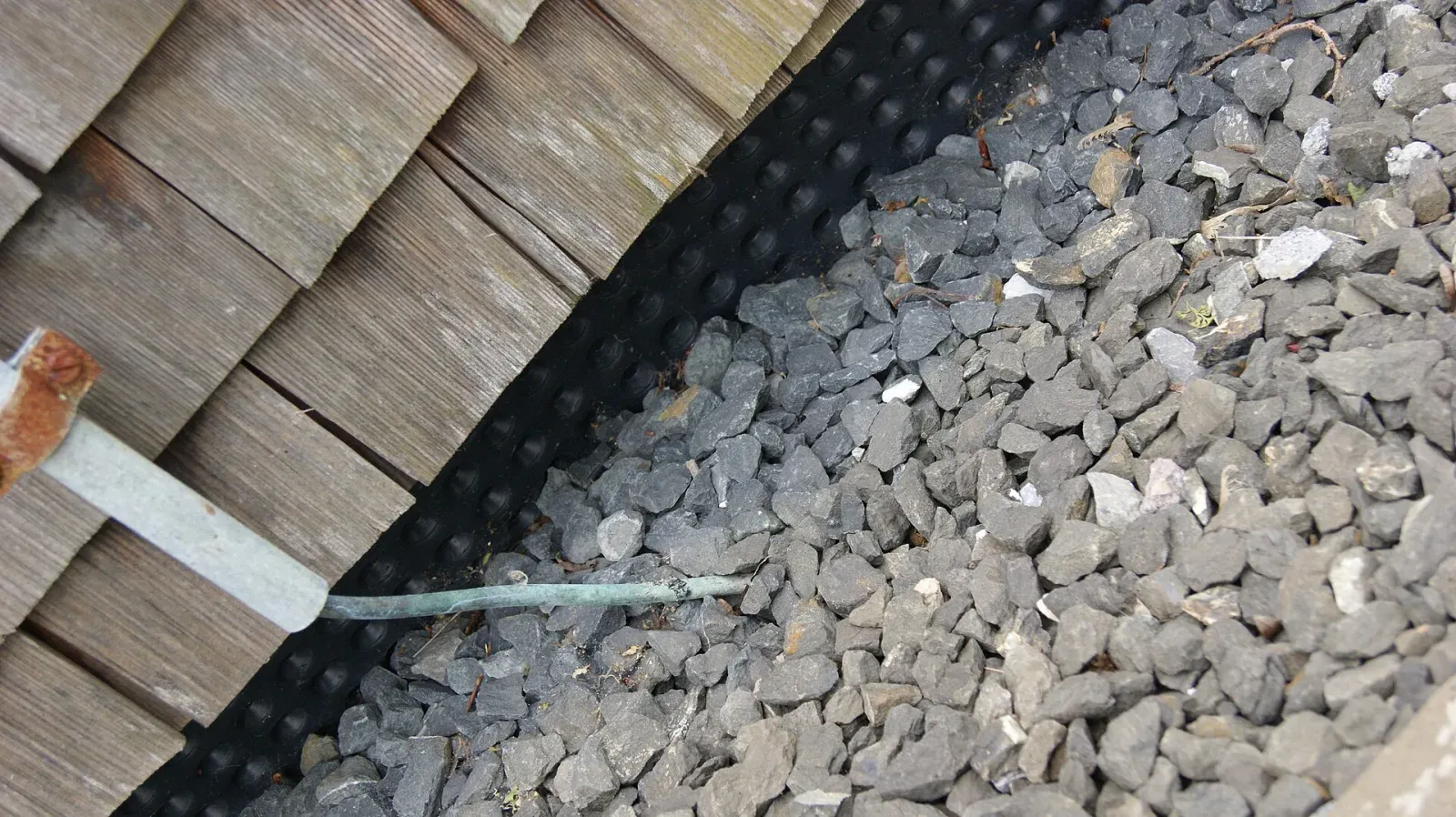
Lightning Protection Terms, Explained
A short glossary of the words that show up in lightning protection quotes, drawings and inspection reports, from air terminals and down conductors to NFPA 780, UL Master Label and the rolling sphere.
-
What Are Lightning Rods Made Of? Copper vs Aluminum, Class I vs Class II
Lightning rods and their cables are made of copper, copper alloys, electrical-grade aluminum and, for some parts, stainless steel. Which one goes where depends on the roof, the building height and the soil.
-
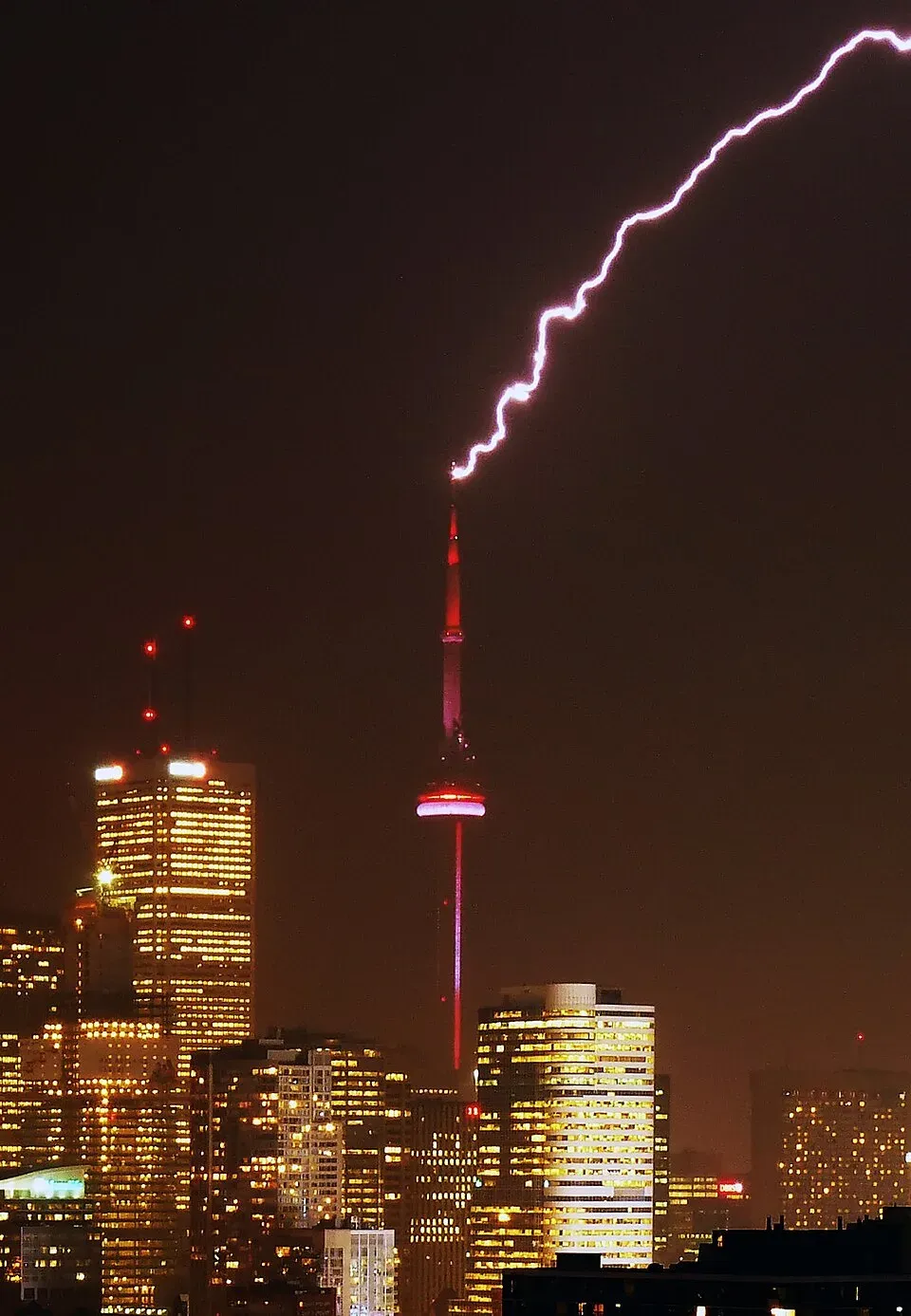
The Rolling Sphere Method: How Lightning Protection Zones Are Mapped
The rolling sphere method imagines a 150 ft ball rolled over a building: anywhere it touches needs protection. Here's the NFPA 780 rule, the formula, two worked examples, and why it changes how many air terminals end up in a quote.
-
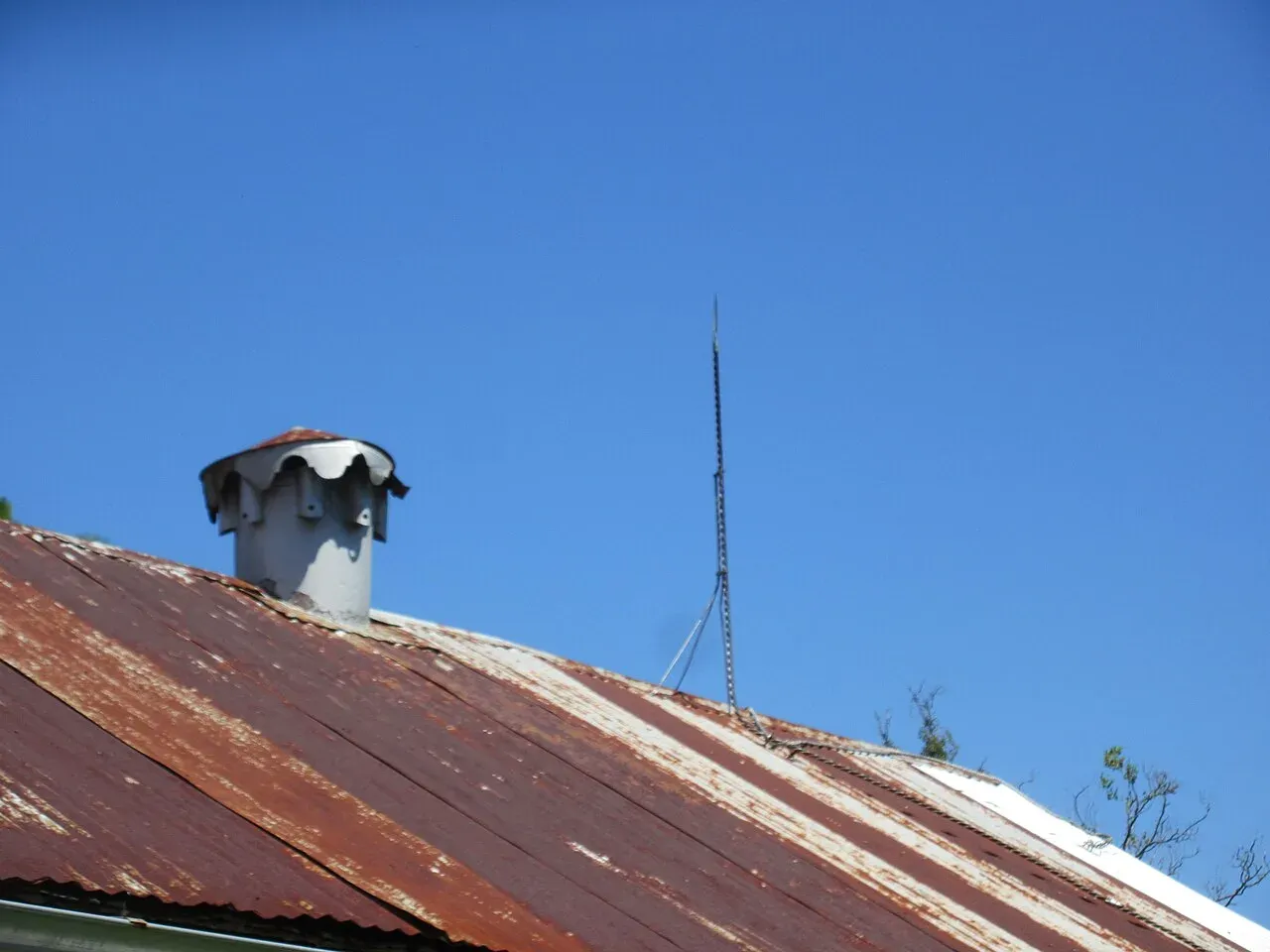
Lightning Protection System Components: The Five Parts Every System Needs
Every lightning protection system is built from the same five parts. Here's what each one does, the NFPA 780 rules that govern it, how it usually fails, and how residential and commercial systems differ.
-
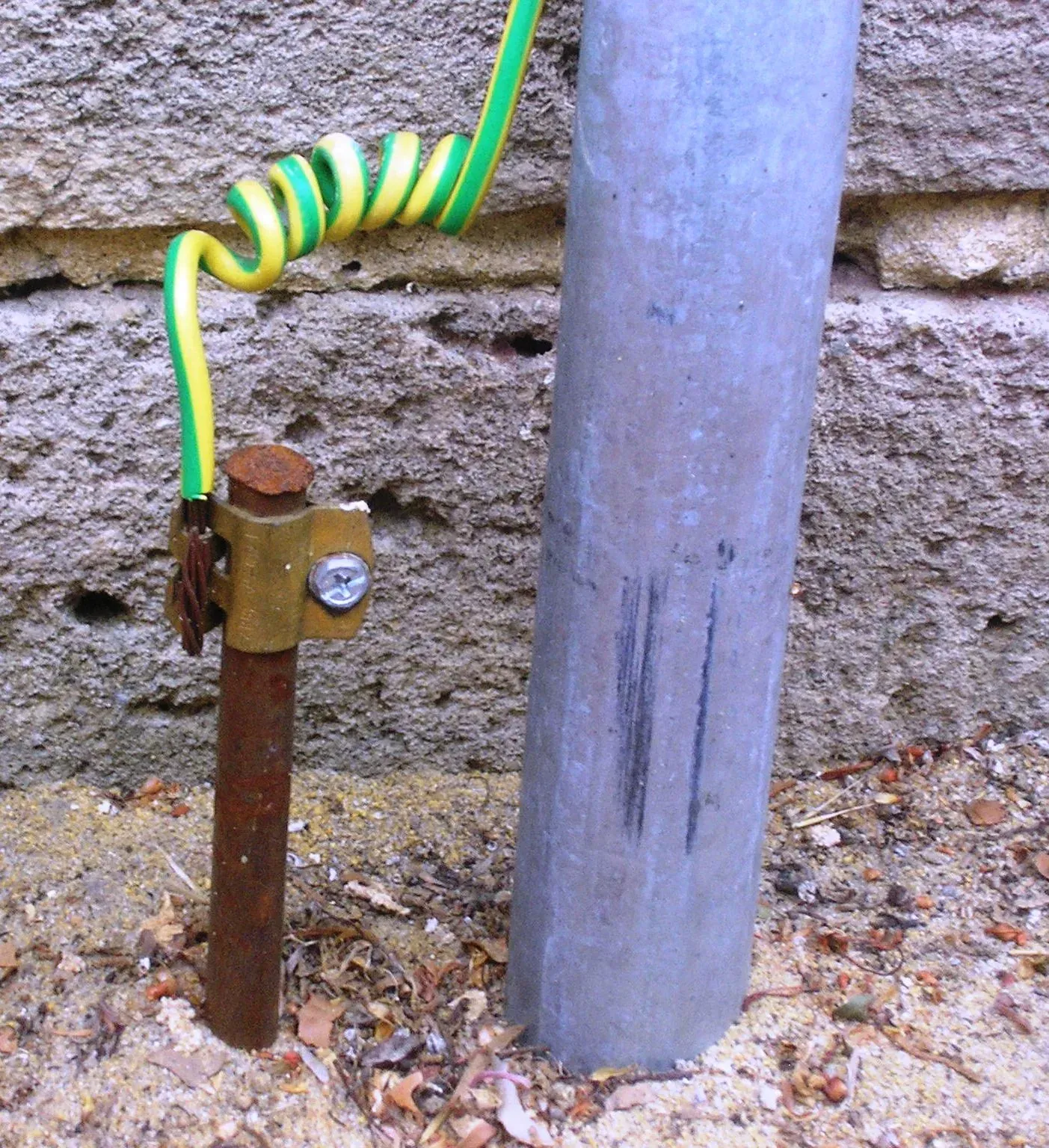
Grounding vs Bonding: What Each One Does in a Lightning Protection System
Grounding moves lightning current into the earth. Bonding keeps every metal system in the building at the same voltage while that happens. Here's how the two work together, and what goes wrong when bonding is skipped.
-
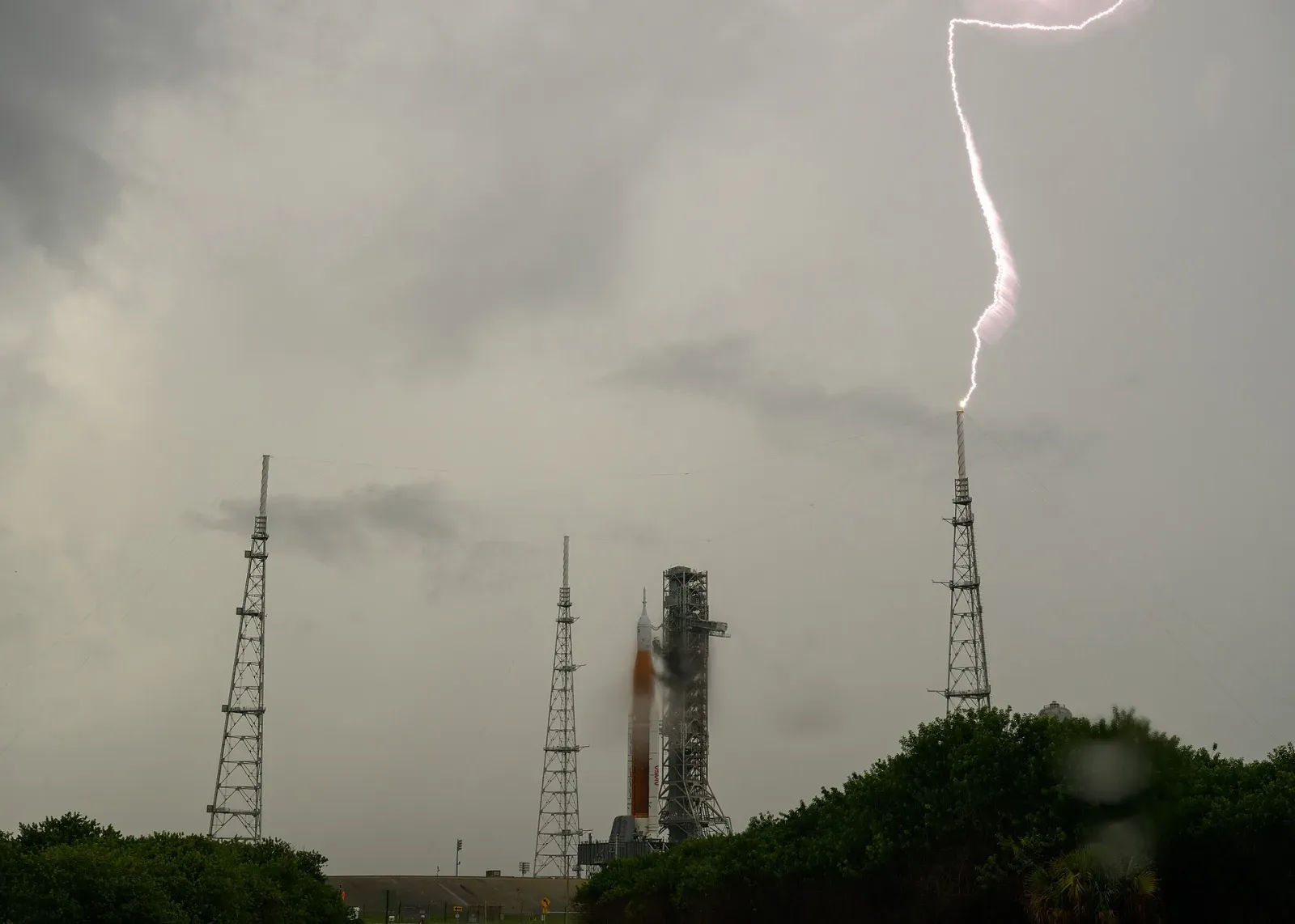
How Does a Lightning Rod Work? The Science in Plain English
What a lightning rod is, how a strike actually connects to it, what Benjamin Franklin got right and wrong, and why the rod only works as part of a grounded, bonded system.