
Oil & Gas articles
-
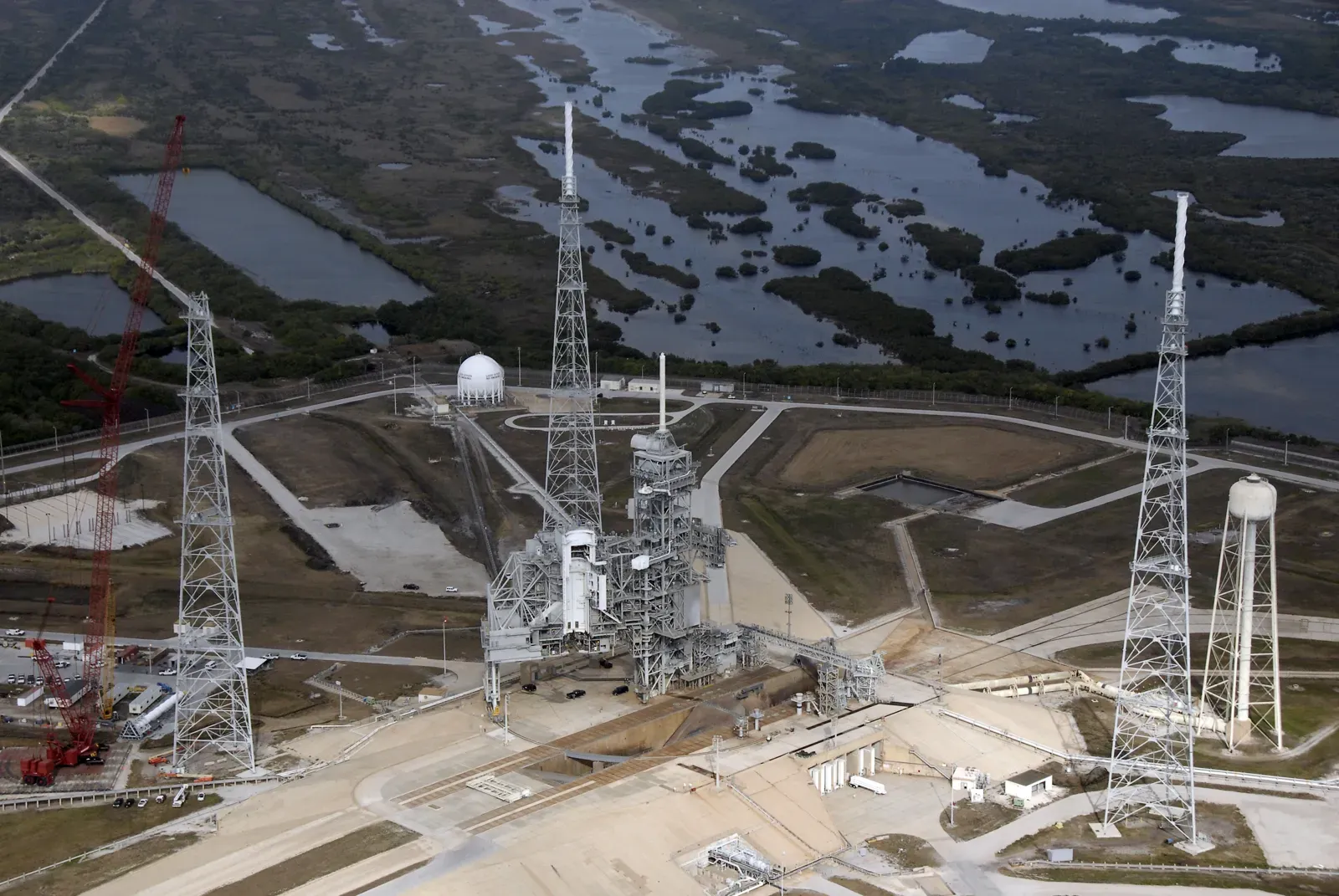
Lightning Mast: When a Freestanding Mast Works Better Than Rods on the Roof
A lightning mast takes the strike beside the structure instead of on it. Here's when masts and catenary wires beat roof-mounted rods, how far they must stand off, what published criteria require, and what to inspect.
-
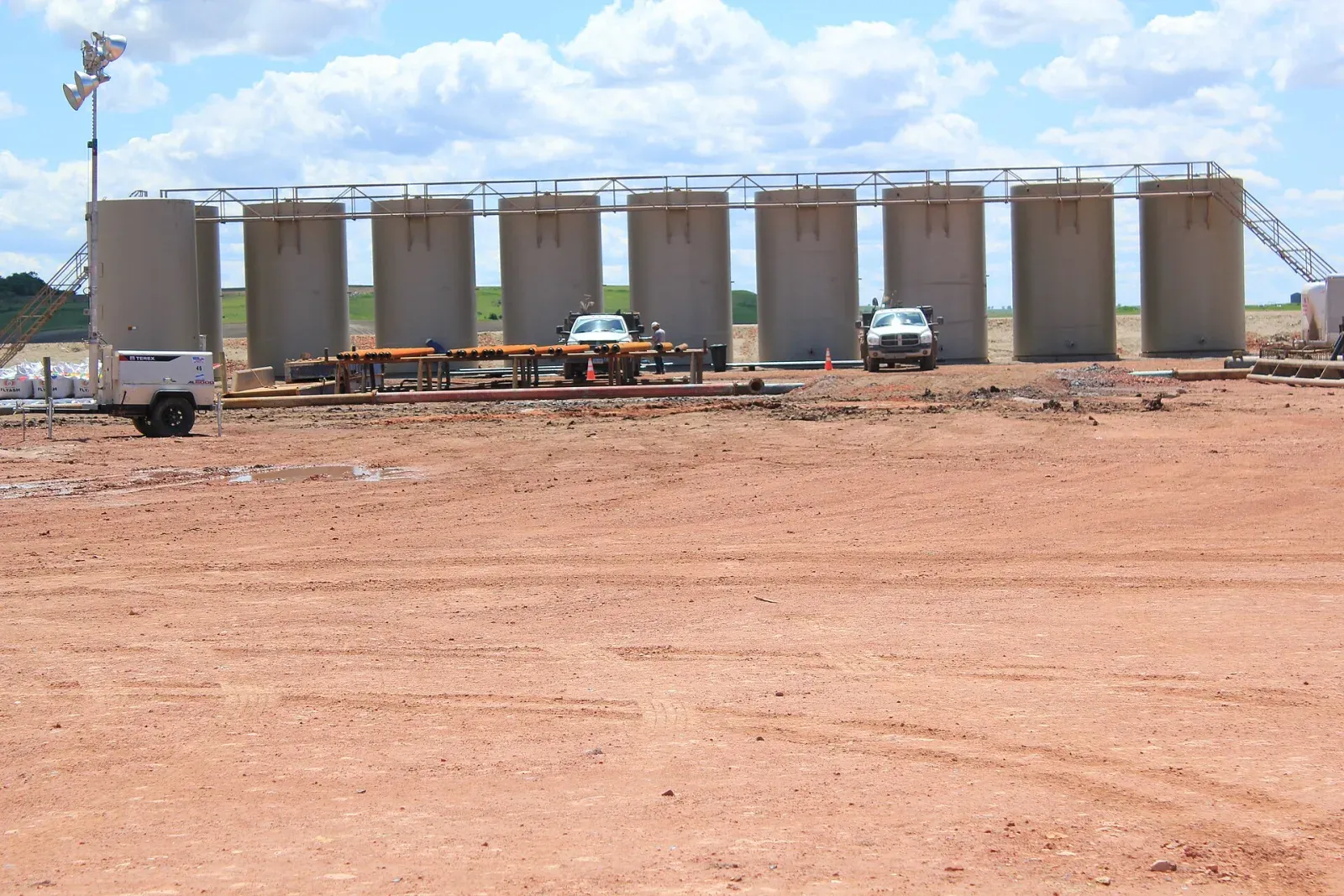
Tank Battery Lightning Protection: What Production Sites Need
Tank batteries got their own section in NFPA 780 in 2023. What it requires, how API RP 545 and the fiberglass-tank question fit in, what the North Dakota spill data shows, and a checklist for company men and HSE.
-
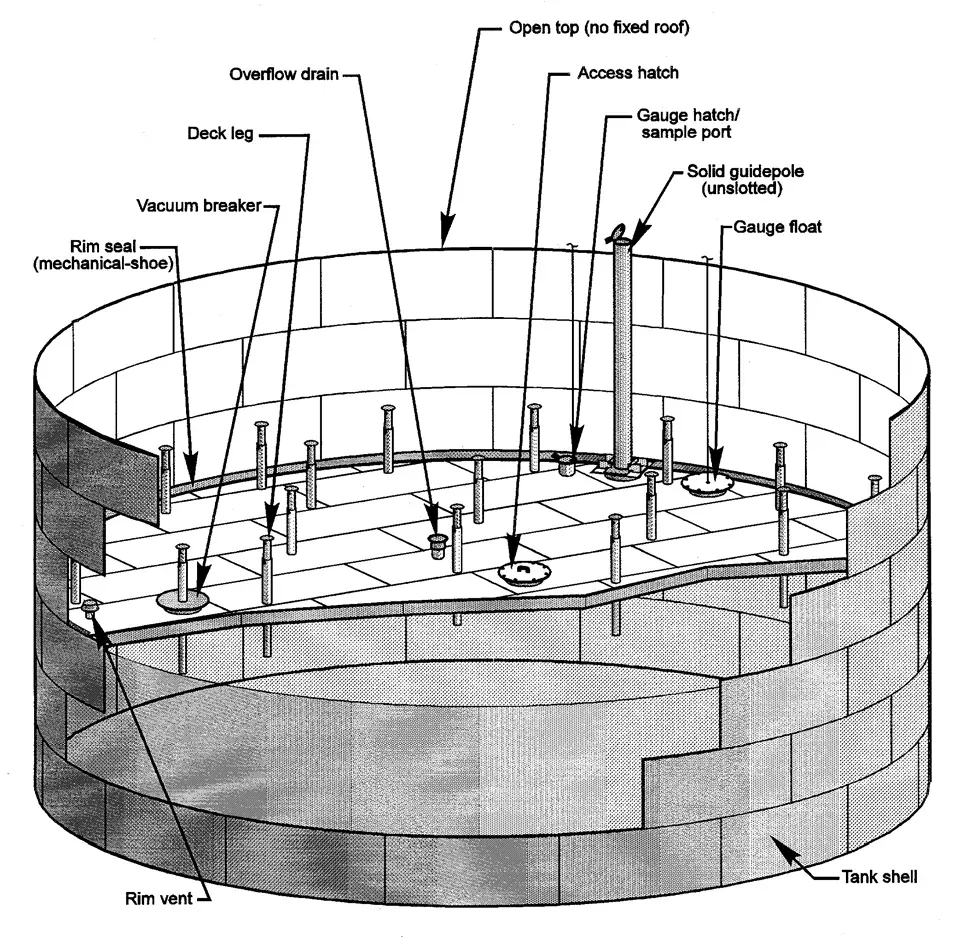
Floating Roof Tanks and Lightning: Shunts, Seals and API RP 545
Floating roof tanks are especially exposed to lightning, and most rim seal fires on record were started by it. Here's how external and internal floating roofs differ, why shunts arc, what API RP 545 recommended, and what to check.
-
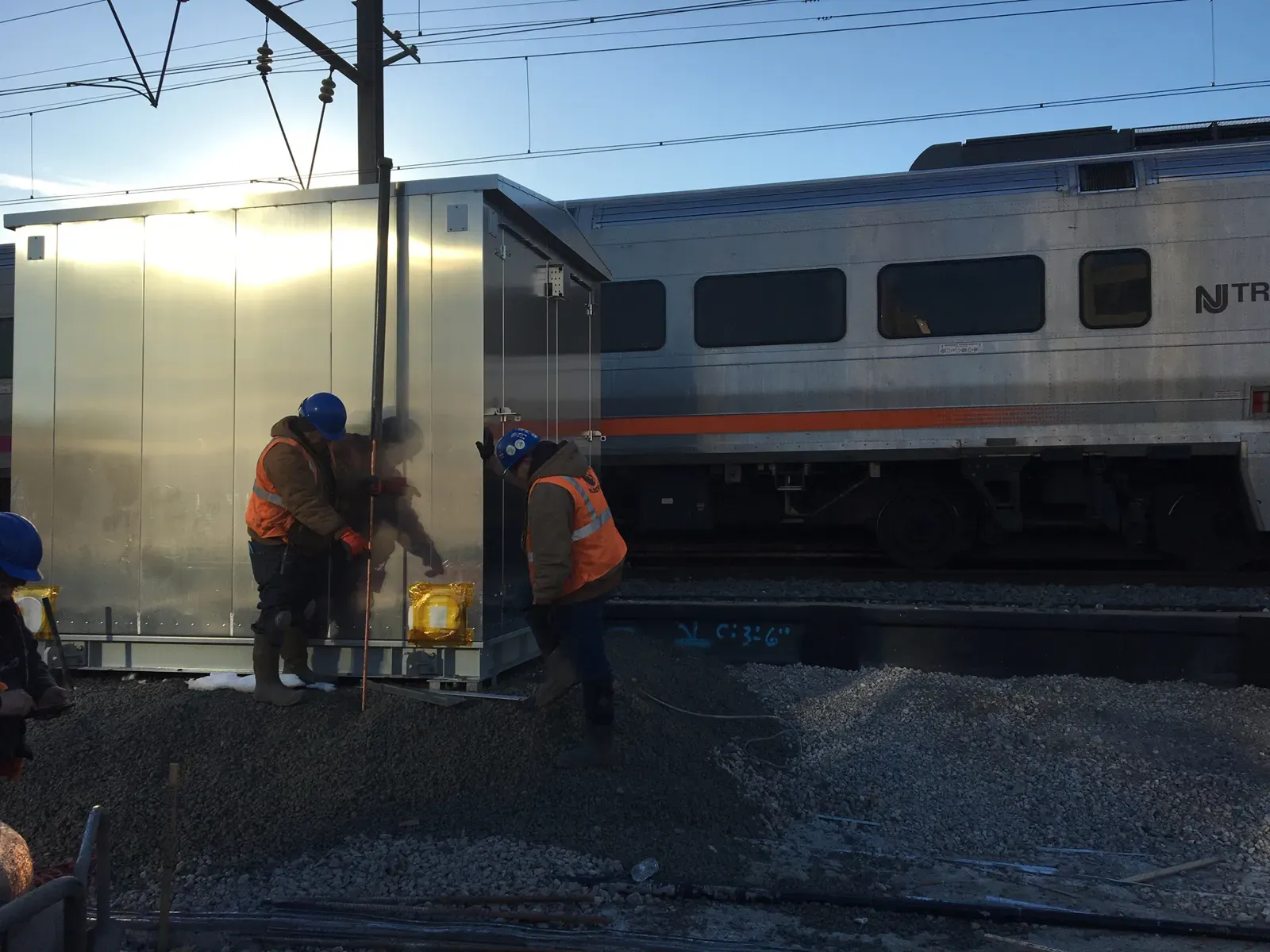
The Role of Grounding Systems in Oil & Gas Lightning Protection
Grounding systems play a vital role in oil and gas lightning protection by safely directing electrical energy into the earth and reducing the risk of sparks, explosions, equipment damage, and electrical surges. In high-risk environments where flammable materials and sensitive equipment are present, properly engineered grounding and bonding systems help protect workers, maintain operational reliability, and support compliance with industry safety standards. Regular inspections, professional installation, and ongoing maintenance are essential for keeping oilfield operations safer, compliant, and prepared for severe weather conditions.
-
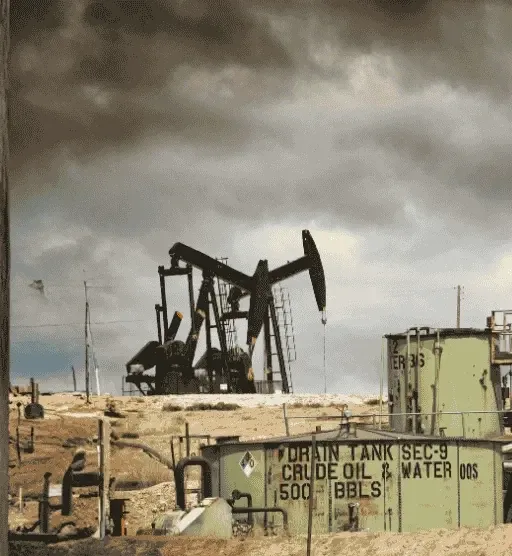
How Lightning Protection Systems Prevent Explosions and Equipment Damage in Oilfields
Lightning strikes can create serious risks for oil and gas facilities, including explosions, fires, equipment failure, and costly downtime. A professionally designed oilfield lightning protection system helps safely direct electrical energy into the ground, protect critical equipment, reduce ignition risks, and support safer, more reliable operations.