
Inspection & Testing articles
-
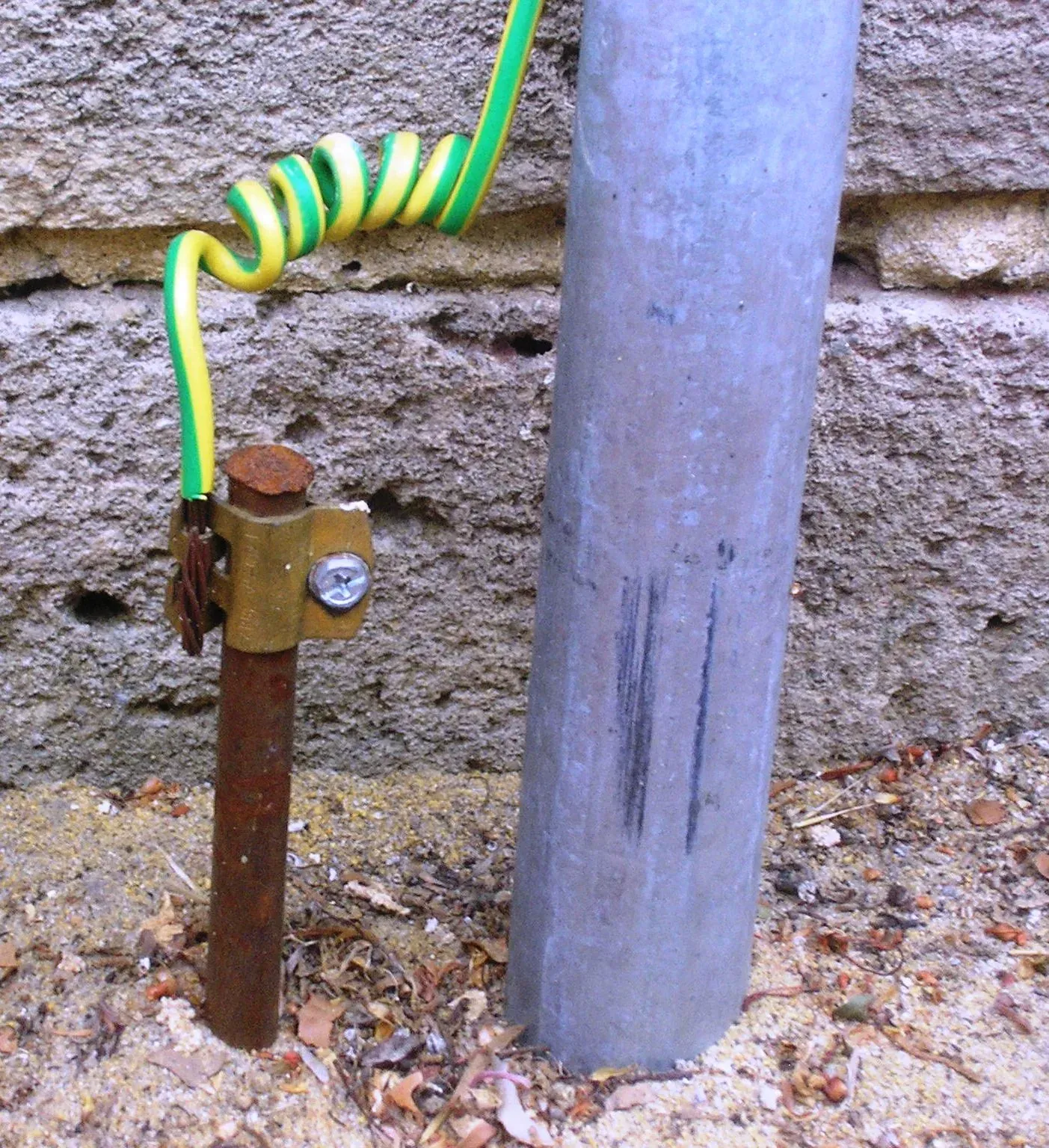
The Fall-of-Potential Test: How Lightning Protection Grounds Are Measured
A fall-of-potential test uses three points in the ground to measure a ground electrode's resistance to earth. Here's how the test is set up, how to spot a bad reading, and what the number means for a lightning protection system.
-
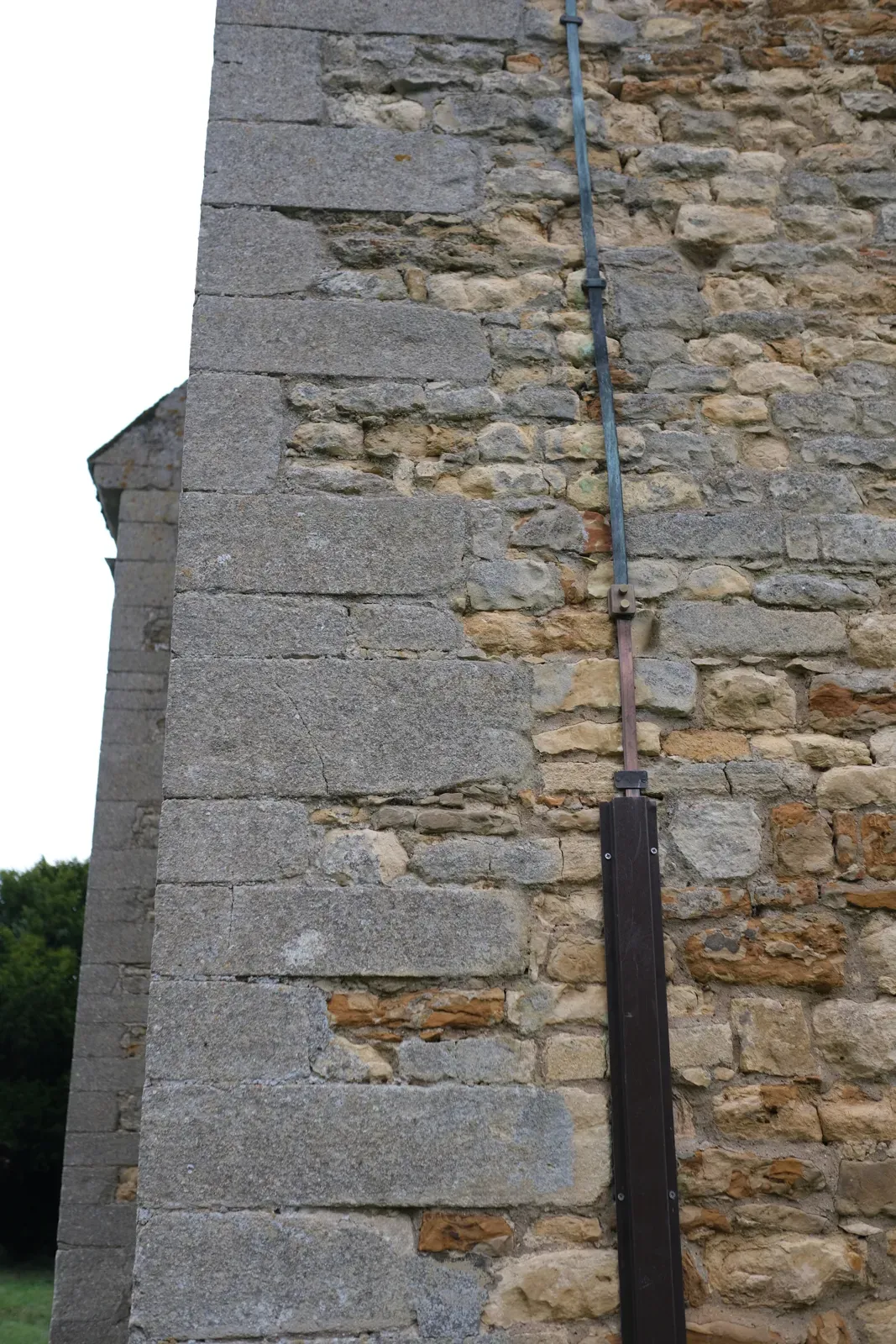
When Should You Have Your Lightning Protection System Re-Inspected?
Routine inspections help ensure your lightning protection system continues to perform as intended.
-
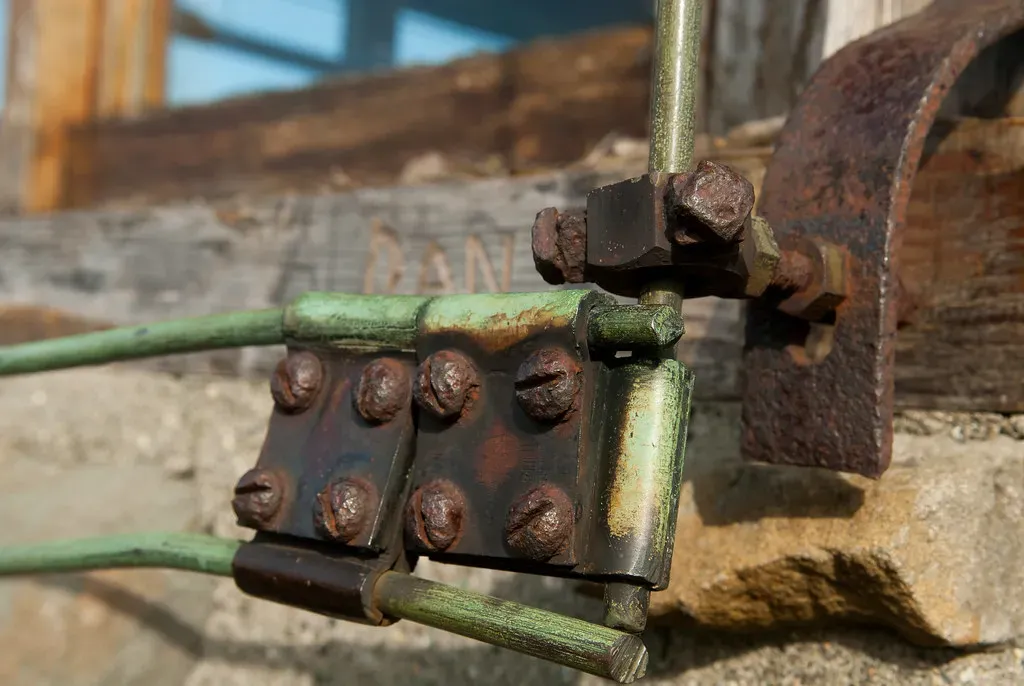
Common Problems Found During Lightning Protection Inspections
Loose or disconnected conductors, corrosion, damaged air terminals and grounding issues are among the problems a lightning protection inspection can find.
-
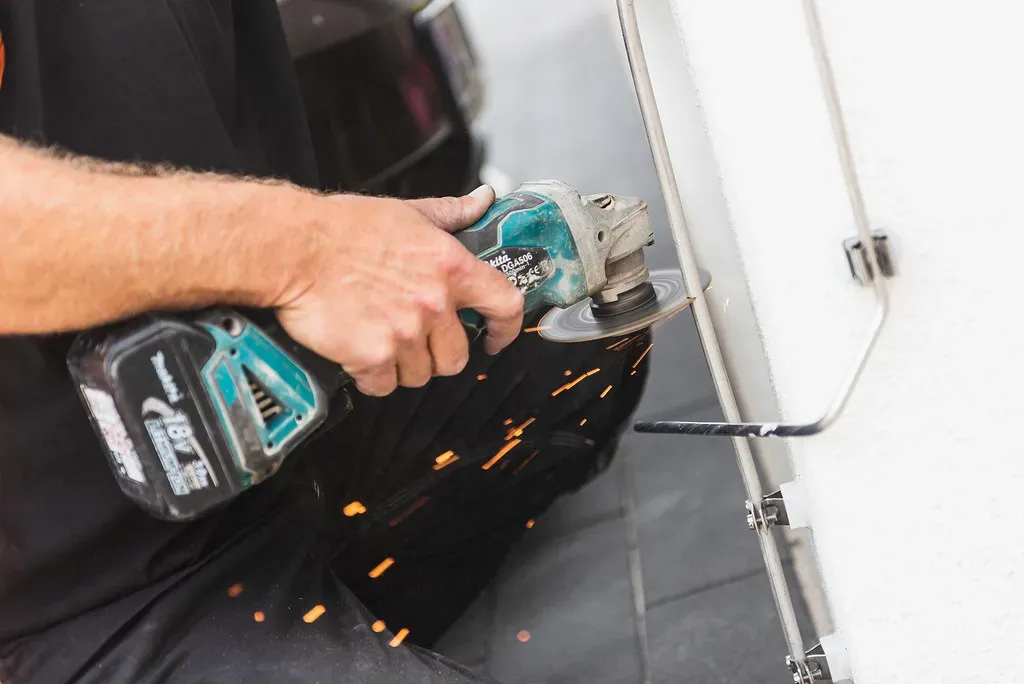
How Often Should Commercial Lightning Protection Systems Be Inspected?
How often should commercial lightning protection systems be inspected? Routine inspections help identify damaged components, corrosion, loose connections, grounding issues, and changes that may affect system performance. Learn why establishing the right lightning protection inspection frequency is important for protecting commercial and industrial facilities from lightning-related damage and downtime.
-
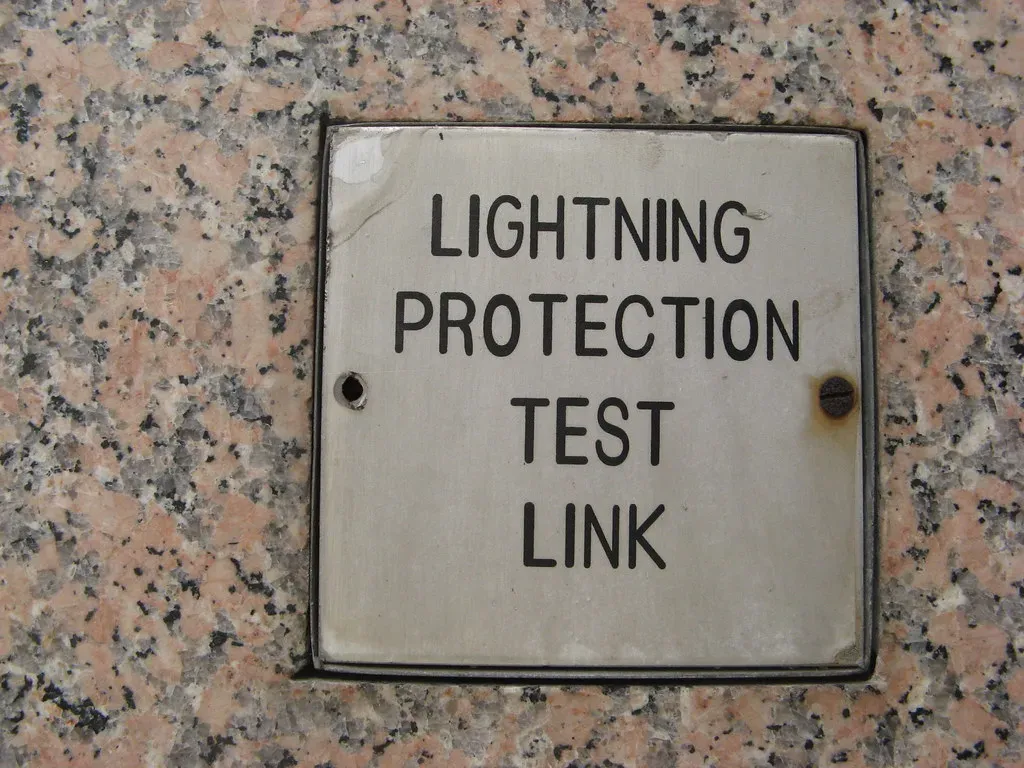
What Is Tested During a Lightning Protection Inspection?
Professional lightning protection inspections help ensure every part of your system is working properly before severe weather strikes. From lightning rods and conductors to grounding connections, surge protection devices, and system continuity, routine inspections help identify damage, corrosion, loose hardware, and performance issues early.
-
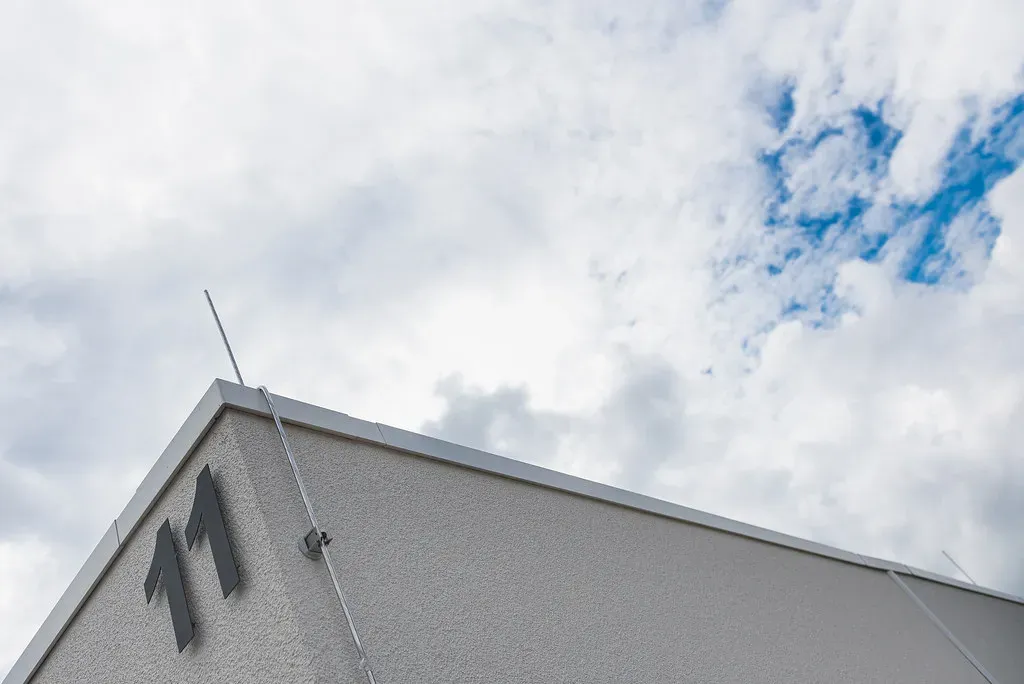
Benefits of Professional Lightning Protection Inspections for Industrial Facilities
Many industrial facilities assume their lightning protection system will work when needed—but damaged grounding systems, corroded components, loose connections, or failed surge protection devices can leave your operation vulnerable to costly equipment damage, downtime, and safety risks.