
Residential articles
-
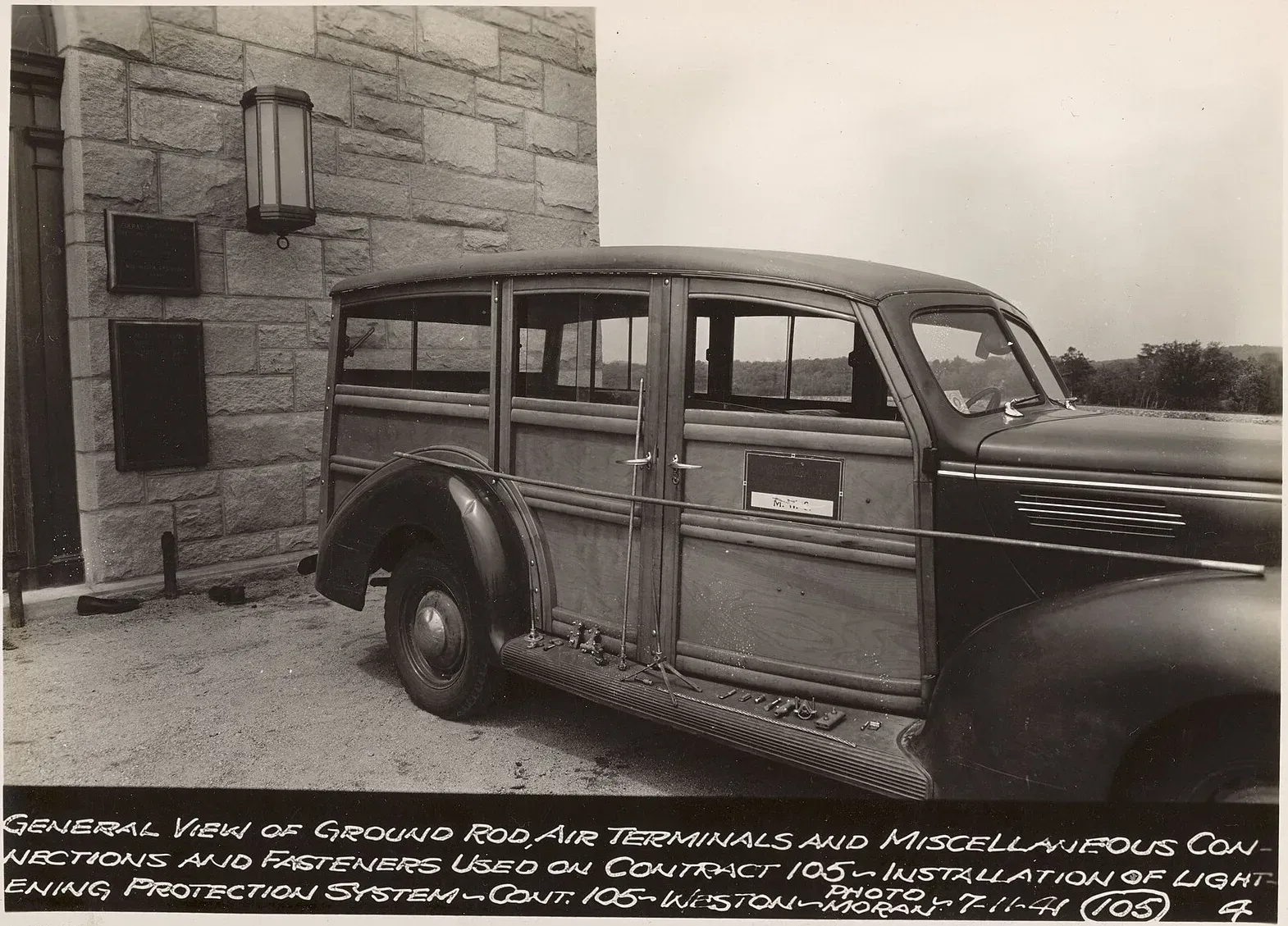
Lightning Rod Kits: What's in the Box and What a House Actually Needs
What a typical lightning rod kit contains, how it compares with UL's requirements for a house system, the flagpole kits that dominate the search results, and how to check parts before you buy.
-
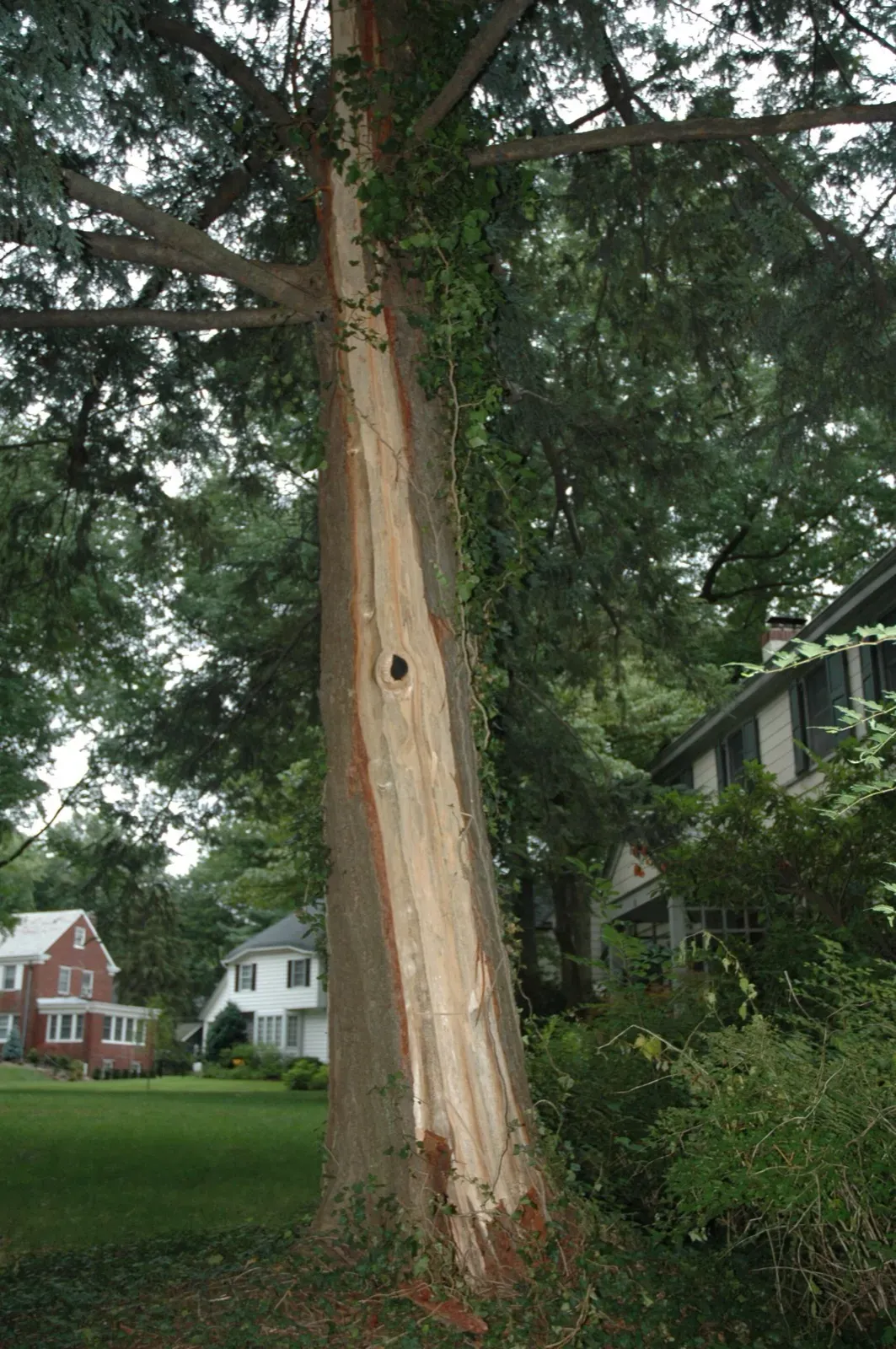
Tree Struck by Lightning: What to Check and What to Do Next
What a lightning-struck tree looks like, how extension foresters decide whether it can stay, why waiting a few weeks usually pays, the beetles to watch for, and what to check in the house next to it.
-
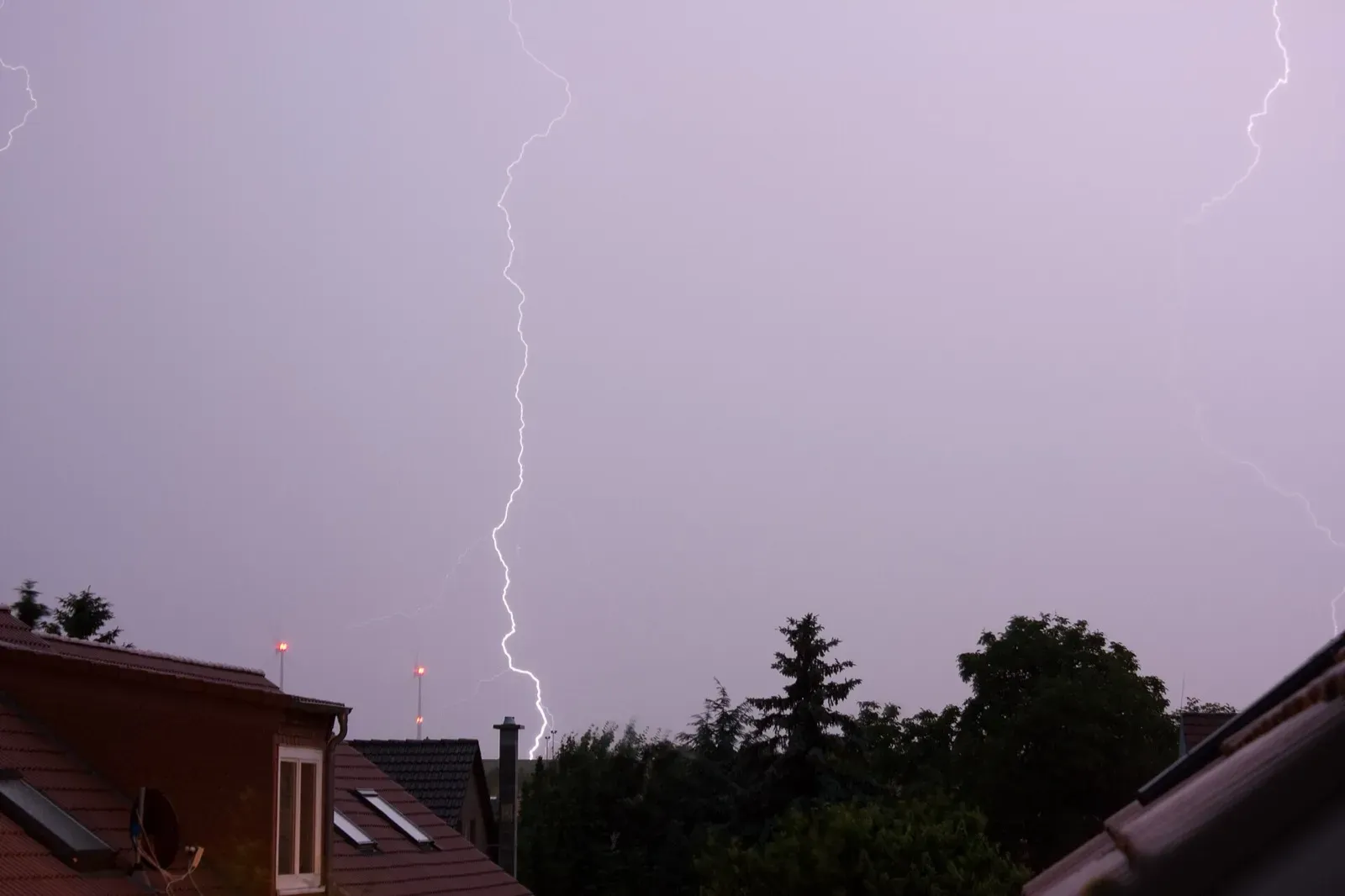
Can Lightning Strike Through a Window? How People Get Hurt at Windows
Why glass itself rarely carries lightning, how metal frames, open windows, old cracks and flying glass still put people at risk, how far back to stand, and when the risk is over.
-
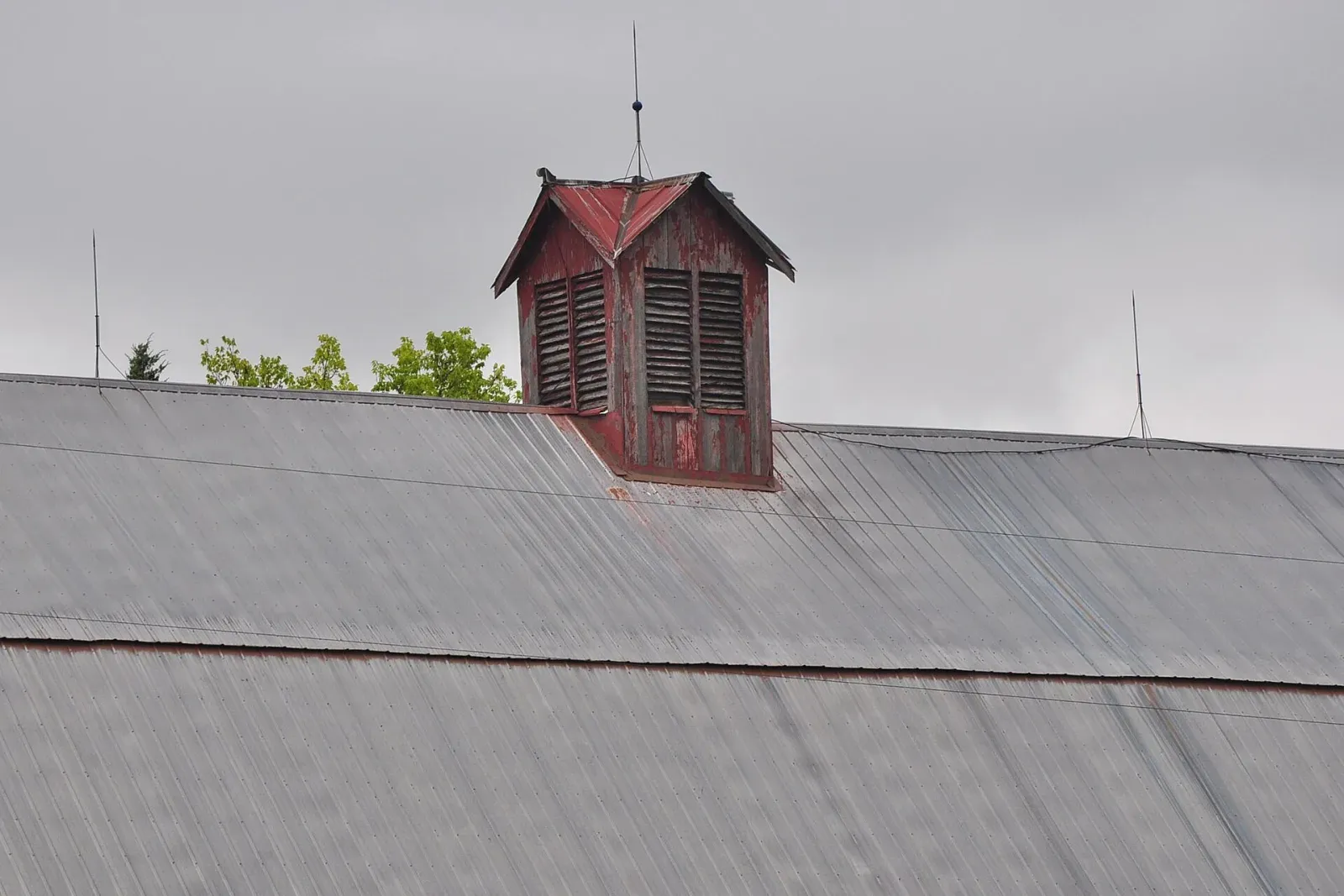
How to Protect Your House From Lightning: A Homeowner's Plan
A step-by-step plan for protecting a house from lightning: what a real lightning protection system includes, the gas line bonding and surge rules in the codes, what to do about big trees, and how to keep the people inside safe.
-

How to Protect Electronics From Lightning: Surge Protection, Data Lines and Grounding
Lightning reaches electronics through every wire attached to them. Here's the layered plan: unplug before the storm (not during), a service SPD, plug-in protectors that carry the data line too, one grounding point for every incoming line, and fiber or protected Ethernet for runs between buildings.
-
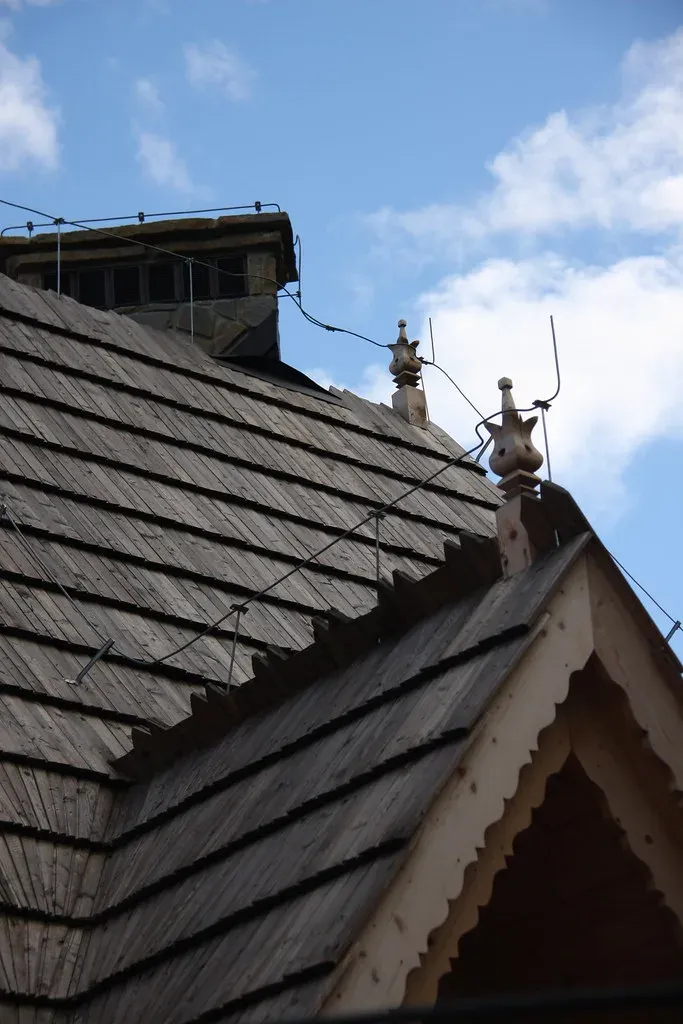
Do Houses Have Lightning Rods? Why Most Don't, and Which Ones Should
Most US homes don't have lightning rods. The reasons are 19th-century rod swindlers, the move to town and a belief that wiring took over, not that rods stopped working. Here's what claims and fire data say about the risk, and which houses should have a system.
-
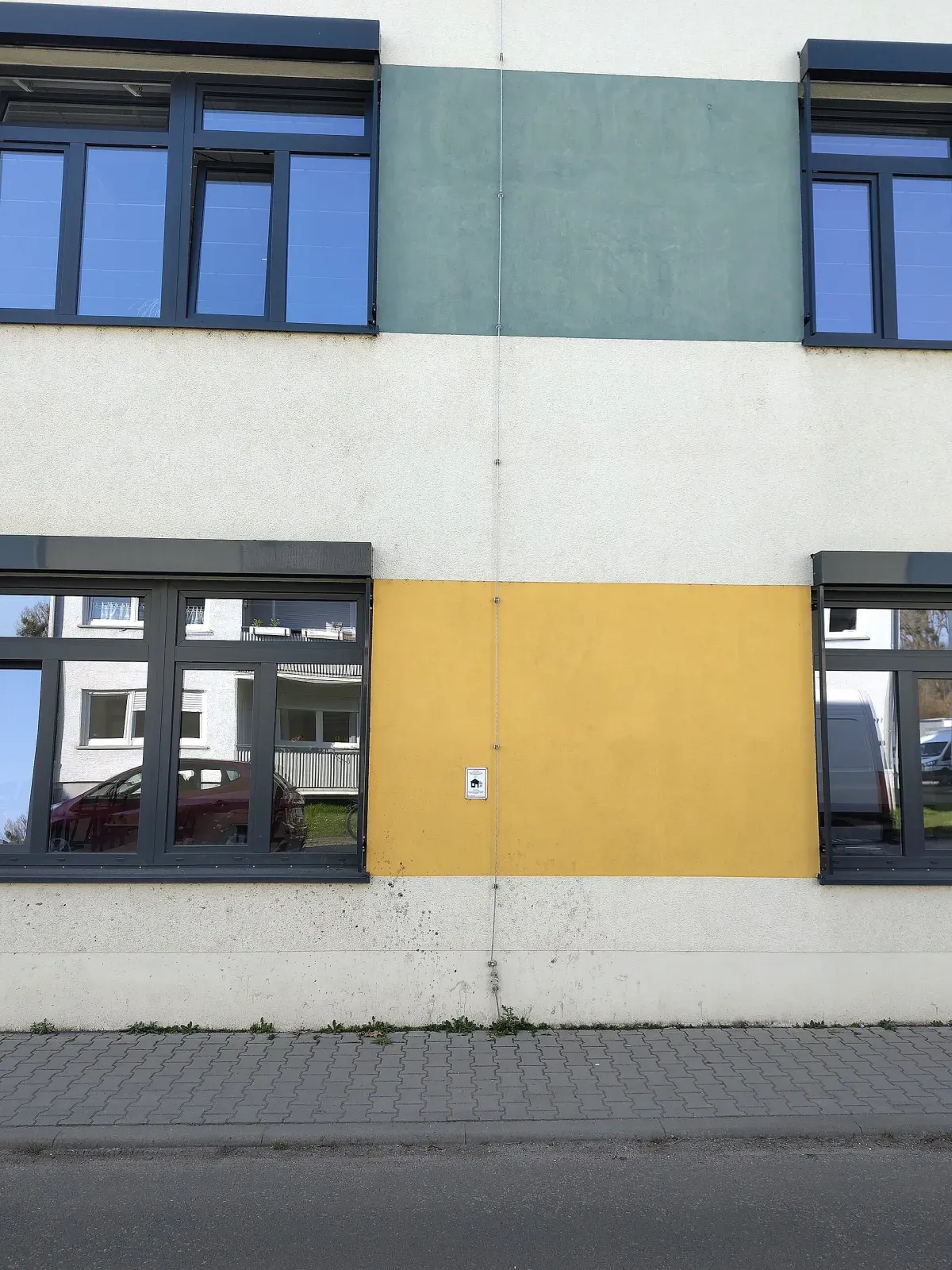
Lightning Rod Installation: What Happens From Survey to Certificate
What a lightning protection crew actually does on an installation: the survey, where the air terminals go, how conductors and ground rods are placed, bonding, and the certificate at the end. With the numbers from UL 96A, NFPA 780 and LPI-175 and a list of questions to ask before you sign.
-
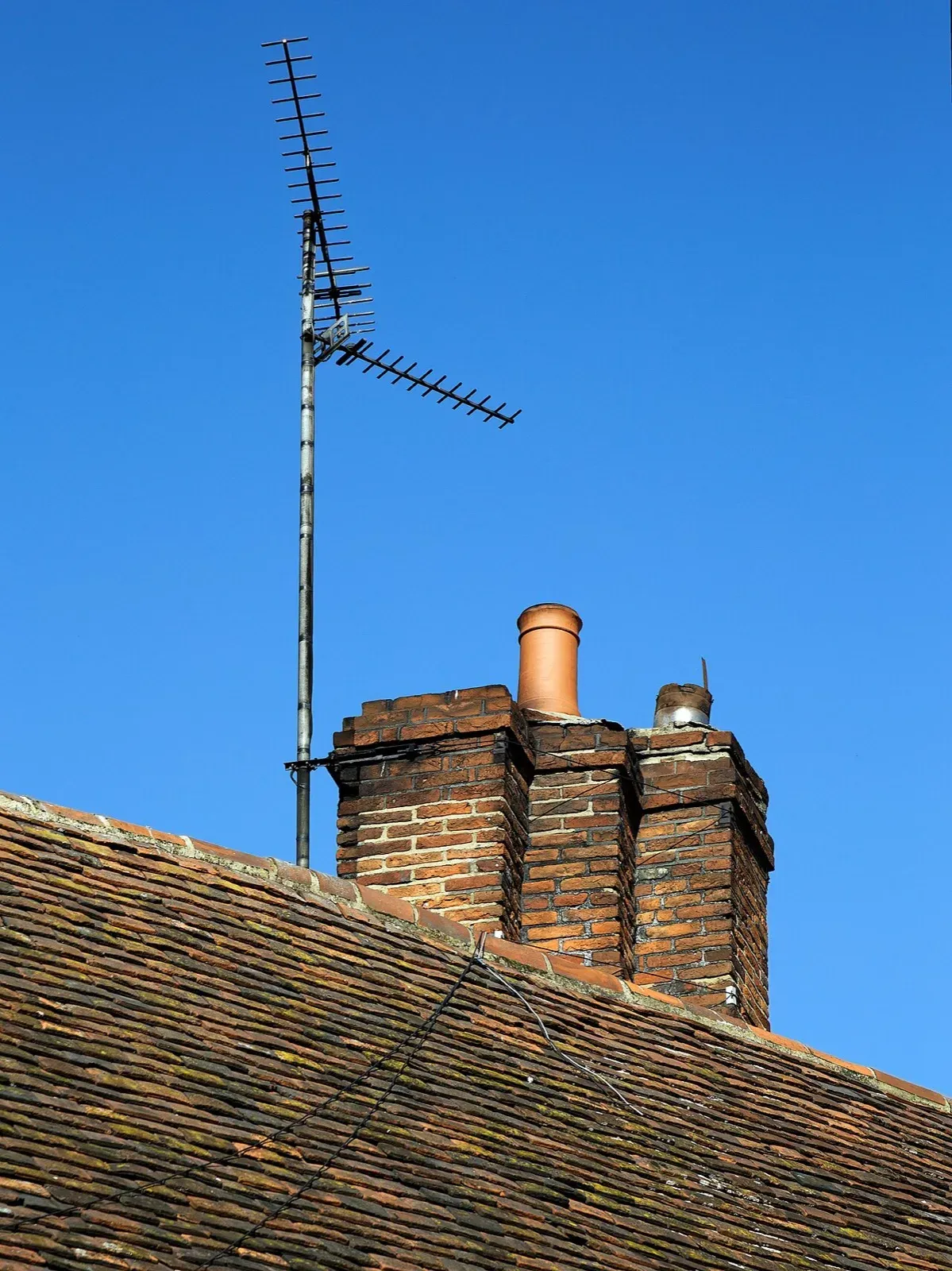
Antenna Lightning Protection: How to Ground a TV Antenna, Dish or Starlink Mast
Outdoor antennas and dishes are often the highest metal on a house, with a cable straight to the TV. Here's what NEC Article 810 requires, how to ground a mast and dish, and how antennas tie into a lightning protection system.
-
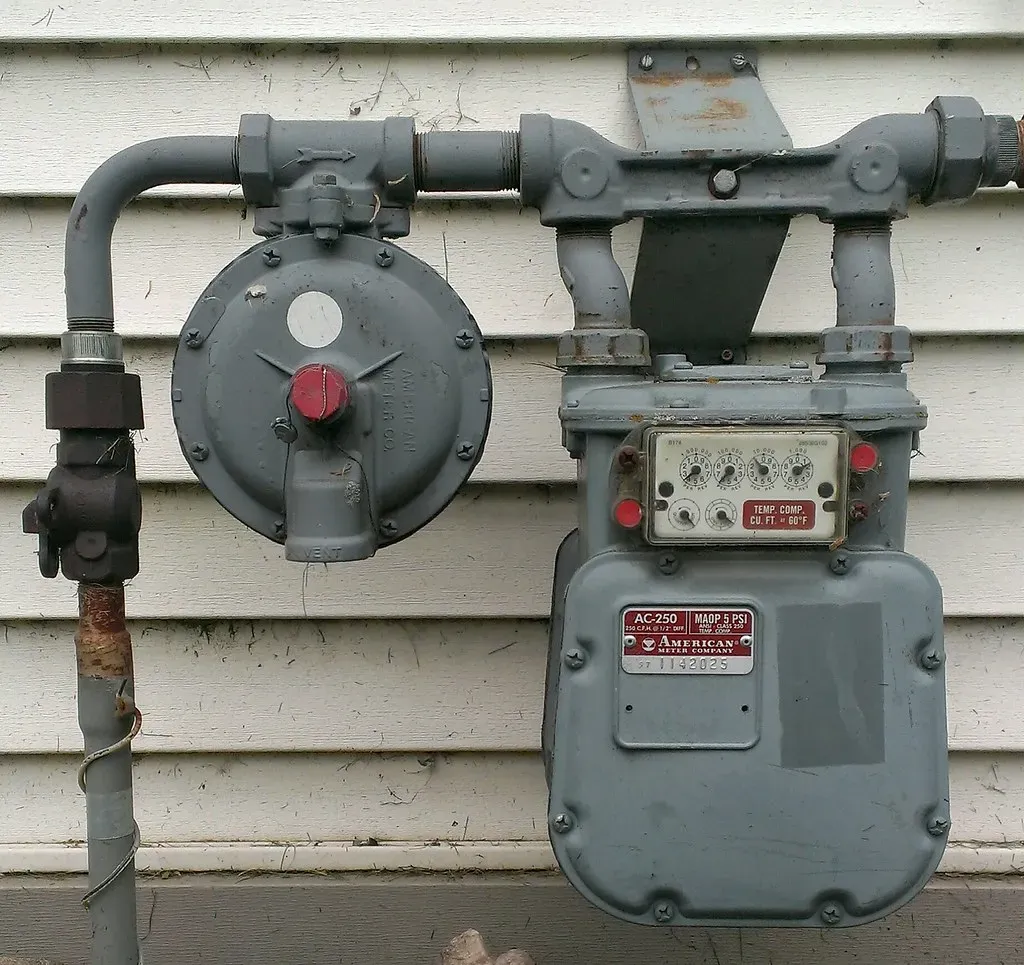
CSST Bonding and Lightning: What the Code Requires and What It Leaves Out
Yellow CSST gas tubing has to be bonded with a 6 AWG copper jumper, but fire officials say bonding alone hasn't stopped lightning fires. Here are the code rules, yellow vs black CSST, and where a lightning protection system fits.
-
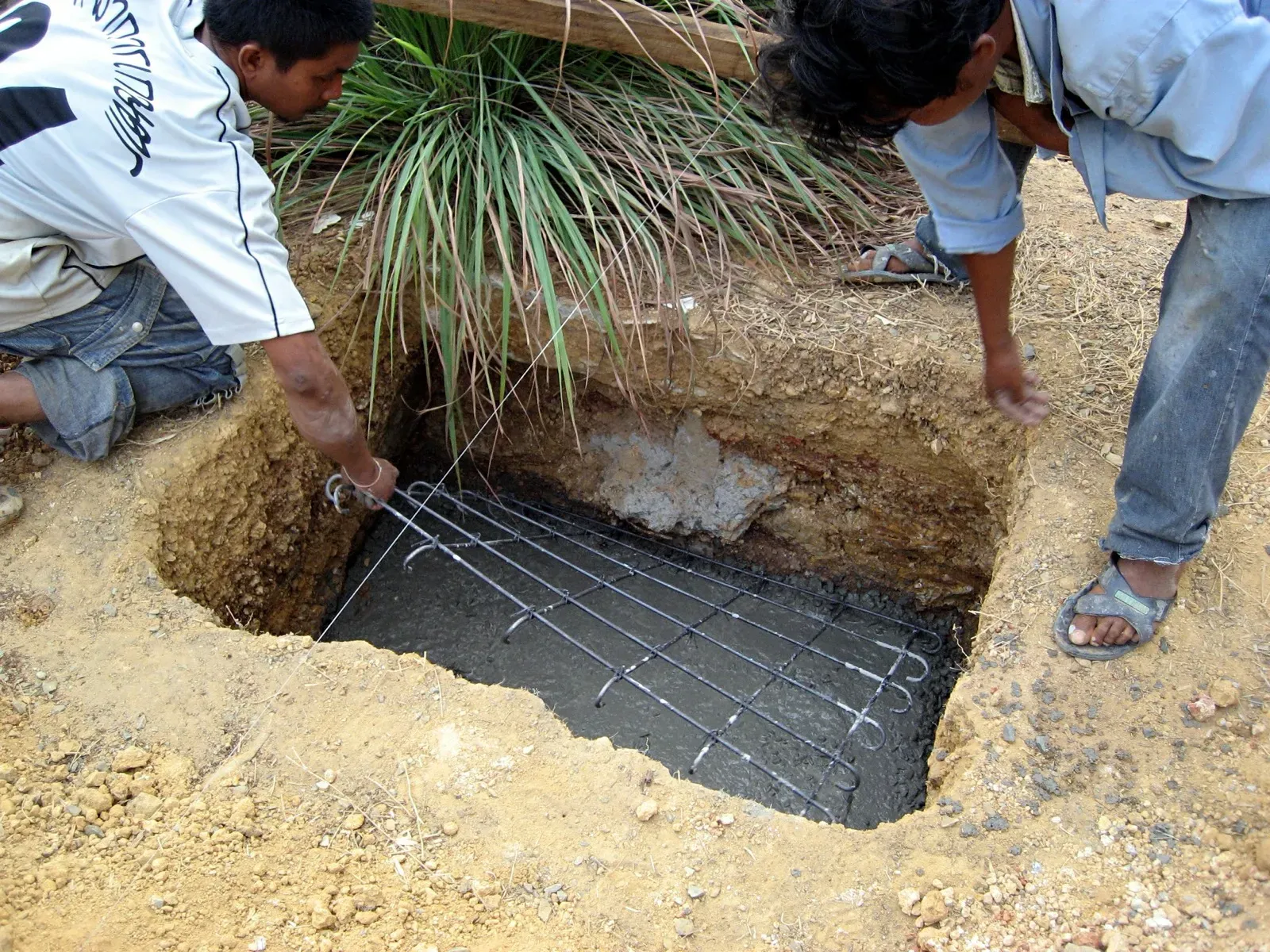
Ufer Ground and Lightning Protection: What a Footing Can Do
A Ufer ground is a grounding electrode cast into a footing. Here is when it counts as a lightning protection electrode, what UL and NFPA 780 require, and what to settle with your builder before the pour.
-
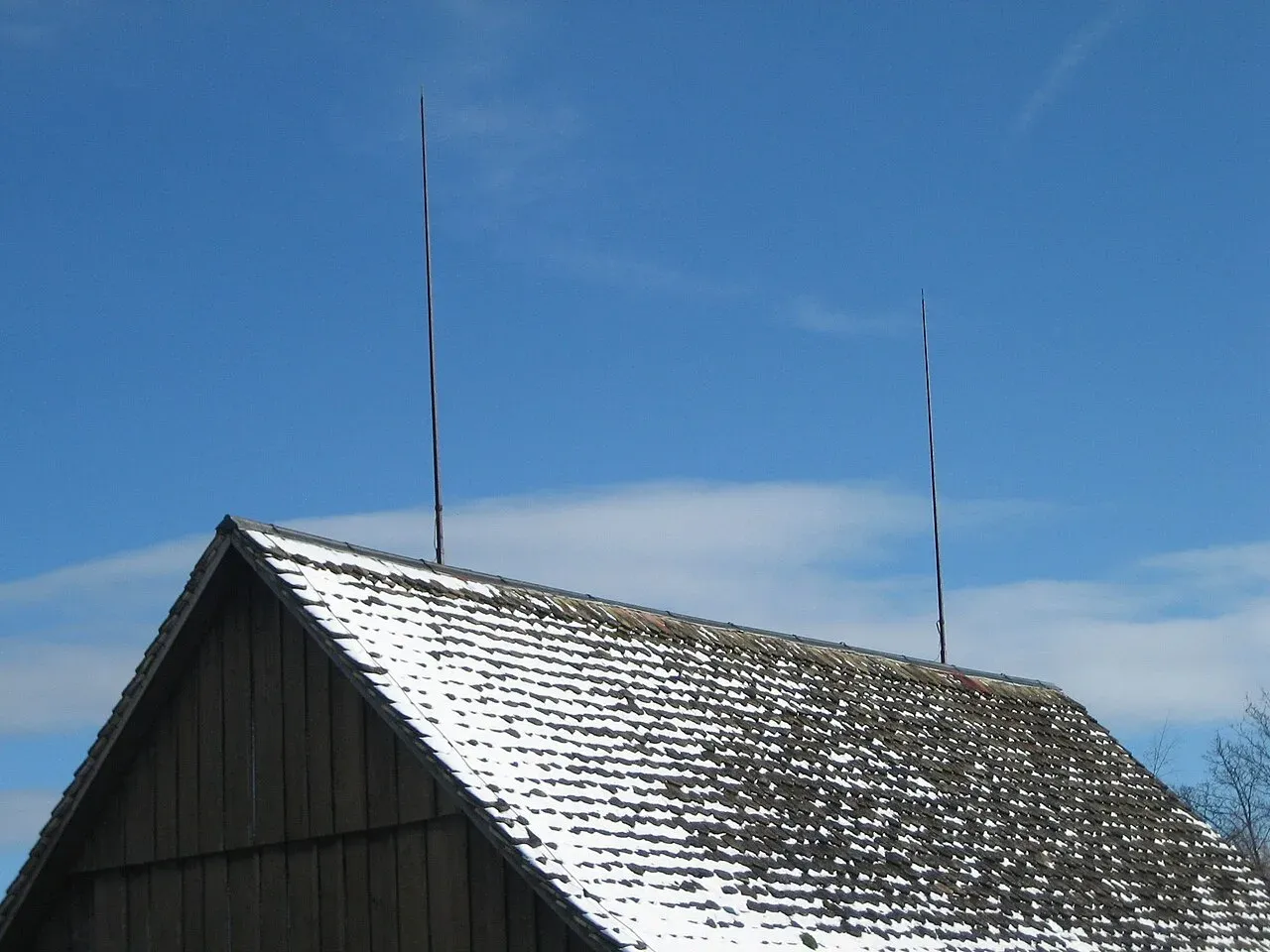
Lightning Rod Balls: What the Glass Globes Mean and Whether Old Rods Still Protect
Glass lightning rod balls were sold farm to farm from the 1870s to the Depression. They're collectible today, but the system under them may not protect anything. Here's how to tell, and what to keep.
-
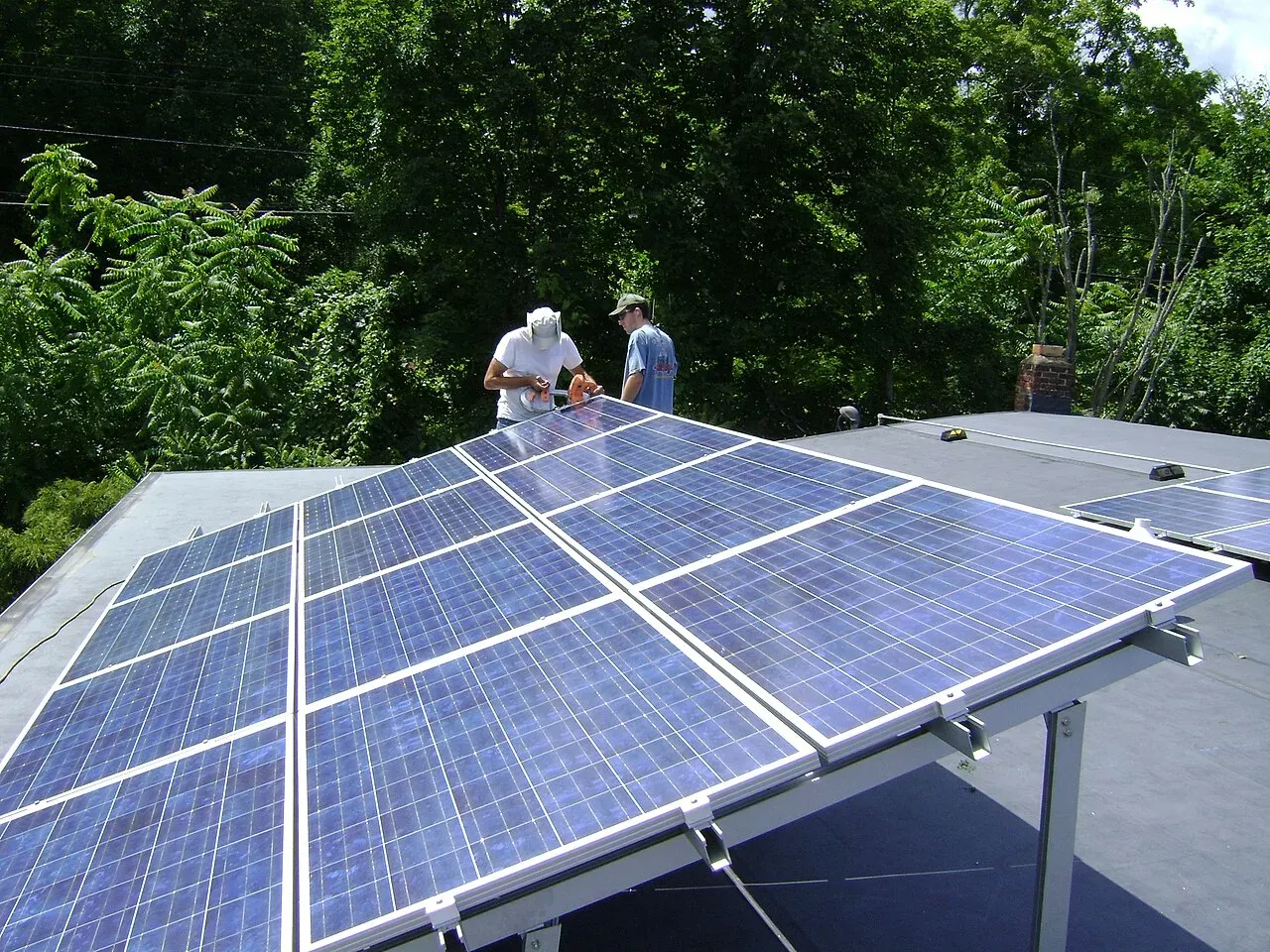
Do Solar Panels Attract Lightning? Protecting Rooftop and Ground-Mount Arrays
Solar panels don't draw lightning to a roof, but a strike on or near an array can still damage it and the building. Here's what NFPA 780 covers for solar arrays and what to do when panels go on a roof that already has a lightning protection system.