
Our Articles, page 4
-
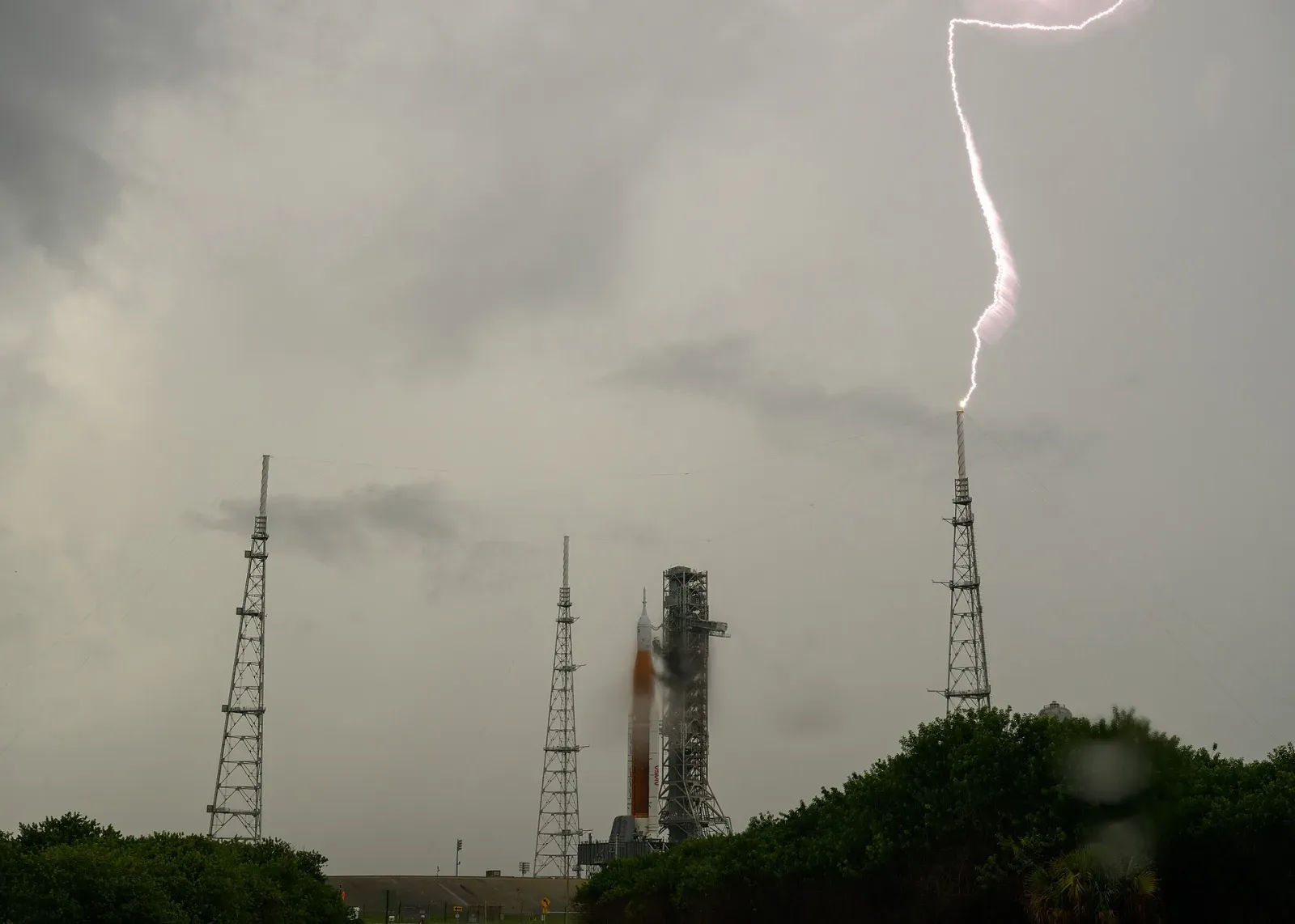
How Does a Lightning Rod Work? The Science in Plain English
What a lightning rod is, how a strike actually connects to it, what Benjamin Franklin got right and wrong, and why the rod only works as part of a grounded, bonded system.
-
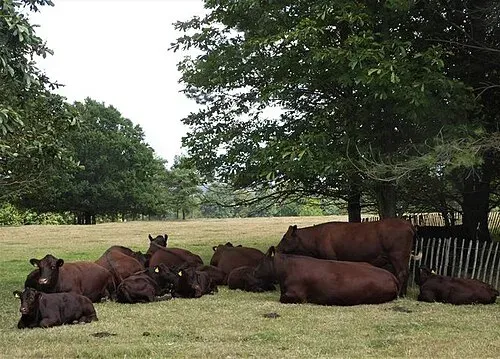
Cow Struck by Lightning: How Livestock Get Killed and How to Protect Barns, Fences and Herds
Most livestock lightning deaths come from ground current, charged fences and trees, not direct hits. Here's how it happens, how to protect barns and fence lines, and what to document if you lose an animal.
-
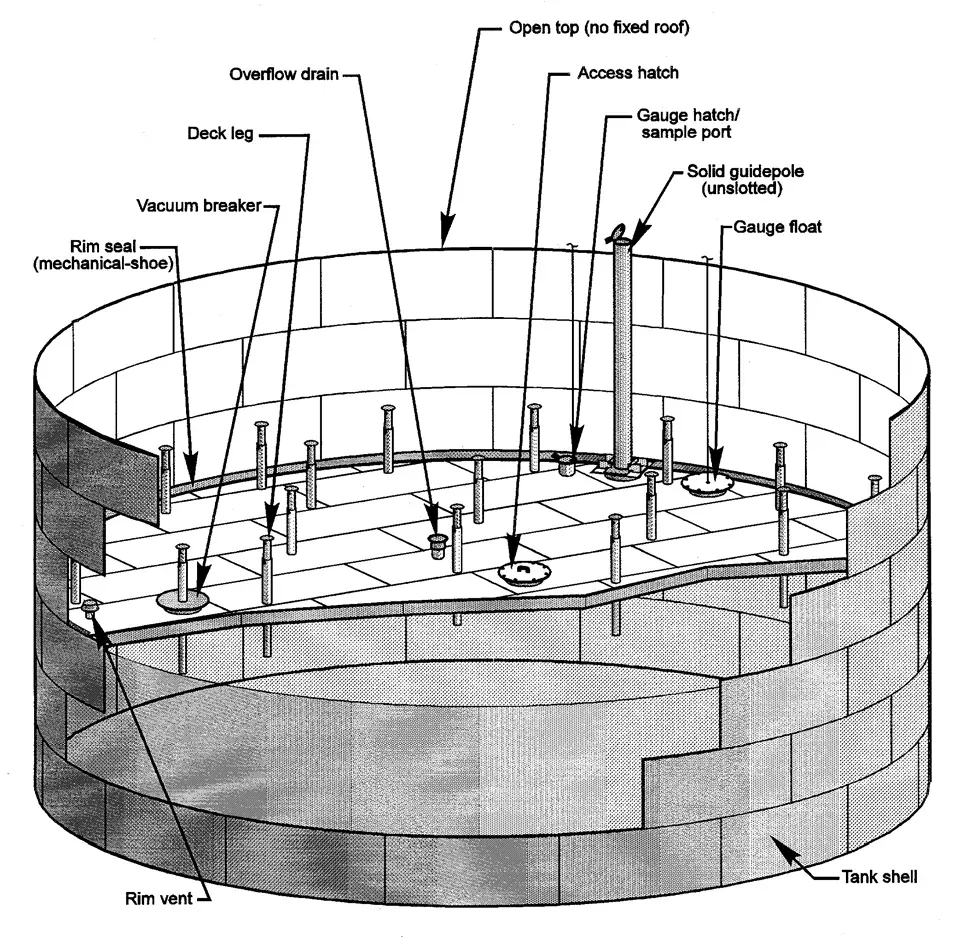
Floating Roof Tanks and Lightning: Shunts, Seals and API RP 545
Floating roof tanks are especially exposed to lightning, and most rim seal fires on record were started by it. Here's how external and internal floating roofs differ, why shunts arc, what API RP 545 recommended, and what to check.
-
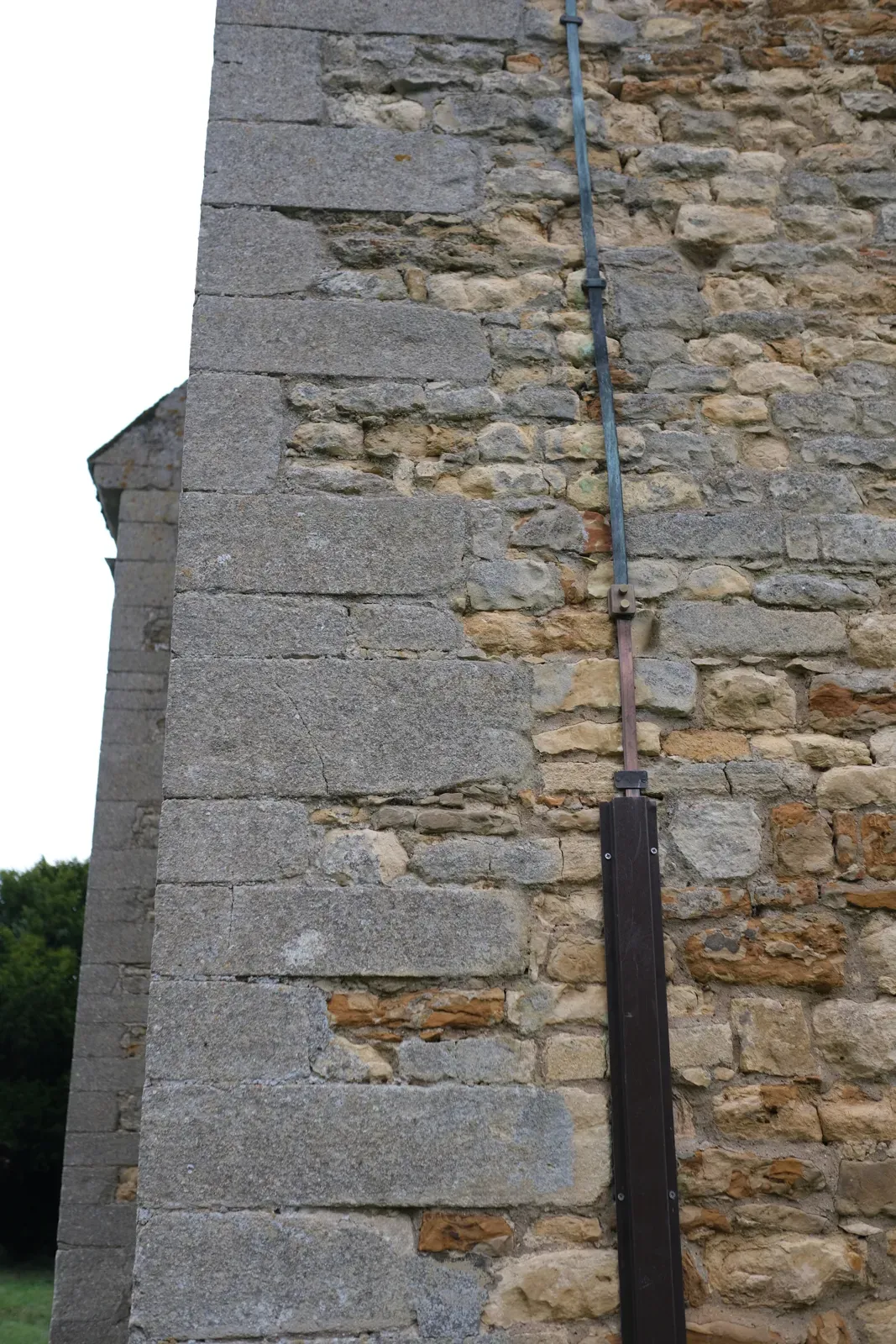
When Should You Have Your Lightning Protection System Re-Inspected?
Routine inspections help ensure your lightning protection system continues to perform as intended.
-
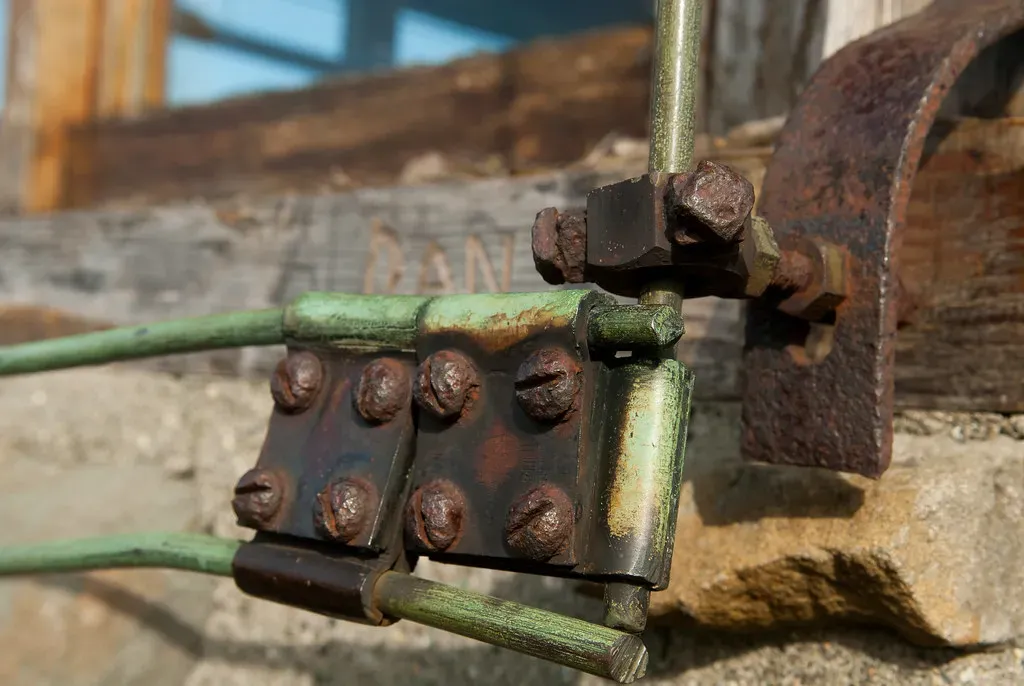
Common Problems Found During Lightning Protection Inspections
Loose or disconnected conductors, corrosion, damaged air terminals and grounding issues are among the problems a lightning protection inspection can find.
-
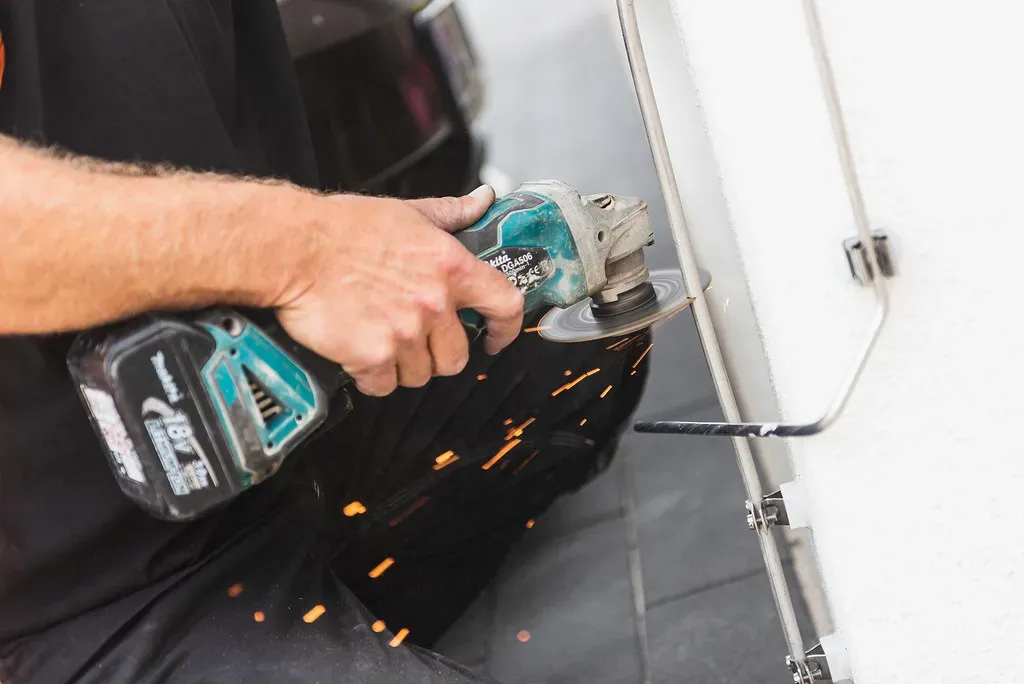
How Often Should Commercial Lightning Protection Systems Be Inspected?
How often should commercial lightning protection systems be inspected? Routine inspections help identify damaged components, corrosion, loose connections, grounding issues, and changes that may affect system performance. Learn why establishing the right lightning protection inspection frequency is important for protecting commercial and industrial facilities from lightning-related damage and downtime.
-
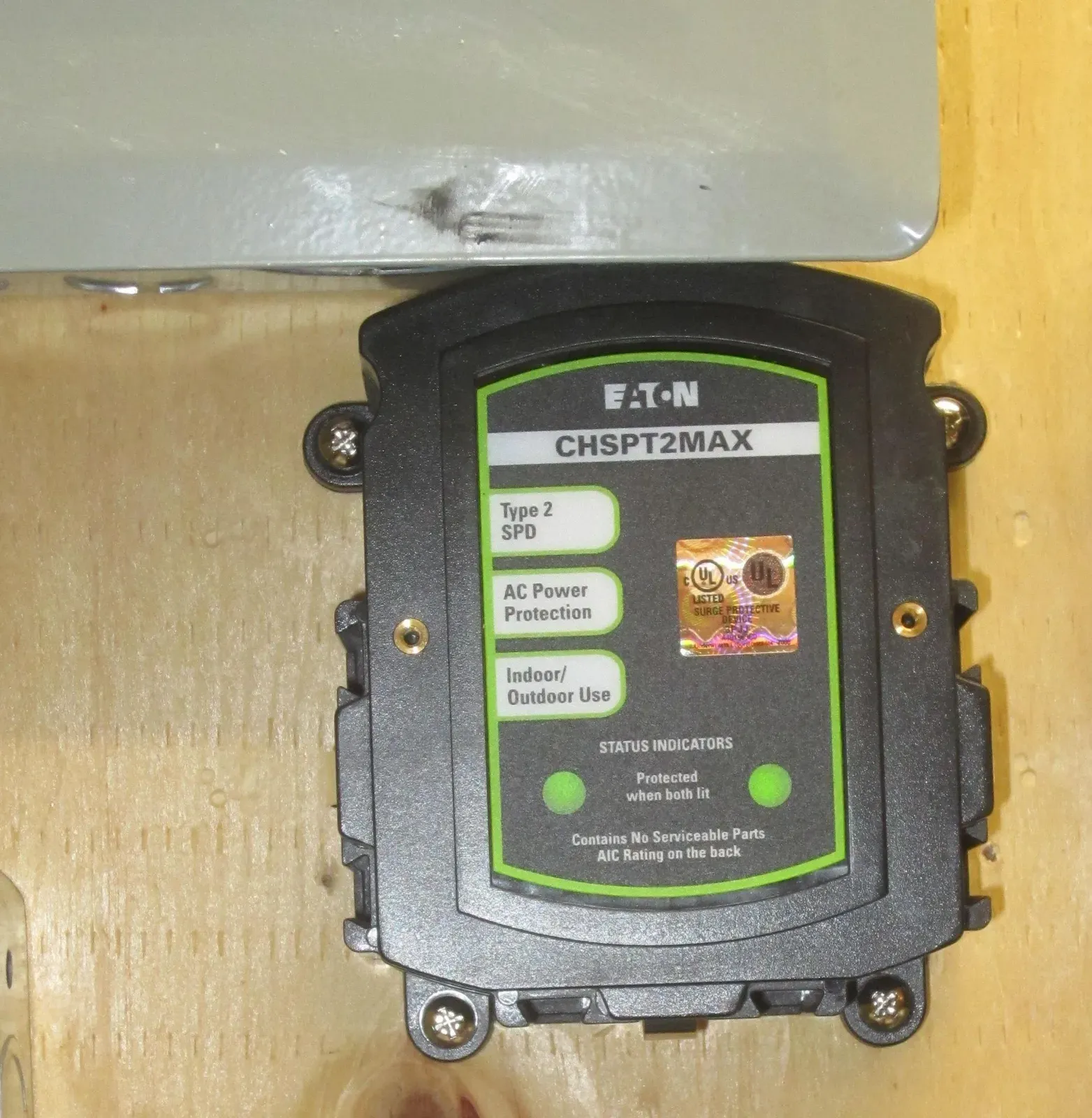
The Difference Between Surge Protection and Lightning Protection
Many homeowners believe a whole-home surge protector provides complete protection against lightning, but surge protection and lightning protection serve different purposes. Surge protectors help reduce electrical voltage spikes, while a professionally installed lightning protection system safely intercepts and redirects lightning strikes away from your home. Understanding the difference can help protect your property, electronics, appliances, and electrical system from costly storm damage. Learn why combining both systems provides the best defense against severe weather.
-
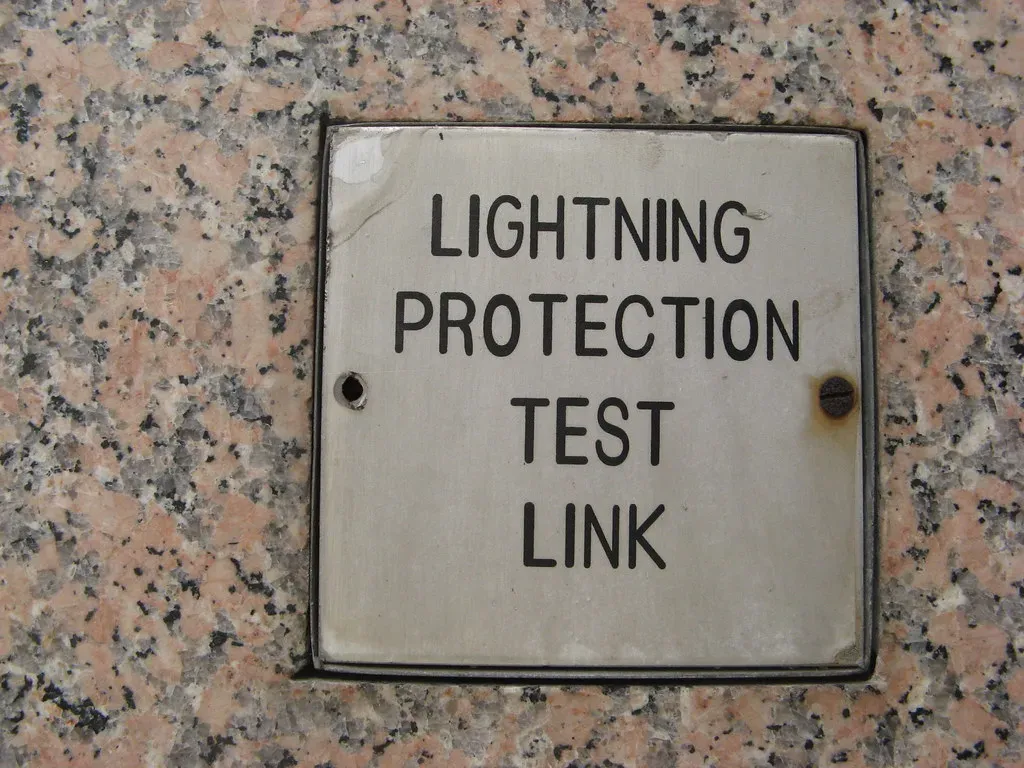
What Is Tested During a Lightning Protection Inspection?
Professional lightning protection inspections help ensure every part of your system is working properly before severe weather strikes. From lightning rods and conductors to grounding connections, surge protection devices, and system continuity, routine inspections help identify damage, corrosion, loose hardware, and performance issues early.
-
Do Surge Protectors Protect Your Home from Lightning?
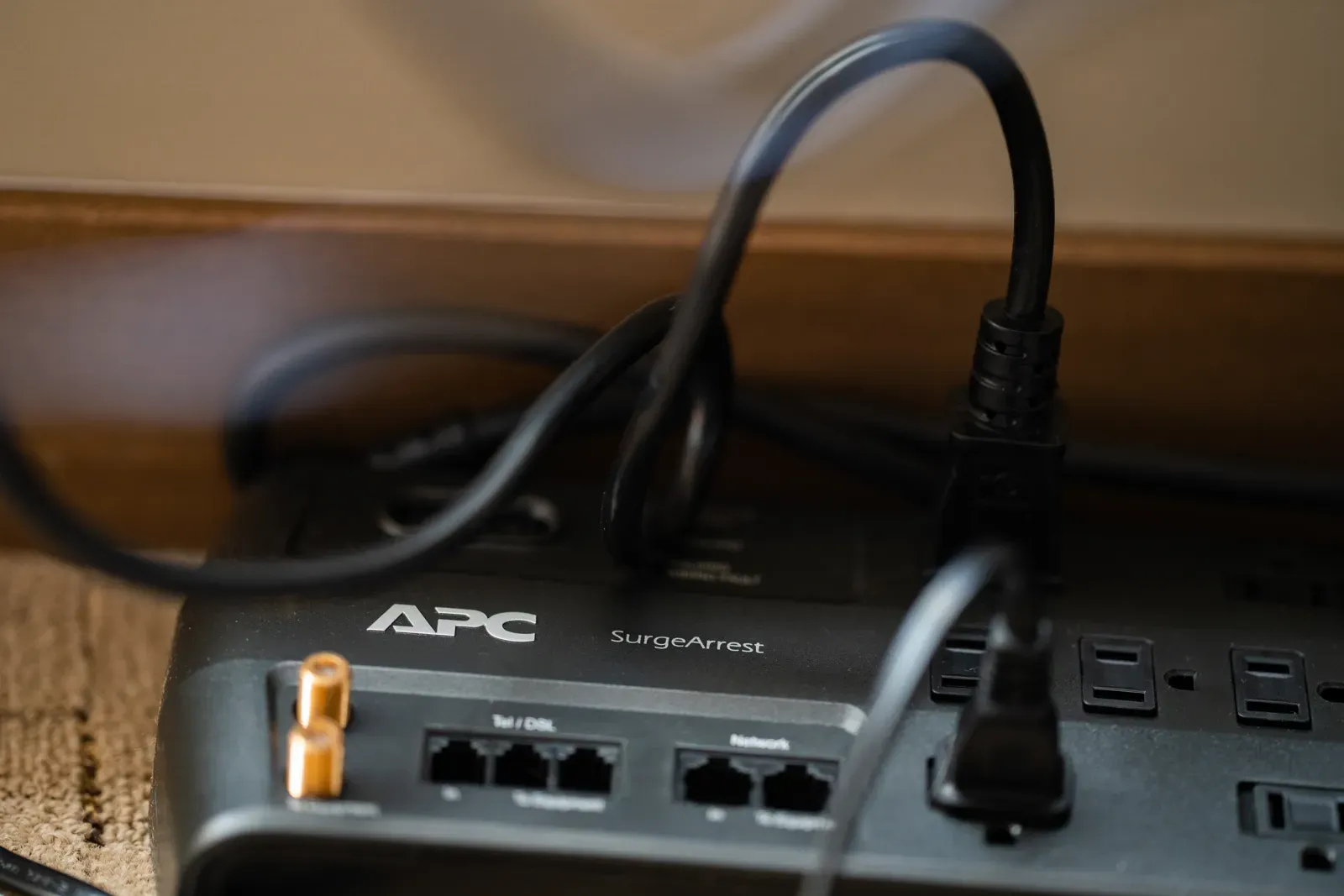
Many homeowners believe a surge protector alone will protect their home from lightning, but that's only part of the solution. Learn how whole-home surge protection works, what it can and cannot do, and why combining surge protection with a professionally installed lightning protection system provides the best defense against lightning strikes, electrical surges, and costly damage to your home's electrical systems and valuable electronics.
-

Common Myths About Home Lightning Protection Systems
Many homeowners believe lightning protection systems are unnecessary or only needed for certain homes. In reality, lightning strikes can damage electrical systems, appliances, and structural components during severe storms.
-
Benefits of Professional Lightning Protection Inspections for Industrial Facilities
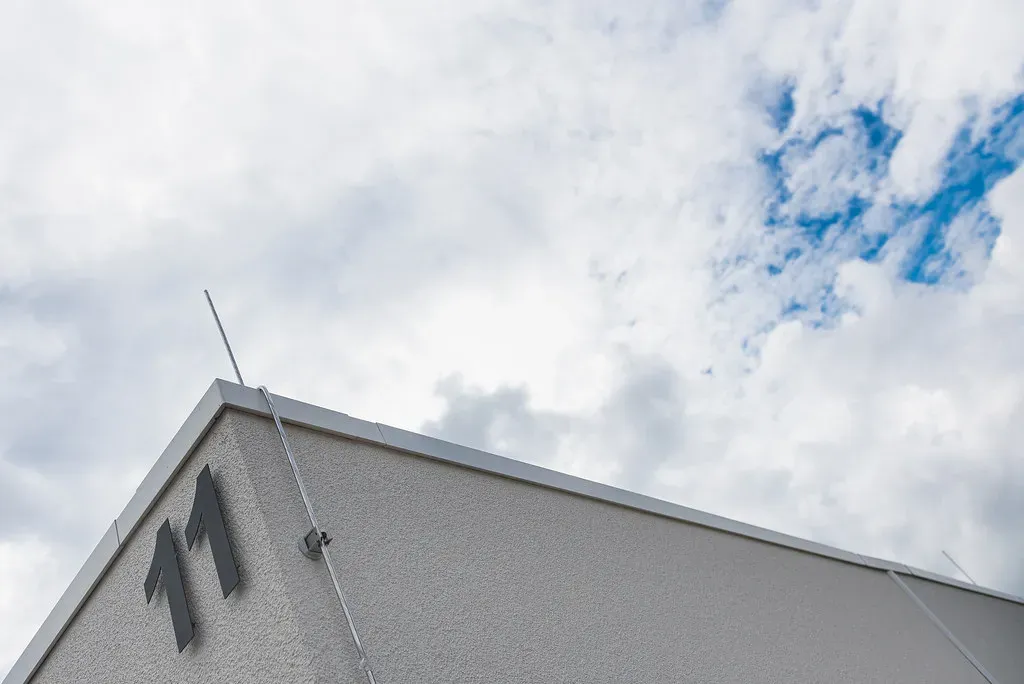
Many industrial facilities assume their lightning protection system will work when needed—but damaged grounding systems, corroded components, loose connections, or failed surge protection devices can leave your operation vulnerable to costly equipment damage, downtime, and safety risks.
-
Why Commercial Lightning Protection Is Essential for Colorado Businesses
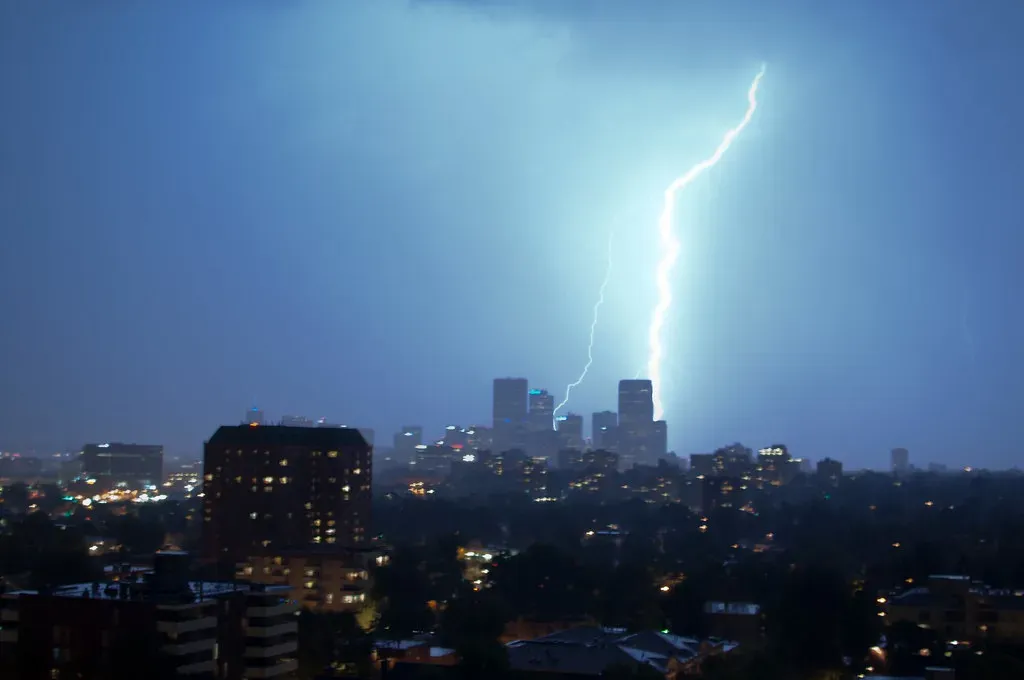
A professionally designed lightning protection system helps safeguard your business by safely directing lightning energy into the ground before it can damage your property or critical infrastructure. From office buildings and warehouses to manufacturing facilities and industrial sites, lightning protection is a smart investment in long-term safety and operational continuity.