Does Homeowners Insurance Cover Lightning Strikes? What's Covered and How to Document a Claim
By Site Safe Lightning Protection 6 min read
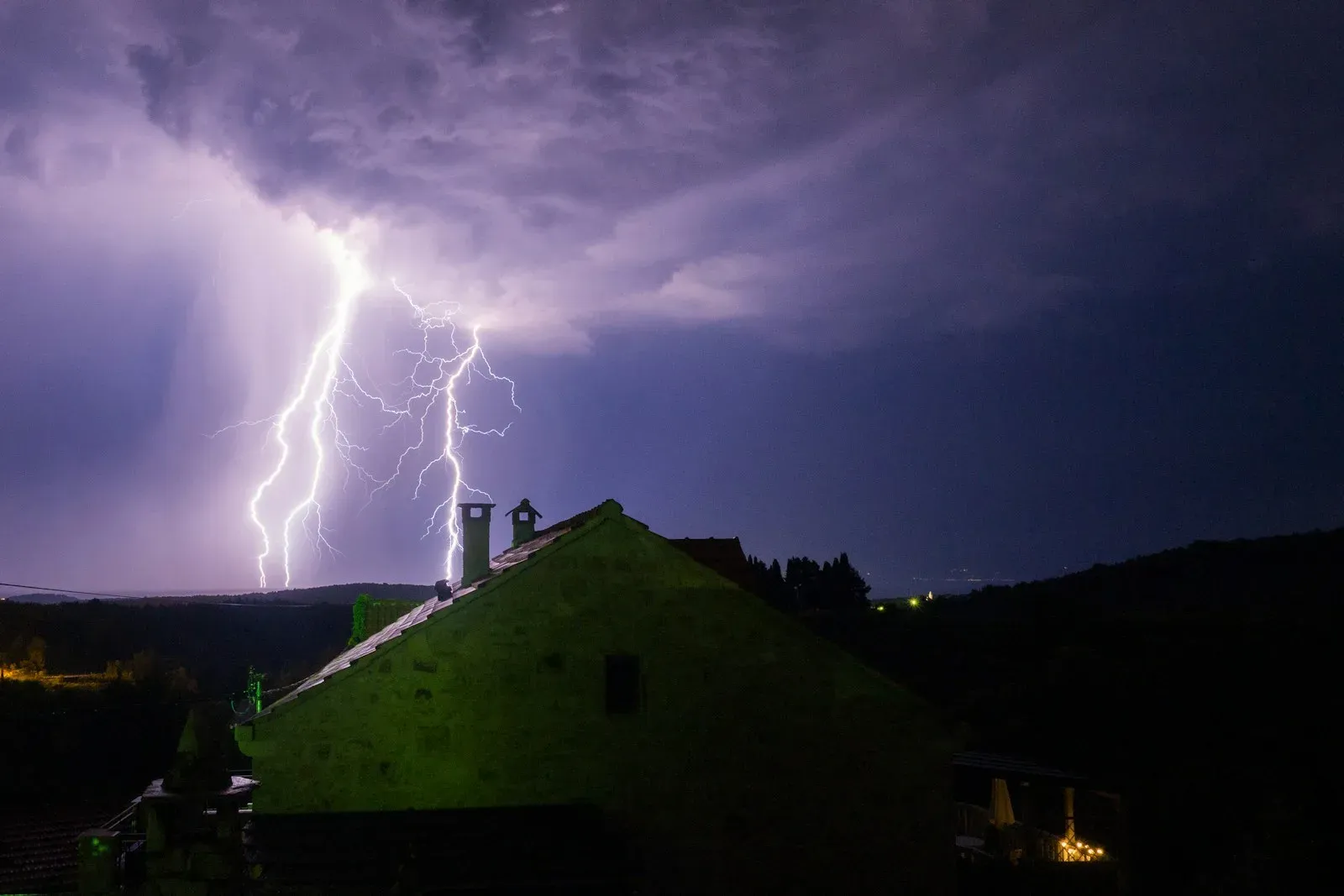
Yes. Standard homeowners policies generally cover damage caused by lightning, including fire. Some also cover power surges when the surge is directly tied to a lightning strike (Triple-I). The details that decide how smoothly a claim goes are your policy wording, your deductible, and how well you document what happened.
This isn’t legal or insurance advice. Your policy and your agent have the final word. What follows is what the claim data shows and what we see on houses after a strike.
What the 2025 lightning claim numbers show
The Insurance Information Institute (Triple-I) publishes lightning claim data every June for National Lightning Safety Awareness Week. The 2025 numbers, released in June 2026, were the worst in years:
| Measure (US homeowners, 2025) | Figure | Change vs 2024 |
|---|---|---|
| Total paid | $1.65 billion | Up 59% |
| Number of claims | 61,986 | Up 11.6% |
| Average cost per claim | $26,616 | Up 42.8% |
| Average claim, 2017 | $10,781 | Up 146.9% over eight years |
Source: Triple-I facts and statistics and its 2026 release as reported by Reinsurance News.
State by state, Florida had the most claims (5,167), California was second, and Texas was third with 4,188. Texas had by far the largest losses: about $252.9 million, an average of $60,382 per claim, the highest among the top ten states (III). Triple-I’s CEO tied the rising averages to reconstruction costs, inflation and the growing value of technology inside homes (Reinsurance News).
Triple-I also notes that lightning losses are probably undercounted. When a strike starts a fire, the claim may be recorded as a fire loss rather than a lightning loss.
What homeowners insurance usually covers after a lightning strike
Triple-I describes the typical losses from a strike: fire, electrical damage, power surges, and damage to appliances and other personal property. In severe cases a claim can include rebuilding, temporary housing, debris removal and replacing belongings (Reinsurance News).
In policy terms, that usually maps to:
- The house itself (roof, framing, chimney, wiring) under dwelling coverage
- Detached structures such as a shop or barn under other-structures coverage
- Belongings and electronics under personal property coverage
- Hotel and living costs while the house is unlivable, under loss-of-use coverage
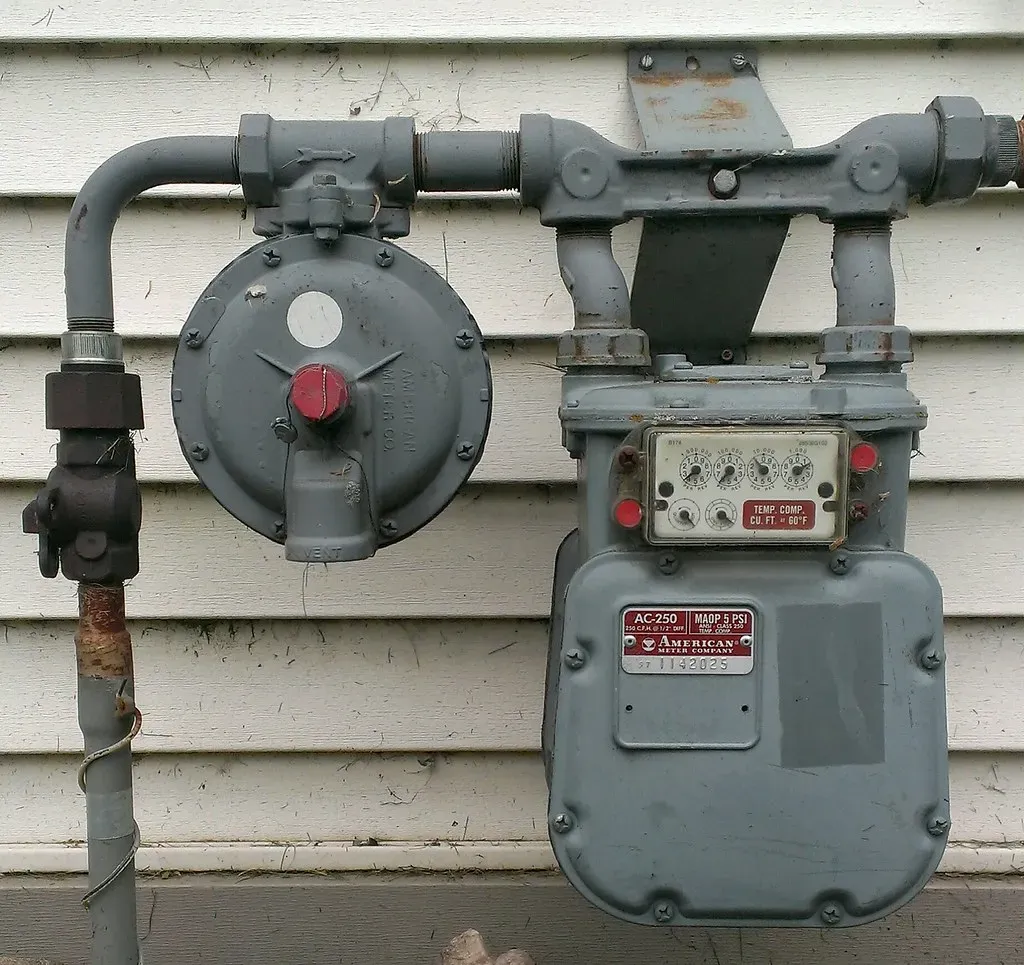
The gray area is surge damage. A strike nearby can send a surge through the power, cable or phone lines without hitting your house at all. The NWS notes that lightning can enter a structure through wires or pipes that extend outside it, or through the ground (NWS). State Farm said in 2024 that ground surges caused nearly half of all its lightning claims (Triple-I). Whether surge damage without a direct strike is covered depends on the policy. Read the surge and electrical damage wording, or ask your agent before storm season.
What’s often not covered, or not in full
- Damage below the deductible. A few dead electronics may cost less than your deductible.
- Wear and maintenance problems that existed before the strike.
- Separate perils. Flooding from the same storm is a different kind of loss with its own coverage rules. Ask your agent how your policy treats it.
- Business equipment at home may have low limits under a homeowners policy.
Hidden damage to check before you call it done
A strike doesn’t always leave a scorch mark you can see from the yard. NFPA fire data shows why the checks matter: in 2002–2005, only 16% of reported lightning fires were in homes, but those home fires accounted for nearly all of the related civilian deaths and 58% of the property damage (NFPA, Ahrens). Home fires from lightning are less frequent but far more serious.
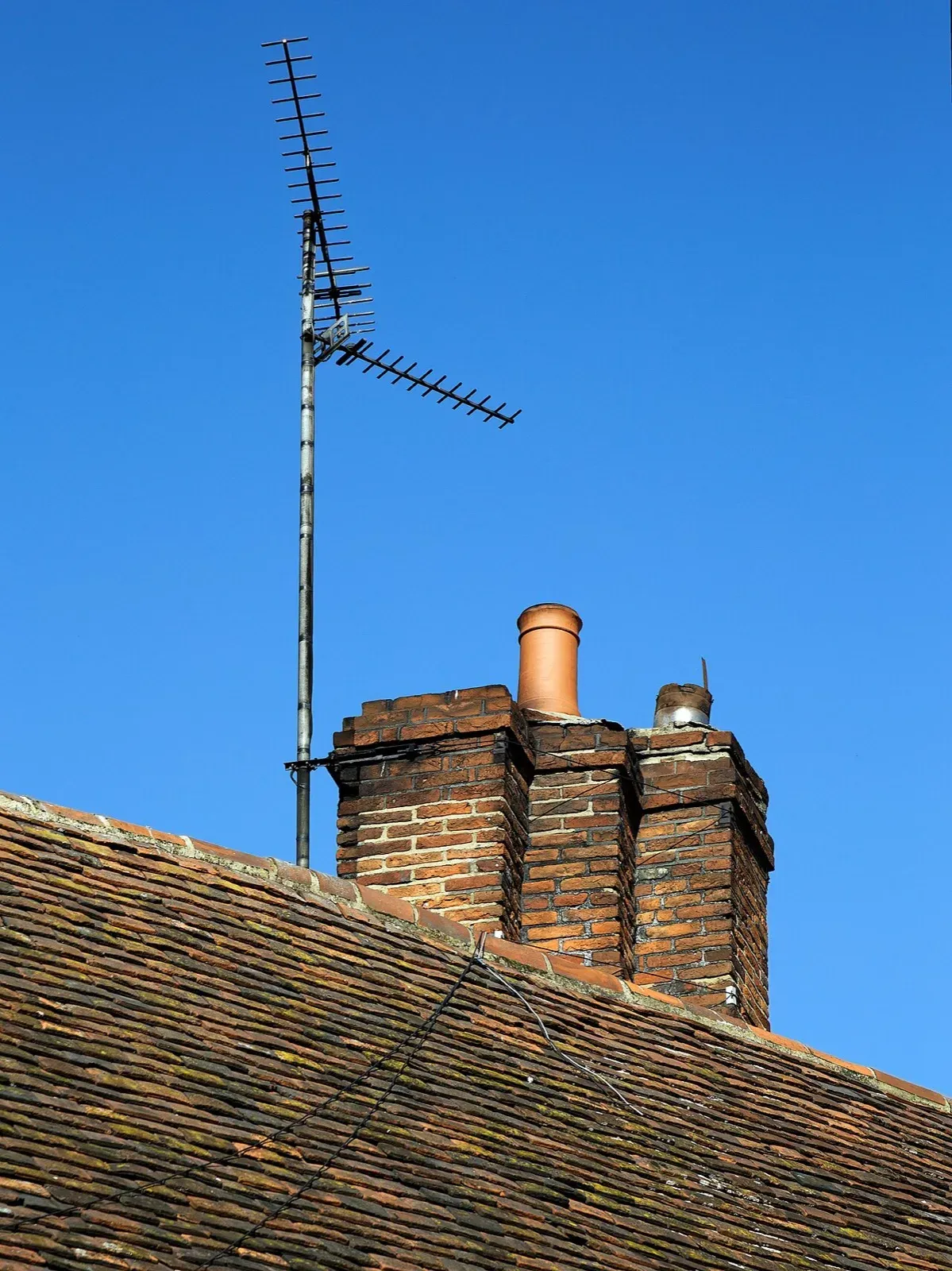
The Lightning Protection Institute passes on a state fire marshal’s advice to check enclosed spaces like the attic and basement right away, even if no smoke alarm is sounding (LPI). LPI also lists the paths strikes take into homes, including chimneys and dormers, roof projections such as antennas and satellite dishes, utility lines, nearby trees, and metal piping including CSST gas line. If you smell gas or smoke, leave the house and call the fire department first. The insurance call can wait.
Our article on the signs your house was struck by lightning walks through the full check, room by room.
Documentation checklist for a lightning strike insurance claim
Good documentation is what turns “my TV died during the storm” into a paid claim. Start the same day if you can.
- Safety first. Fire department for any smoke, burning smell or gas odor. An electrician for tripped main breakers or outlets that are warm or scorched.
- Write down the time and date of the storm and, if you heard or saw it, the strike.
- Photograph everything before cleanup: roof, chimney, siding, attic, panel, damaged outlets and devices. Take wide shots and close-ups.
- List damaged items with brand, model, age and where they were plugged in. Keep the dead equipment until the adjuster says you can toss it.
- Get written repair assessments. Electricians, HVAC techs and appliance repair techs can note “consistent with lightning or surge damage” on an invoice.
- Pin down the time. Lightning detection networks such as Vaisala’s log strikes by time and location (Vaisala), so an exact time makes it easier to confirm a strike near your address if your adjuster checks.
- Prevent further damage with reasonable steps, such as tarping a damaged roof, and keep the receipts.
- Have any lightning protection system inspected and keep the report.
- Call your insurer or agent promptly and get a claim number.
Where a lightning protection system fits into a claim
If your house has a lightning protection system, a strike is a reason to have it inspected. Conductors, connections and bonds can be damaged by the current they carried, and a damaged system may not perform the next time. An inspection report also gives your adjuster a professional record of what the strike hit and where the current went.
If the system was certified, remember certificates have limits. A UL Master Label Certificate, for example, is valid for five years from issue (UL Solutions). Repairs after a strike may need a fresh inspection. Our post on when to have a system re-inspected covers the other triggers.
If your house didn’t have protection, the repair is a natural moment to add it. The roof may already be open, and the attic and walls may be accessible. See what happens when lightning strikes a house without protection.
Will lightning rods lower my insurance premium?
Some insurers may offer credits for protective features, but it varies by company and state. Ask your agent directly, and if they offer a credit, ask what documentation they need. A third-party certificate is the clearest proof that a system was installed to a recognized standard.
Get your system checked after a storm
If lightning hit your house or a nearby tree, or you have an older system you’ve never had inspected, contact Site Safe Lightning Protection. We inspect existing systems, document what we find, and install new systems for homes. Learn more about our residential lightning protection services.
Talk to Site Safe Lightning Protection about your property.
Frequently asked questions
Does homeowners insurance cover lightning damage to electronics?
Usually, under personal property coverage, when the damage comes from a lightning strike. Some policies cover surge damage only when it's directly linked to a strike, so check the wording. Keep the damaged devices until the adjuster has seen them.
How do I prove lightning hit my house?
Photograph physical damage, note the exact time, get written assessments from electricians or repair techs, and note the exact time so a strike can be matched to lightning detection records. A lightning protection inspection report can also show where the strike attached.
Is a power surge from lightning covered by insurance?
Often, but not always. Triple-I says some homeowners policies cover power surges that are the direct result of a lightning strike. Surges from a nearby strike or from utility problems may be treated differently, so ask your agent.
How much does the average lightning claim cost?
The average US homeowners lightning claim was $26,616 in 2025, according to Triple-I. Texas averaged $60,382 per claim, the highest among the top states.
Should I file a claim for minor lightning damage?
Compare the repair cost with your deductible and ask your agent how a small claim might affect your policy. Even if you don't file, document the damage and check the attic, panel and gas lines for hidden problems.
Sources
- Insurance Information Institute: Facts + Statistics, Lightning
- Reinsurance News: Triple-I reports significant increase in US lightning-related insurance losses during 2025
- Triple-I press release: Lightning caused $1.04B in US homeowners claim payouts in 2024
- National Weather Service: Lightning Safety When Inside
- Lightning Protection Institute: What Homeowners Need to Know About Lightning and Its Fire Risk
- NFPA: Lightning Fires and Lightning Strikes (Ahrens, 2008)
- Vaisala Xweather Annual Lightning Report 2025 (press release)
- UL Solutions: Lightning Protection Installer and Master Label Certificate Program
Image credits
- Lightning bolts striking behind a house at night during a summer storm. Photo: Ante Hamersmit / Unsplash (source), Unsplash License.