Lightning Rod Installation Cost for Homes: 2026 Price Ranges and What Drives Them
By Site Safe Lightning Protection 6 min read
National cost surveys put lightning rod installation for a home at roughly $450 to $2,700, with Angi reporting an average of about $1,566 in 2026 (Angi). Those numbers are a starting point, not a quote. The real driver of lightning rod installation cost is how many air terminals, how much cable and how much grounding and bonding your particular house needs, and survey tables that price “per rod” tend to undercount all three.
The ranges below come from third-party consumer surveys. They’re not Site Safe Lightning Protection prices.
What national surveys say lightning rods cost
| Source (2026) | What it measured | Range | Notes |
|---|---|---|---|
| Angi, national | Lightning protection system, materials and labor | $449 to $2,695 (average about $1,566) | Suggests budgeting 10% to 20% extra; surge protectors $150 to $700 |
| Angi, Dallas TX | Same, local data | $1,417 to $3,889 (average $2,653) | Aluminum rods $55 to $95 each |
| HomeGuide | Lightning rod installation | $500 to $2,500 | Complete system $700 to $3,500 |
| HomeGuide, by home size | Small (2–3 rods) / medium (3–4) / large (4–6) | $500–$1,200 / $1,000–$1,800 / $1,500–$2,500 | Grounding $100 to $500; conductor cable $100 to $400 |
Sources: Angi national, Angi Dallas, HomeGuide.
Two things stand out. Dallas runs well above the national average, which tracks with bigger homes and more storms. And the “2 to 6 rods” counts in the size table look low next to what the installation standard calls for.
Why “cost per rod” undercounts a real house
NFPA 780 sets where air terminals go. In the 2023 edition, terminals must sit within 24 inches of each ridge end and no more than 20 feet apart along the ridge, and chimneys and other roof objects outside the protected zone need their own (NFPA 780).
Here’s a simple illustration, not a design:
- Main ridge, 50 feet. One terminal 2 feet in from each end leaves 46 feet between them. At 20-foot maximum spacing that needs two more in between. That’s 4 terminals.
- Garage ridge, 24 feet. One near each end leaves 20 feet. That’s 2 terminals.
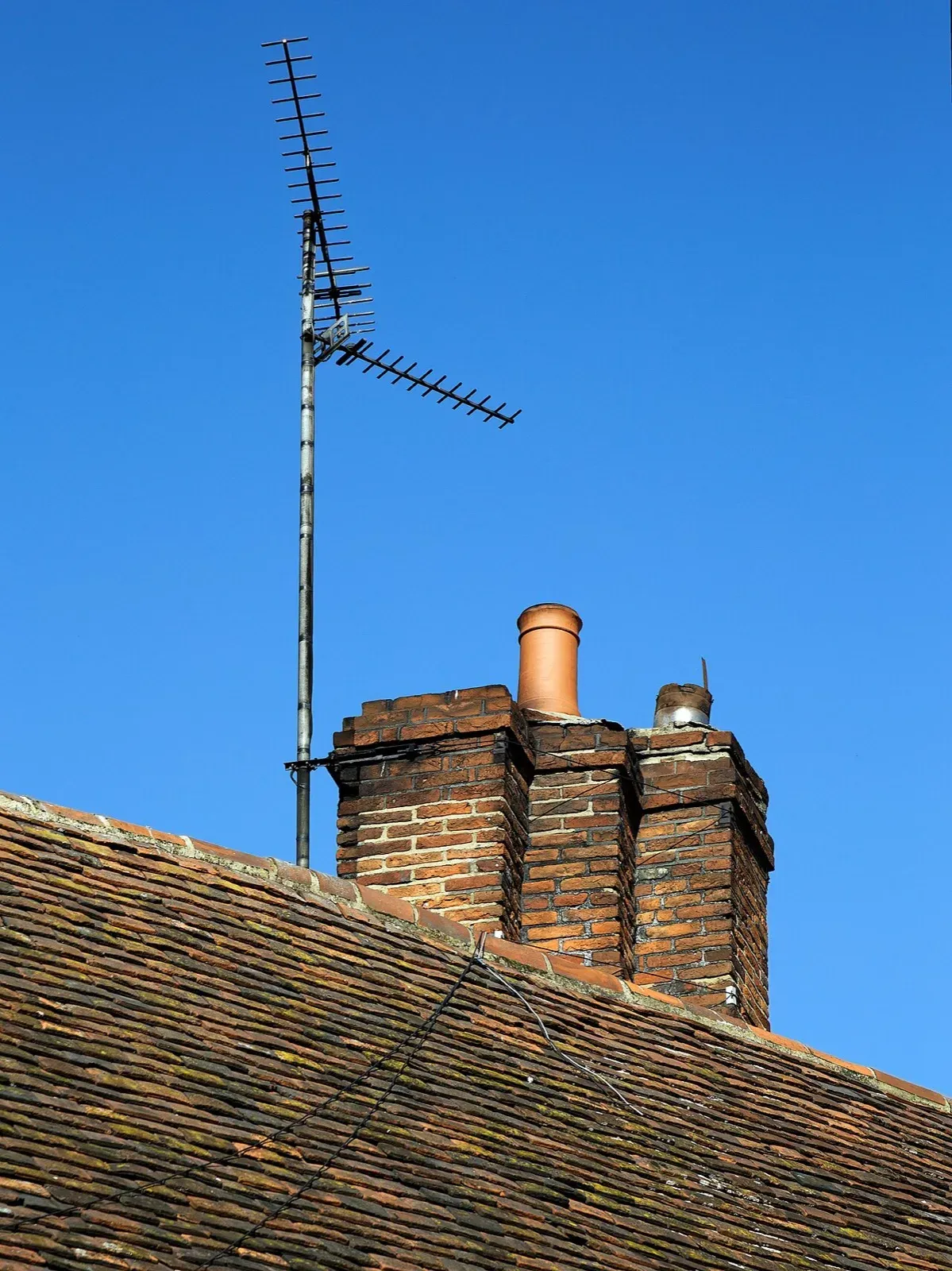
- Brick chimney. At least 1, and a wide chimney may need 2.
That’s 7 or 8 terminals before dormers, hips, vents or a porch roof. Then add the parts that don’t show up in a rod count: at least two down conductors to ground (LPI), ground rods at least 8 feet long (UL guide), bonds to the electrical, water and gas grounds, and surge protection at the panel. A “3-rod” price for a two-story house is usually missing something.
What changes the quote
| Factor | Why it moves the price | Where it shows up in CO / TX / OK |
|---|---|---|
| Roof length and complexity | More ridges, hips, dormers and chimneys mean more terminals and cable | Large ranch homes with long ridgelines; custom homes with many roof planes |
| Roof pitch and height | Steep or tall roofs need more safety setup and time | Two- and three-story homes on Front Range hillsides |
| Concealed vs exposed | Hiding cable in the attic and walls is easiest during construction or a re-roof; a retrofit takes more labor | HOA neighborhoods that care about appearance |
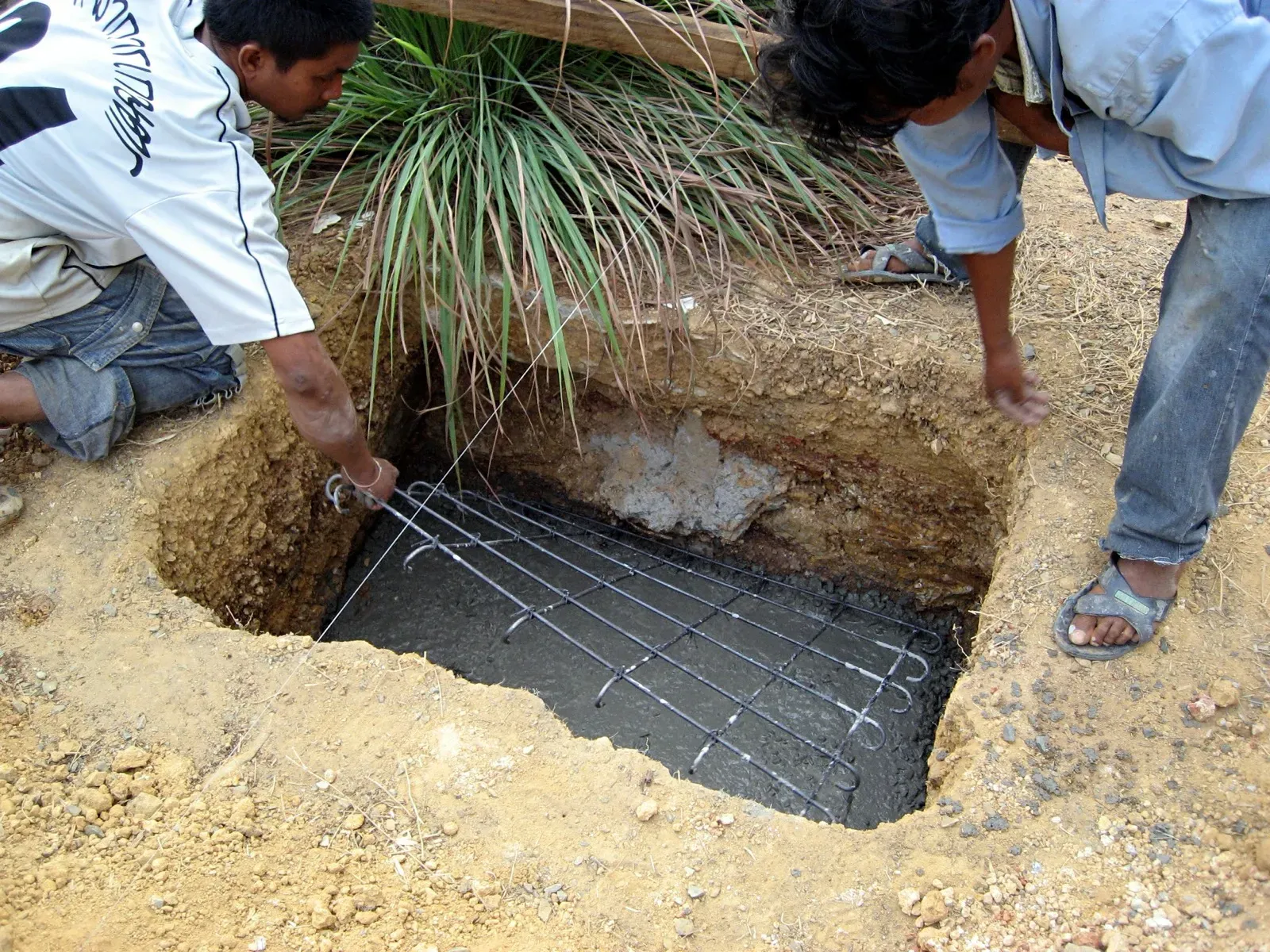
| Grounding conditions | Rock near the surface makes driving 8-foot rods harder, and NFPA 780 has separate provisions for shallow topsoil | Foothill and mountain lots with shallow rock |
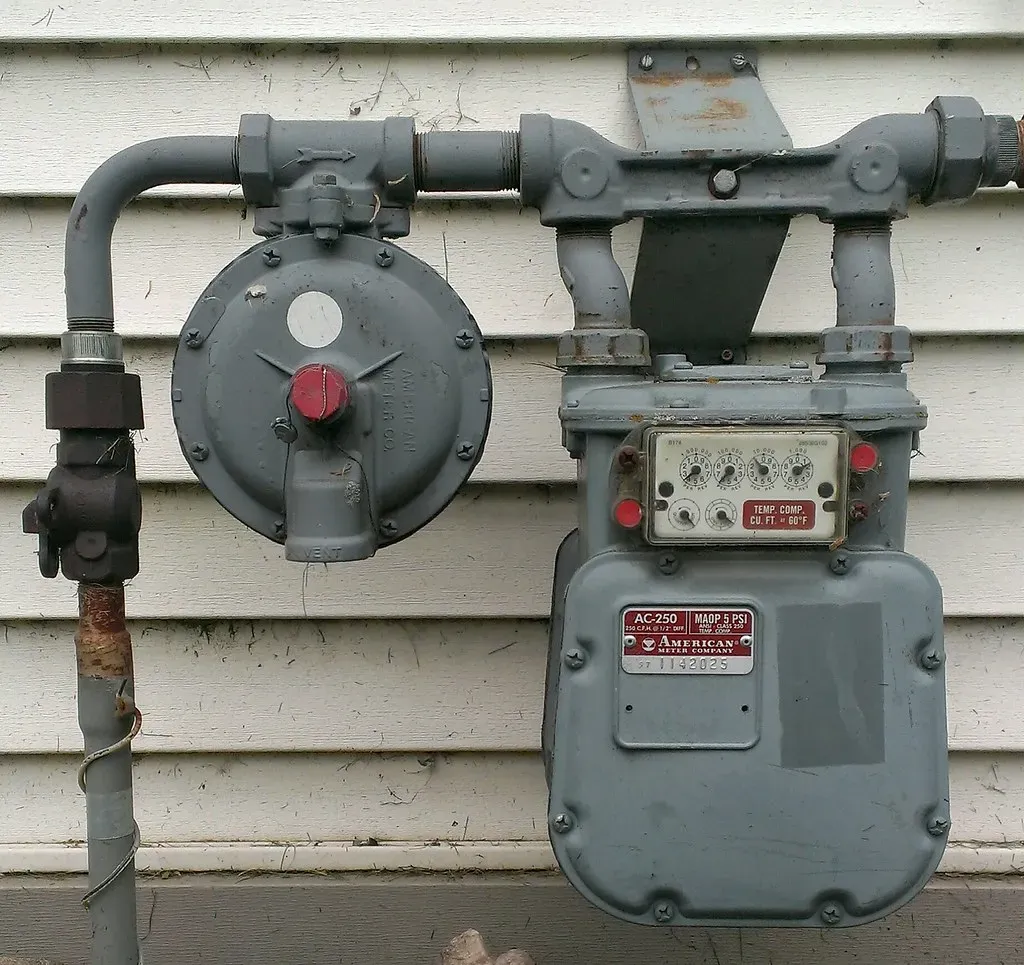
| Bonding runs | Every metal service (electric, water, gas, phone/cable, well casing within 25 ft) needs a bond | Rural homes with wells, propane and outbuildings |
| Material | Copper costs more than aluminum, and each has placement rules | Copper roofs and gutters rule out aluminum nearby |
| Surge protection | Panel-level devices are a separate line item | Every home; Angi lists $150 to $700 |
| Third-party certification | UL Master Label or LPI-IP inspection adds a fee | Often requested for high-value homes |
| Outbuildings | Barns, shops and detached garages are separate structures | Acreage properties in all three states |
The well-casing and bonding details come from UL’s application guide (UL guide); the shallow-topsoil note is from NFPA 780’s revision history (NFPA 780).
Copper vs aluminum: does it matter for price?
Copper components cost more, but material choice is often decided by the house. NFPA 780 bars copper parts from touching aluminum roofing, siding or other aluminum surfaces, and bars aluminum parts from touching copper roofing or sitting in runoff from copper (2023 edition, 4.2.3 and 4.2.4). UL’s guide adds that aluminum can’t be in contact with the earth and needs a bimetallic fitting at least 18 inches above grade where it meets copper (UL guide). On a house with copper gutters, for example, the crew may have no choice but copper. Ask why a quote specifies one or the other.
New construction vs retrofit
Lightning protection is cheapest to install when the walls and attic are open. Conductors can run through framing, down conductors can be hidden in walls, and grounding goes in before landscaping. On a finished home, the same system means working around finished drywall, gutters and landscaping, and more of it will be on the outside of the house. If you’re building in Colorado, Texas or Oklahoma, bring the lightning protection contractor in at the framing stage.
What a lightning strike costs by comparison
The Insurance Information Institute reports that US insurers paid $1.65 billion on 61,986 homeowners lightning claims in 2025, an average of $26,616 per claim. Texas averaged $60,382 per claim, the highest among the top states (III). An installed system sits at a small fraction of that, though insurance covers most lightning damage and your deductible is the out-of-pocket risk. For larger buildings, see our comparison of lightning damage costs vs commercial protection.
Questions to ask before you sign a quote
- How many air terminals, and where? Ask for a roof sketch.
- How many down conductors and ground rods, and how long are the rods?
- What will you bond to: electrical service, water, gas, cable/phone, well casing?
- Is surge protection at the panel included or separate?
- Copper or aluminum, and why for my house?
- Which standard are you designing to (NFPA 780 or UL 96A), and which edition?
- Will the system get a third-party inspection, and what document do I receive?
- Are all components listed to UL 96?
- How do you handle roof penetrations and my roofing warranty?
If a quote can’t answer these, it’s a rod price, not a system price. Our walk-through of what a real system looks like on a house shows each part.
Get a quote based on your house
Site Safe Lightning Protection can look at your roof, your grounding conditions and your bonding runs and price a complete system instead of a rod count. Contact Site Safe Lightning Protection to set up a visit, or read more about our residential lightning protection services.
Talk to Site Safe Lightning Protection about your property.
Frequently asked questions
How much does it cost to put a lightning rod on a house?
National surveys put a home system at about $450 to $2,700, with Angi's 2026 average around $1,566. Large or complex homes and some markets, such as Dallas, run higher. A real quote depends on roof layout, grounding and bonding.
How much does a single lightning rod cost?
HomeGuide lists individual rods at roughly $50 to $200 each depending on material and design. A single rod isn't a working system, though. You also need conductors, at least two paths to ground, ground rods and bonding.
Can I install my own lightning rod?
You can buy parts, but a DIY rod rarely includes the second path to ground or the bonds to your electrical, water and gas systems that prevent side flash. NFPA 780 allows the local authority to require installer certification. A trained installer is the safer choice.
Is a lightning protection system worth it?
It depends on exposure and what's at risk. The average 2025 homeowners lightning claim was $26,616 nationally and $60,382 in Texas, per the Insurance Information Institute. Tall, isolated homes and homes on ridges or open land carry more exposure.
Does homeowners insurance give a discount for lightning rods?
Some insurers may. Ask your agent directly, and keep the installer's documentation and any third-party certificate on file.
Sources
- Angi: Lightning Protection System Cost in 2026
- Angi: How Much Does Lightning Protection Cost in Dallas, TX?
- HomeGuide: How Much Does Lightning Rod Installation Cost? (2026)
- NFPA 780, Standard for the Installation of Lightning Protection Systems, 2023 edition (NFPA document page, free read-only access)
- UL: Lightning Protection Marking and Application Guide
- UL Solutions: Lightning Protection Installer and Master Label Certificate Program
- Insurance Information Institute: Facts + Statistics, Lightning
- Lightning Protection Institute: Lightning Protection Overview
Image credits
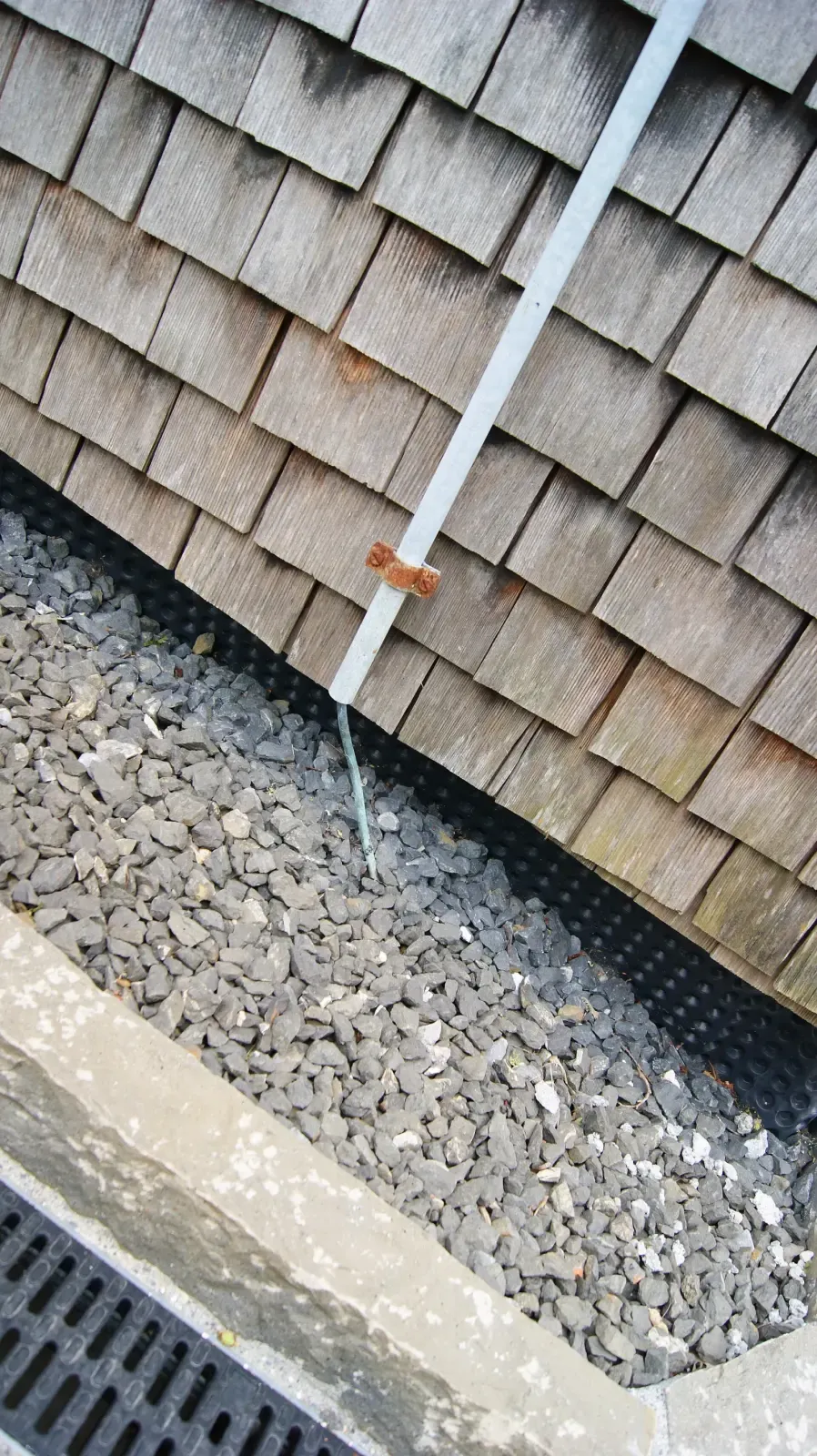
- Copper lightning protection conductor fastened along the edge of a wood-shingle roof. Photo: Asurnipal / Wikimedia Commons (source), CC BY-SA 4.0, resized.