Do Solar Panels Attract Lightning? Protecting Rooftop and Ground-Mount Arrays
By Site Safe Lightning Protection 6 min read
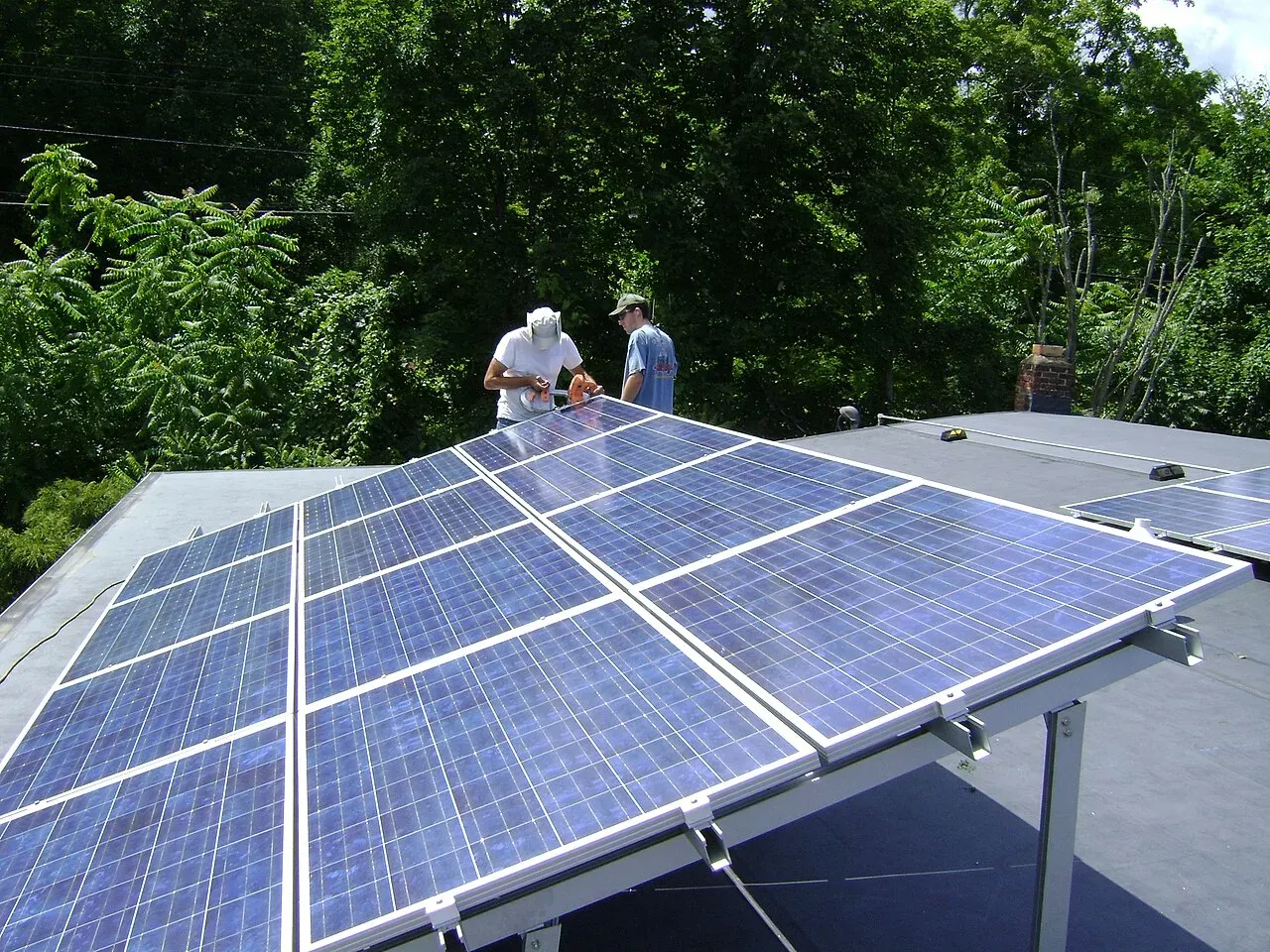
No, solar panels don’t attract lightning. The National Weather Service says height, a pointed shape and isolation are what decide where lightning strikes, and that the presence of metal makes no difference. A low array on a roof doesn’t change the building’s odds of being hit in any meaningful way.
That’s the short answer. The useful answer is that solar panels can still be damaged by lightning, both by direct strikes and by surges from strikes nearby, and adding an array to a roof changes what a lightning protection system has to cover. NFPA 780, the US installation standard, has a whole chapter on it.
Why the “attracts lightning” worry comes up
People see a large metal-and-glass surface wired into the house and assume it’s a target. The NWS myth page addresses this directly: metal doesn’t draw strikes. What draws strikes is being the tallest, most pointed and most isolated object around.
Where that does matter for solar:
- Pole-mounted and tracker arrays in open fields can be the tallest thing in a pasture.
- Ground mounts on ranches, well sites and industrial yards are often in open, exposed ground.
- Rooftop arrays on tall or isolated buildings sit on a building that was already a likely strike point.
In each case the risk comes from the setting, not from the panels.
How lightning damages solar systems
There are two ways.
Direct strikes. A strike to a module, rack or the roof right next to the array can shatter glass, burn wiring, and send current through the racking and DC conductors into the inverter and the house wiring.
Nearby strikes and induced surges. This is the more common problem. A strike to a tree, pole or the ground near the array can induce surges on the long runs of DC wiring. Research published in the journal Energies (MDPI) examined how lightning surges break down the bypass diodes inside PV modules. Those diodes are small and, once damaged, the module underperforms or develops hot spots. Inverters and charge controllers are also exposed.
What NFPA 780 says about solar arrays
NFPA 780 added a chapter on solar arrays in its 2014 edition. In the 2023 edition, solar arrays are listed in the scope (Section 1.1.1) and covered in Chapter 12, Protection for Solar Arrays, which has sections on:
- General requirements
- Fundamental principles of protection
- Strike termination devices
- Protection of electrical and mechanical systems (12.4)
- Grounding
The standard also includes an informational annex, a guide to international standards for selecting surge protective devices on PV installations, and it defines terms like “solar array” and “solar panel” in Chapter 3. Chapter numbers can change between editions, so check the current edition before relying on a section number.
Penn State’s commercial solar course summarizes the relationship: a lightning protection system is a low-impedance network of air terminals connected to a dedicated grounding electrode system, and it’s covered far more extensively in NFPA 780 than in the electrical code’s grounding article. The NEC (Article 690) handles PV system grounding and bonding; NFPA 780 handles lightning.
Adding solar to a roof that already has lightning protection
This is a common situation, and it’s where things tend to go wrong.
A roof with a lightning protection system was designed around what was on the roof at the time. When an installer adds an array:
- Air terminals may now be blocked, removed or shadowed. Terminals that sit where racking needs to go can end up moved or left out.
- The array may sit outside the existing zone of protection. Panels and racking become new rooftop objects the original design never considered.
- Bonding changes. The racking and the PV grounding system are new metal that may need to be bonded to the lightning protection system, or kept separated, depending on the design.
- New conductors enter the building. DC and AC circuits are new paths for surges into the house.
There’s a paperwork angle too. UL’s program brochure says a Master Label certificate expires early if the structure’s electrical systems, the roofing, or the lightning protection system is modified. A solar install usually touches all three.
The practical rule: get the lightning protection system re-inspected and updated whenever an array goes on the roof. Better yet, bring the lightning protection contractor in before the solar layout is final, so terminals and conductors can be planned around the panels. Our article on when to have your system re-inspected covers other triggers.
Ground-mount arrays on rural and industrial sites
Ground mounts don’t sit on a building, but they still need thought, especially on open land:
- Grounding and bonding of the racking per the electrical code and the array design.
- Surge protection on the DC and AC sides, at the array and where the circuits enter the building or equipment they feed.
- Strike termination where a risk assessment or the owner’s specification calls for it, following NFPA 780 Chapter 12.
- Separation from other site hazards. On oil and gas sites, arrays powering remote equipment sit near tanks and wellheads that have their own protection needs. See our oil and gas lightning protection page.
Surge protection alone isn’t the whole answer
Solar installers often say “we include surge protection” and leave it there. Surge devices handle the surges that come in on wiring. They don’t give a direct strike a path to ground, and they don’t stop a side flash from the racking to nearby metal. A complete approach is a lightning protection system for the building (and array, where warranted) plus surge protection on the PV circuits. We explain what surge devices can and can’t do in do surge protectors protect your home from lightning?
Quick checklist before and after a solar install
| When | What to check |
|---|---|
| Before the layout is final | Does the roof have a lightning protection system? Share its drawings with the solar designer. |
| During design | Which air terminals and conductors are affected? Where will array racking bond in, or stay separated? |
| During install | Are terminals and conductors left intact or relocated, not removed? |
| After install | Re-inspect the lightning protection system; confirm surge protection on PV circuits. |
| After any strike nearby | Check inverter logs and production for drops; have the system and the array inspected. |
Talk to us before the panels go up
If you’re adding solar to a home or building that already has lightning protection, or you want protection for a new array, contact Site Safe Lightning Protection. We can review the roof layout with you and your solar installer. See our residential lightning protection services or get in touch.
Talk to Site Safe Lightning Protection about your property.
Frequently asked questions
Do solar panels increase the risk of a lightning strike?
No. The National Weather Service says height, shape and isolation decide where lightning strikes and that metal makes no difference. Panels mounted close to a roof don't make the building meaningfully taller.
What happens if lightning hits solar panels?
A direct strike can break modules, burn wiring and send current into the inverter and building wiring. Nearby strikes more often cause surge damage, including damage to the bypass diodes inside modules.
Does NFPA 780 cover solar panels?
Yes. In the 2023 edition, solar arrays are in the scope and covered in Chapter 12, Protection for Solar Arrays, with an annex on selecting surge protective devices for PV.
Do I need to re-inspect my lightning protection system after installing solar?
Yes. An array changes the rooftop layout, bonding and wiring the system was designed around, and a UL Master Label certificate expires when the roofing, electrical systems or lightning protection system are modified.
Is surge protection enough for a solar system?
Surge protection handles surges on the wiring but doesn't provide a path for a direct strike. Where lightning protection is warranted, use both.
Sources
- National Weather Service: Lightning Myths
- NFPA 780, Standard for the Installation of Lightning Protection Systems, 2023 edition (NFPA document page, free read-only access)
- Penn State AE 868 Commercial Solar Electric Systems: Grounding and Lightning
- Energies (MDPI): Breakdown Characteristics of Schottky Barrier Diodes Used as Bypass Diodes in Photovoltaic Modules under Lightning Surges
- UL: Lightning Protection Certificate Services (client brochure, PDF)
- Lightning Protection Institute: FAQ
Image credits
- Two workers installing a tilt-up solar panel array on a flat roof near Poughkeepsie, New York. Photo: Lucas Braun / Wikimedia Commons (source), CC BY-SA 3.0, resized.
- Rooftop solar panels mounted on a tile roof; solar panels do not attract lightning. Photo: Marta Victoria / Wikimedia Commons (source), CC BY-SA 4.0, resized.