CSST Bonding and Lightning: What the Code Requires and What It Leaves Out
By Site Safe Lightning Protection 8 min read
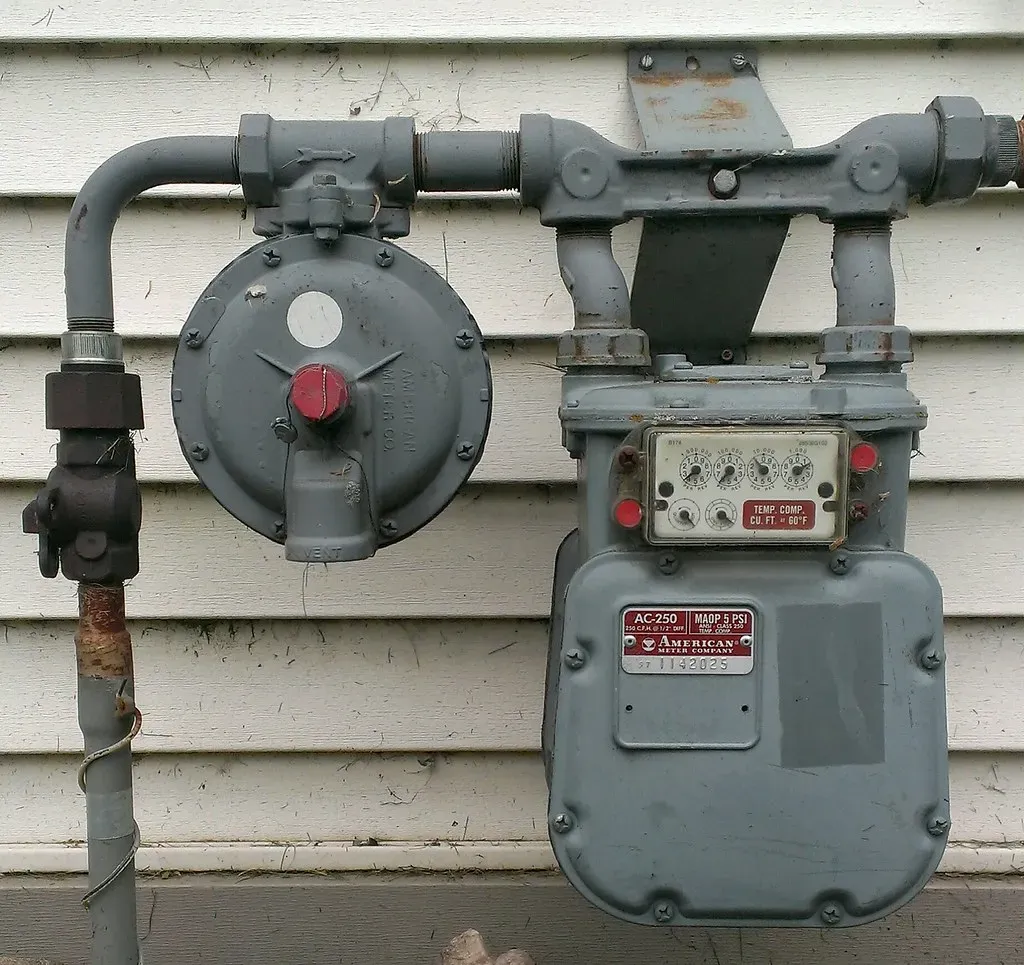
CSST bonding means connecting a home’s corrugated stainless steel tubing (CSST) gas piping to the electrical grounding electrode system with a dedicated copper jumper. Under the International Fuel Gas Code and the International Residential Code, yellow-jacketed CSST needs a jumper of at least 6 AWG copper, no longer than 75 feet, attached with a listed clamp to rigid pipe or a fitting downstream of the gas meter (ICC CodeNotes). The point is to cut the voltage difference that lets lightning arc through the tubing’s thin wall. Bonding lowers that risk. It doesn’t remove it, and that’s where a lightning protection system comes in.
This article covers the code rules, the difference between yellow and black CSST, what bonding can and can’t do, and how gas piping fits into a full lightning protection system.
Why lightning damages CSST
CSST is flexible gas tubing with a much thinner wall than black iron pipe. When lightning hits a house or the ground nearby, stray current looks for every path to earth. If the CSST becomes energized and sits close to other metal (water pipe, wiring, ductwork), an arc can jump between them and burn a hole in the tubing. Gas escapes and ignites. The International Association of Fire Chiefs describes exactly this sequence and notes that leaks tend to develop near bends and flexed points (IAFC).
The strike doesn’t have to hit the house. Guy Maxwell of the Lightning Safety Alliance told the Lightning Protection Institute that the CSST fires he had seen involved strikes near the structure (LPI).
How common is it? The IAFC estimates that about 5 million US homes were built with CSST since it came into wide use in the mid-1990s. A 2018 ICC code session presented NFPA figures for 2010 to 2014: about 4,300 lightning fires a year in one- and two-family homes, of which about 210 involved lightning and fuel gas (ICC session slides). That makes it uncommon, but when it happens the fire starts at a gas leak inside a wall or attic.
CSST bonding requirements at a glance
These are the rules in the 2021 IFGC and IRC as summarized by the International Code Council. Your jurisdiction may run an older edition or local amendments, so check with your local building department.
| Item | Requirement | Code reference |
|---|---|---|
| Which CSST | Yellow (non-arc-resistant) CSST, and any system with even one yellow segment | IFGC 310.2 / IRC G2411.2 |
| Bonding jumper | Not smaller than 6 AWG copper, or the aluminum equivalent | IFGC 310.2 |
| Jumper length | 75 feet or less; shorter works better | IFGC 310.2 |
| Where the jumper lands | A grounding electrode, the grounding electrode conductor, or the service enclosure | IFGC 310.2 |
| Clamp | Listed to UL 467, on rigid pipe, a malleable fitting, a manifold or a brass CSST fitting, never on the corrugated tubing | IFGC 310.2 |
| Clamp location | Downstream of the meter (or the LP second-stage regulator), accessible, on clean bare metal | IFGC 310.2 |
| Number of clamps | One for the whole system | IFGC 310.2 |
| Additions | Adding any yellow CSST to an existing steel or copper system means the whole system gets bonded | IFGC 310.2 |
| Separate gas ground rod | Not allowed; everything ties into one grounding electrode system | IFGC 310.2.3 |
Source for the table: ICC CodeNotes, 2021 IFGC/IRC.
This bonding is extra. It’s separate from the ordinary bonding that the electrical code already requires for gas piping that might become energized by a fault. The National Electrical Code covers that in Section 250.104(B), sized by the circuit feeding the gas appliance, which can be a much smaller wire (EC&M). The 2018 ICC session made the same point: a 12 AWG equipment grounding conductor sized for a branch circuit isn’t designed for lightning current, which is why the CSST rules call for a 6 AWG jumper.
Yellow CSST vs black (arc-resistant) CSST
Since the 2018 editions, the IFGC and IRC treat the two products differently. Black-jacketed CSST listed as arc-resistant under the ANSI LC-1 standard is marked “AR.” Its jacket either absorbs the arc energy or spreads it to ground, so the extra 6 AWG bond isn’t required. It still has to be bonded through an appliance’s equipment grounding conductor (ICC CodeNotes).
Two exceptions catch people out. If no appliance on the system has an equipment grounding conductor, or if any yellow segment is in the system, the black CSST gets bonded the same way as yellow. And jurisdictions still on the 2015 IFGC or earlier may require the extra bond on black CSST too.
| Yellow CSST | Black arc-resistant CSST | |
|---|---|---|
| Jacket marking | Yellow | Black, marked “AR” |
| Dedicated 6 AWG bond (2018+ codes) | Required | Not required unless mixed with yellow or no grounded appliance |
| Older code editions (2015 and earlier) | Required | Often required, check locally |
Does bonding stop lightning damage?
Bonding reduces the risk. The National Association of State Fire Marshals, as reported by EC&M, says direct bonding doesn’t completely eliminate the potential for damage but makes it less likely. Fire officials are less optimistic. The IAFC’s position is that the bonding rules introduced in 2009 have not significantly reduced fires involving CSST. Based on anecdotal reports from state and local fire officials, it says CSST in lightning-prone areas may make a house fire after a lightning event up to 10 times more likely (IAFC).
The IAFC pushes for a tougher lightning test for new CSST (the ICC-ES LC1027 criteria), plus disclosure at sale for homes in areas averaging more than 4 cloud-to-ground flashes per square kilometer a year.
Lightning Protection Institute director Bud VanSickle put the other half of the problem plainly in 2016: bonding and grounding the building’s internal systems is just one element of a complete lightning protection system (LPI). The jumper evens out voltage on the gas piping, but a direct strike still needs a planned path from the roof to the ground.
Where a lightning protection system fits
The pages that rank for CSST bonding come mostly from the plumbing, electrical and home inspection side, and they rarely mention lightning protection systems. The standards connect the two in several places.
NFPA 54, the National Fuel Gas Code, says that where a lightning protection system is installed, gas piping bonding follows NFPA 780 (Fire Engineering). The 2018 IFGC lets the CSST bond land on the electrical grounding electrode system or, where one is provided, the lightning protection grounding electrode system (ICC session slides).
NFPA 780, the lightning protection standard, calls for bonding all metallic systems, gas piping included, so they rise and fall in voltage together during a strike (Torbin, Indiana code supplement).
The 2007 class action settlement with four CSST makers listed installing a lightning protection system, or making bonding and grounding connections, as remedies for homes with pre-2006 CSST (LPI).
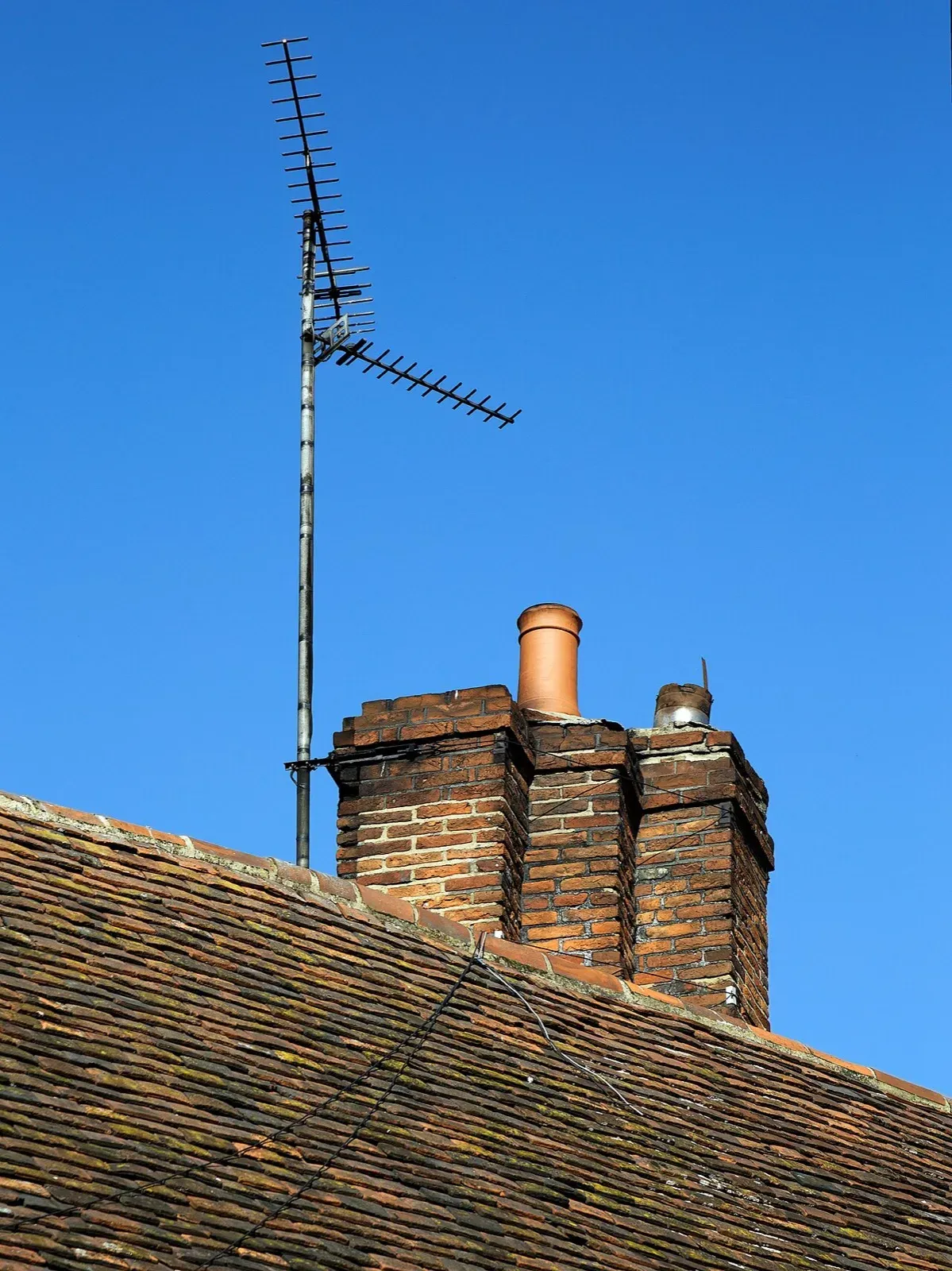
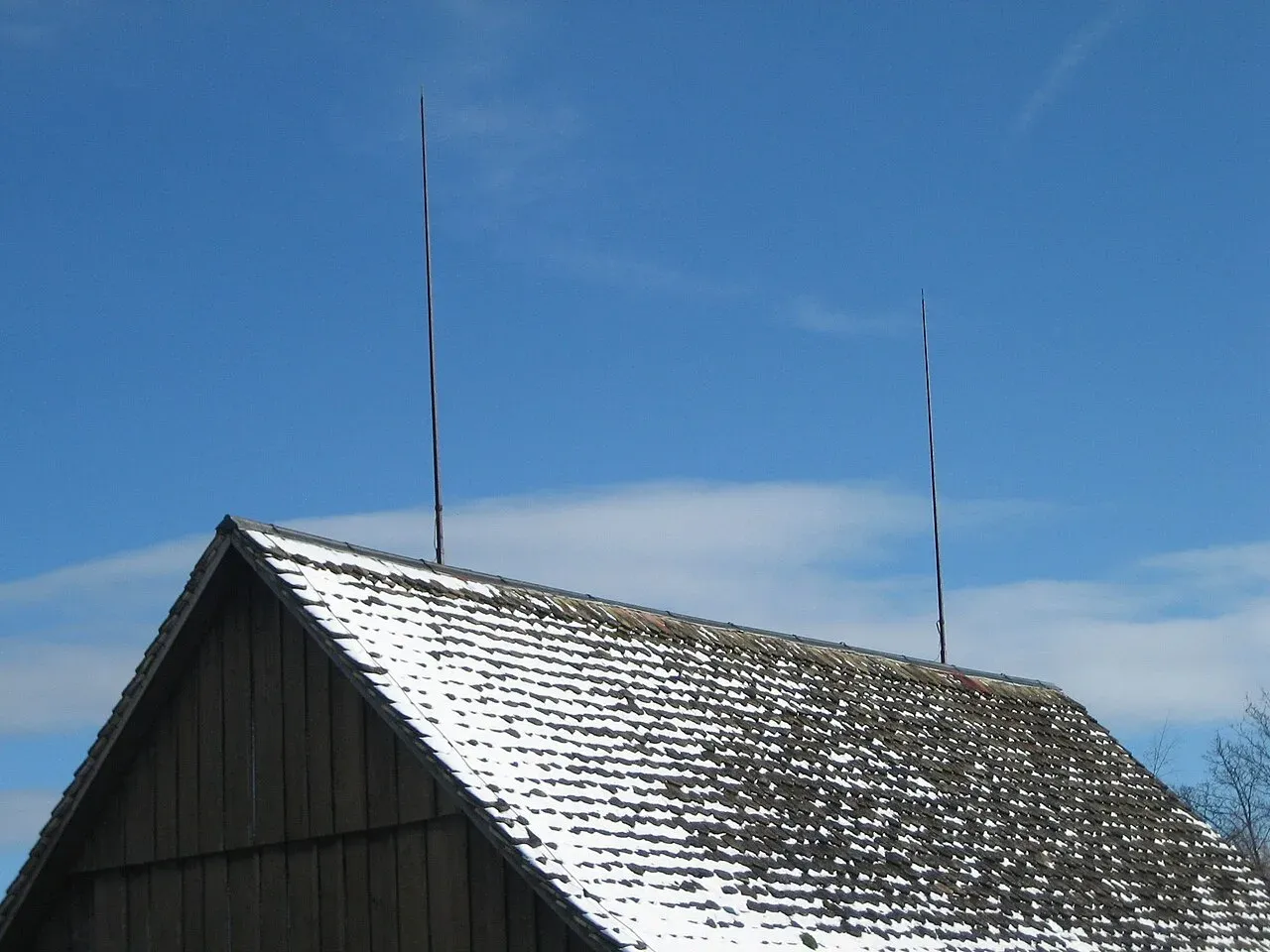
Metal flues are a common weak spot. The 2018 ICC session pointed to metal appliance vents that rise above the roofline and aren’t tied to the grounding system. Such a vent behaves like a lightning rod with no down conductor, sitting right on top of a gas appliance. A lightning protection designer puts an air terminal near that vent or bonds it into the system.
If you have yellow CSST and you’re on an exposed lot, the bonding jumper is the minimum. A full system gives the strike its own route from the roof to the ground, away from the gas appliances and their piping. Our article on grounding vs bonding explains how the two jobs differ.
Colorado, Texas and Oklahoma homeowners
The IAFC’s suggested disclosure line of 4 flashes per square kilometer a year matters locally. The National Weather Service office in Pueblo puts Colorado’s statewide average at 4.8 cloud-to-ground flashes per square kilometer (2009 to 2018), which is above that line before you even look at the Front Range foothills (NWS Pueblo). In Oklahoma, EC&M reported that the state adopted a home inspector rule based on the fire marshals’ CSST bonding campaign. Texas and Oklahoma homes built during the CSST boom deserve the same check.
A 10-minute CSST check
You can do most of this without tools. Leave anything electrical or gas-related to a licensed pro.
- Find where the gas line enters the house and look for flexible tubing with a yellow or black jacket. Check the attic, basement or crawlspace near the furnace and water heater too.
- If it’s black, look for the “AR” marking.
- Look for a clamp on rigid pipe or a fitting with a bare or green copper wire running to the electrical panel, the grounding electrode conductor or a ground rod.
- Make sure the clamp isn’t on the corrugated tubing itself.
- Note any metal vents or chimneys above the roof and how close the CSST runs to water lines, ducts or wiring.
- If the bond is missing, call a licensed electrician or the plumber who services your gas system. Who’s allowed to do the work varies by jurisdiction (EC&M).
After a nearby strike, check for a gas smell around the appliances and in the attic or basement. If you smell it, get out and call the gas utility from outside. Our guide to signs your house was struck by lightning lists other things to check.
Talk to Site Safe Lightning Protection
Site Safe Lightning Protection installs lightning protection systems for homes and inspects existing ones. Colorado, Texas and Oklahoma are the areas listed on our site. If your house has CSST and sits on an exposed lot, contact Site Safe Lightning Protection to talk it through, or start with our residential lightning protection services.
Talk to Site Safe Lightning Protection about your property.
Frequently asked questions
Does CSST need to be bonded?
Yellow CSST does. Under the IFGC and IRC it needs a dedicated jumper of at least 6 AWG copper, no longer than 75 feet, from a listed clamp on rigid pipe or a fitting to the grounding electrode system. Black arc-resistant CSST listed to ANSI LC-1 doesn't need that extra bond under the 2018 and later codes, unless the system includes yellow CSST or has no grounded appliance.
Where should the CSST bonding clamp go?
Downstream of the gas meter or LP second-stage regulator, on rigid pipe, a malleable fitting, a manifold or a brass CSST fitting. It should be accessible and on clean bare metal. Never clamp the corrugated tubing itself.
Who is responsible for bonding CSST?
It depends on the jurisdiction. The CSST installer is responsible for making sure it's done to code, and many areas treat the bond as electrical work. Ask your local building department which trade is allowed to do it.
Can bonding prevent all lightning damage to CSST?
No. Bonding reduces the chance of an arc through the tubing but doesn't eliminate it. A lightning protection system adds air terminals, down conductors and grounding so a direct strike has a planned path to earth, with the gas piping bonded into that system under NFPA 780.
Does CSST bonding count as lightning protection?
Not by itself. It's one bonding connection. A lightning protection system under NFPA 780 includes strike termination devices, conductors, grounding electrodes, bonding of metal systems and surge protection.
Sources
- ICC Building Safety Journal: CodeNotes, Bonding of corrugated stainless steel tubing gas piping systems (2021 IFGC/IRC)
- International Association of Fire Chiefs: Protection of CSST from Lightning Strikes (position)
- EC&M: Whose Job Is It to Bond Corrugated Stainless Steel Tubing (CSST)?
- ICC session slides: Why, When, What and Where Lightning Protection is Required (CSST, October 2018)
- Lightning Protection Institute: Lightning Fires Linked to Problem Gas Tubing
- Lightning Protection Institute: LPI joins State Fire Marshals in effort to reduce fire risk (2016)
- Fire Engineering: New Requirements for CSST Installation (NFPA 54 section 7.13)
- Indiana DHS: Torbin supporting statement on gas piping bonding (NFPA 780 equipotential bonding)
- NWS Pueblo: Colorado Lightning Ranking
- NFPA 780, Standard for the Installation of Lightning Protection Systems (NFPA document page)