
Residential articles, page 2
-
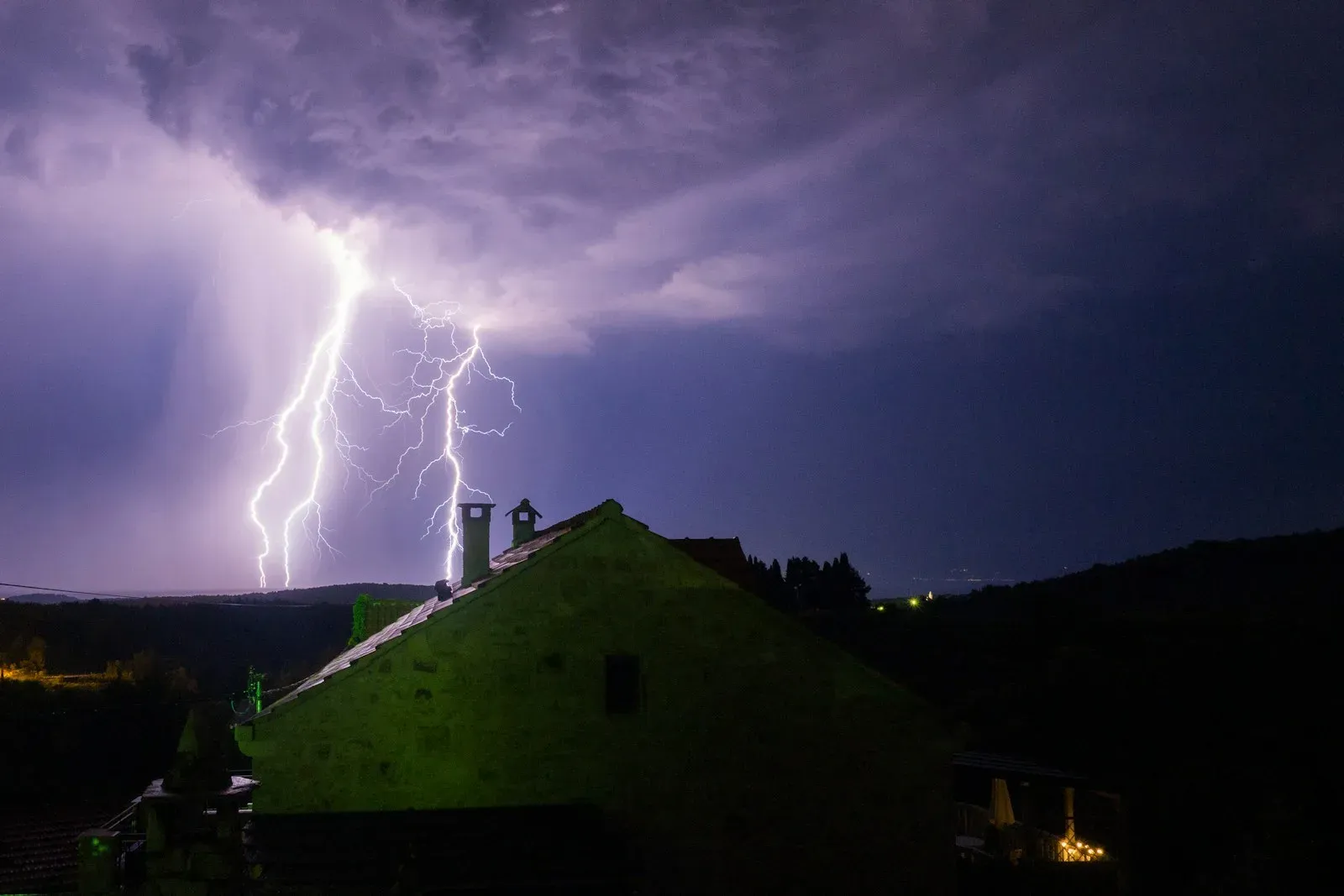
Does Homeowners Insurance Cover Lightning Strikes? What's Covered and How to Document a Claim
Standard homeowners policies generally cover lightning damage, including fire. Here's the 2025 claim data, the gray areas around power surges, and a step-by-step documentation checklist.
-
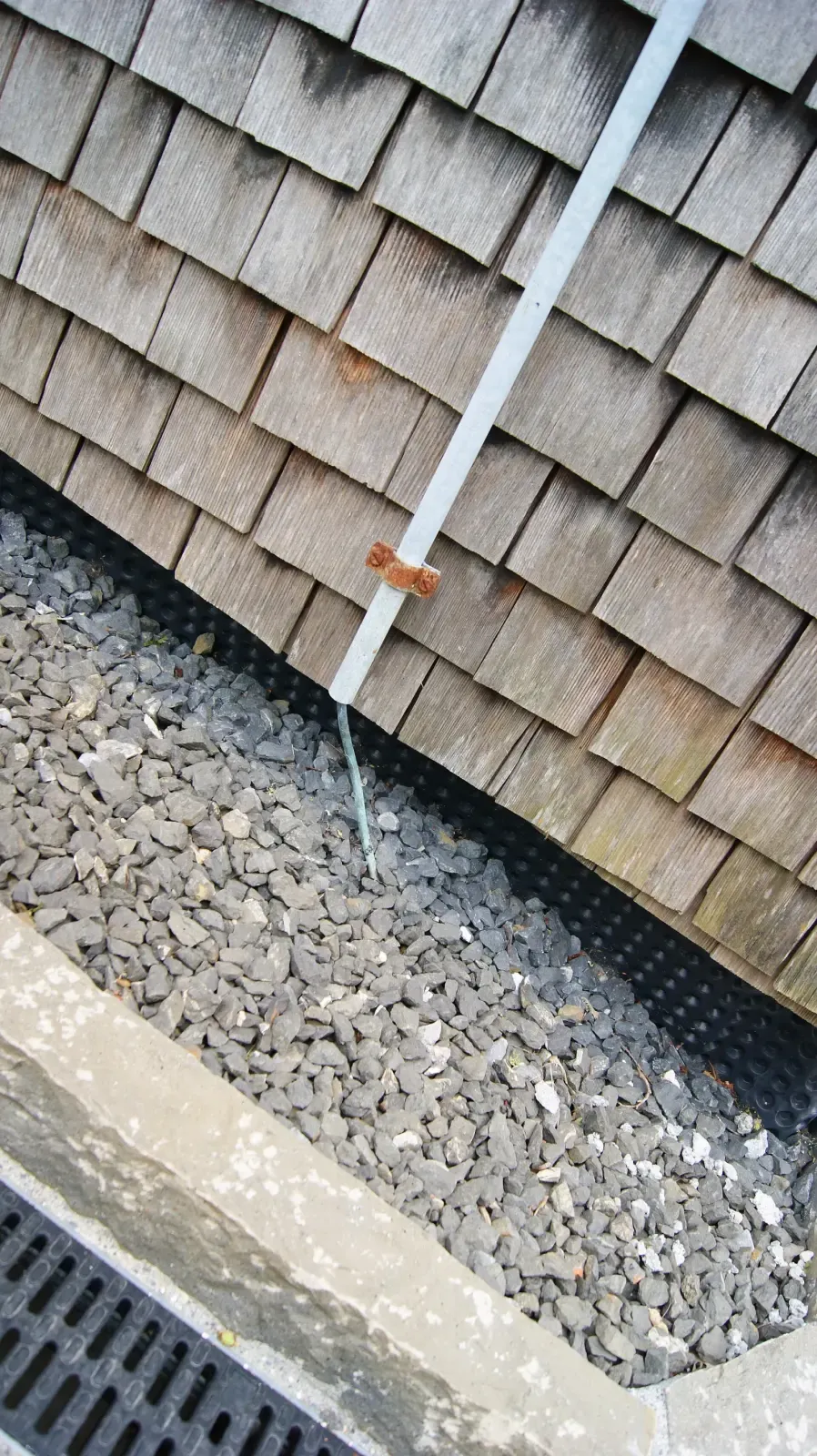
Lightning Rod Installation Cost for Homes: 2026 Price Ranges and What Drives Them
National survey ranges for home lightning rod installation, what actually moves the price, how many air terminals a real house needs, and what to ask before you sign a quote.
-
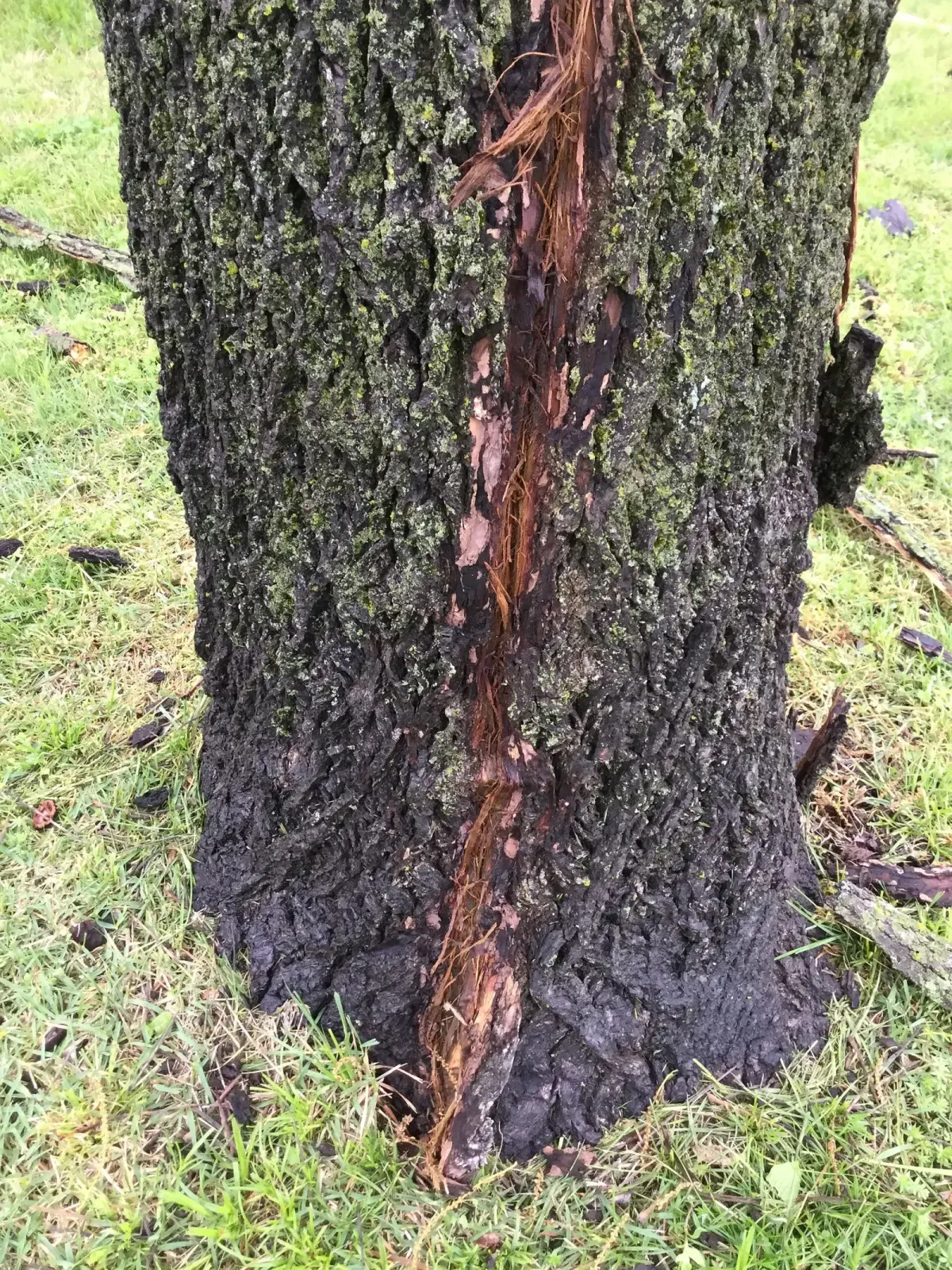
Tree Lightning Protection: How It Works and When It's Worth It
A tree lightning protection system is a copper cable run from the crown to a ground rod. Here's how it works, which trees are worth protecting, and why a big tree beside your house changes the plan for the house itself.
-
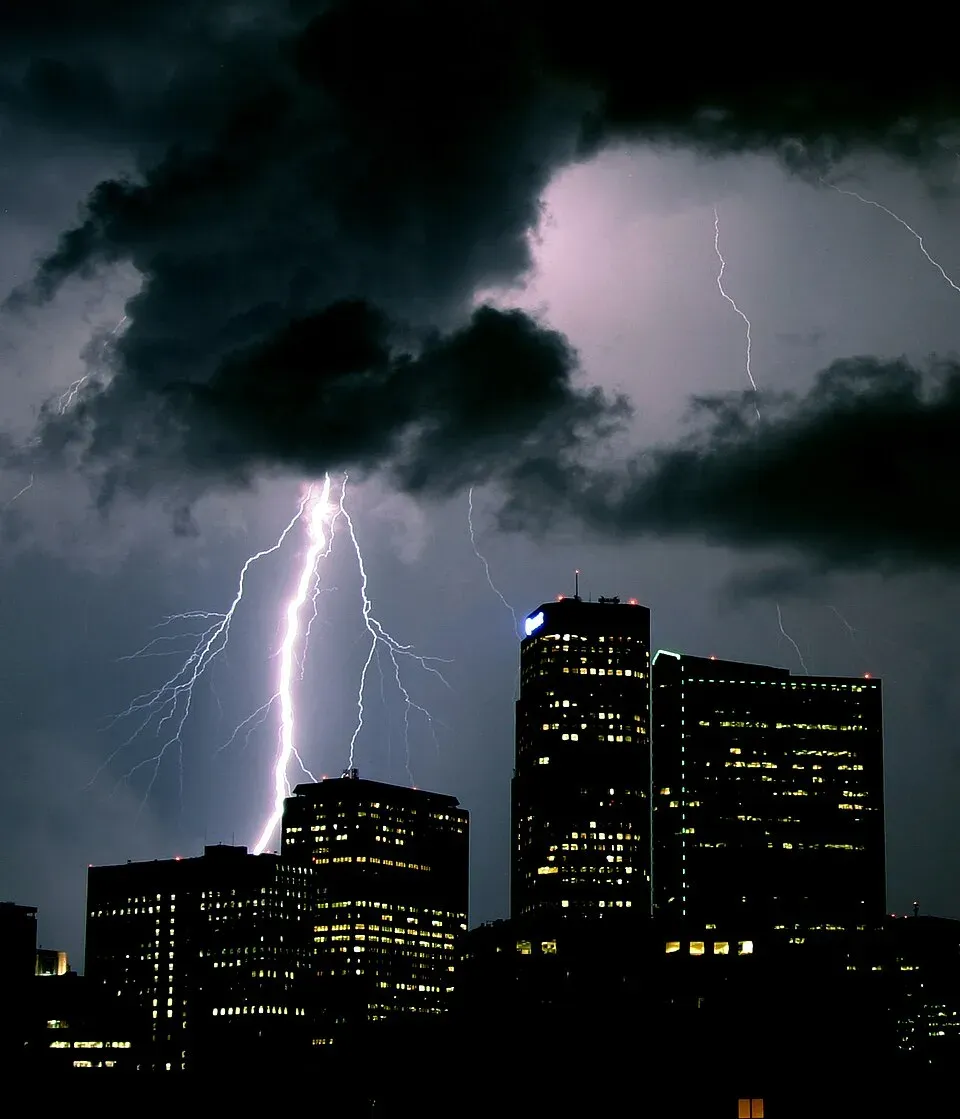
Home Lightning Protection in Colorado: What Front Range Homeowners Should Know
Colorado gets about 500,000 cloud-to-ground lightning flashes a year and ranks third in the nation for lightning deaths. Here's what that means for homes on the Front Range and in the foothills, and how a residential system fits a Colorado house.
-
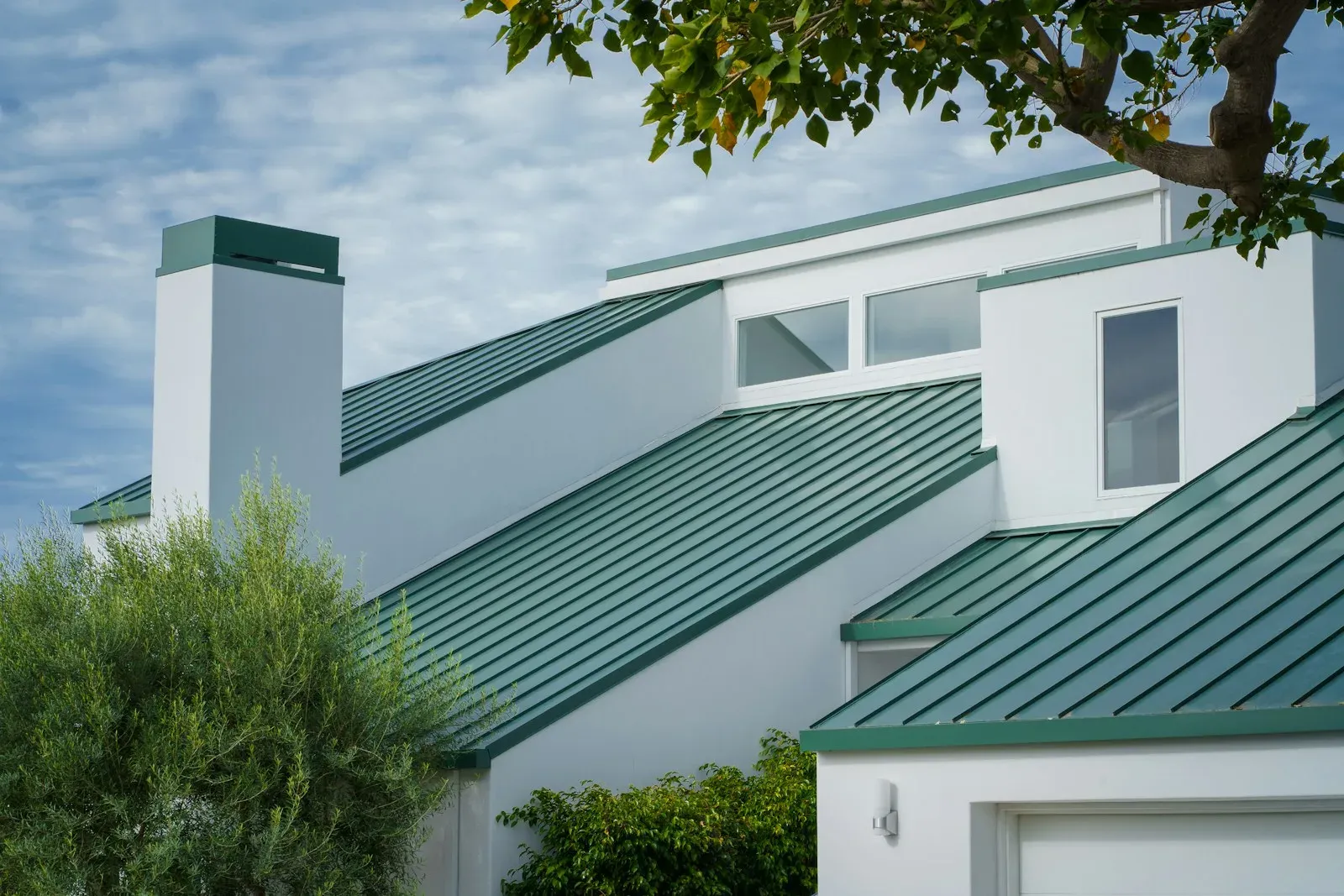
Do Metal Roofs Attract Lightning? What Really Happens in a Strike
A metal roof doesn't make a strike more likely. It also doesn't make a building protected. What the NWS, MCA and NFPA 780 say, and what metal-roofed homes, shops and pole barns still need.
-
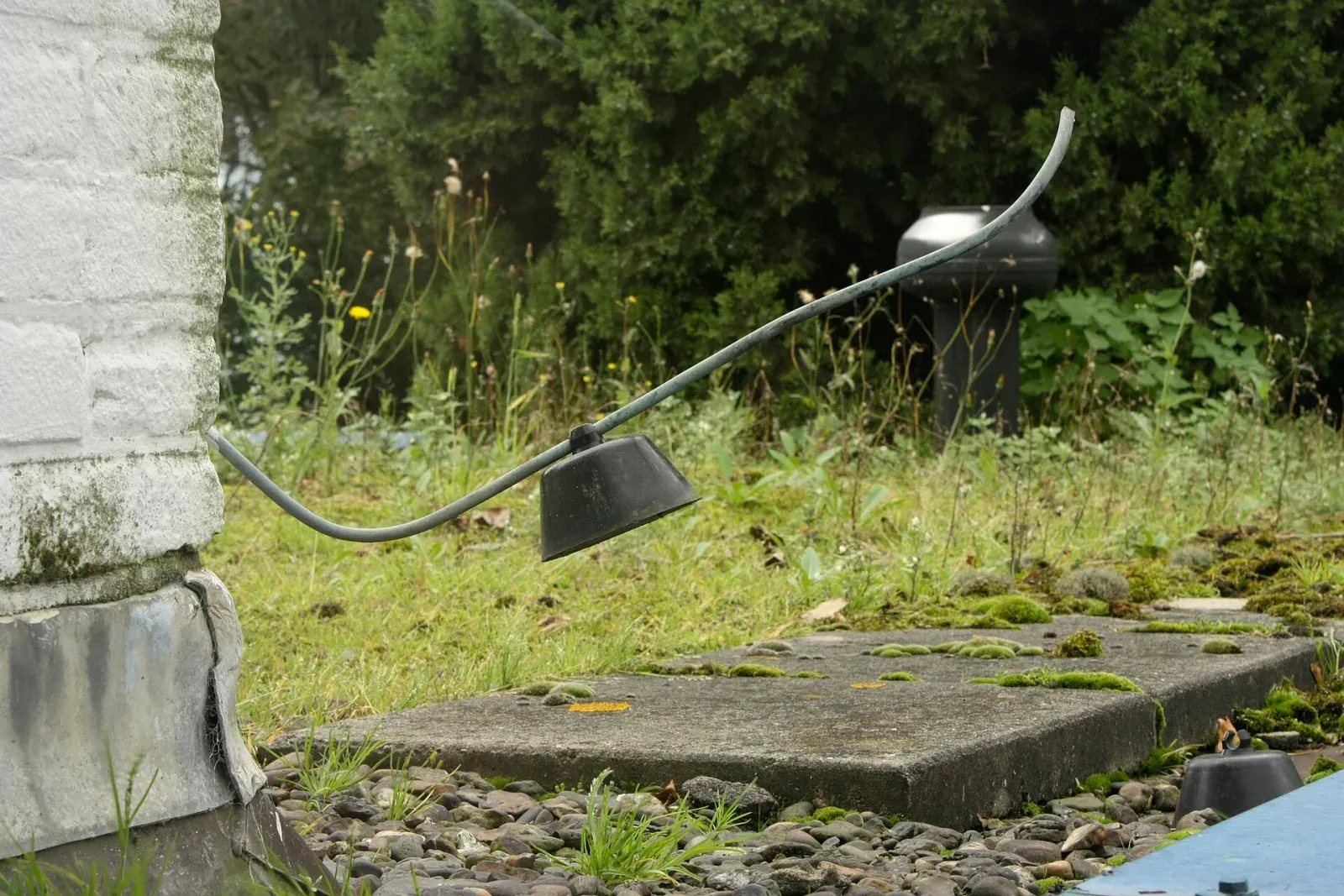
Grounding a House for Lightning: Ground Rods, Soil and Spacing
A house lightning protection system needs a grounding electrode at every down conductor, sized and placed for the soil, and bonded to the electrical service ground. Here's what the standards call for and why one DIY rod falls short.
-

Signs Your House Was Struck by Lightning, and What to Check Next
A diagnostic checklist after a close strike: the sound, the smell, the attic, the panel, the gas line and the electronics. Plus who to call, in what order.
-
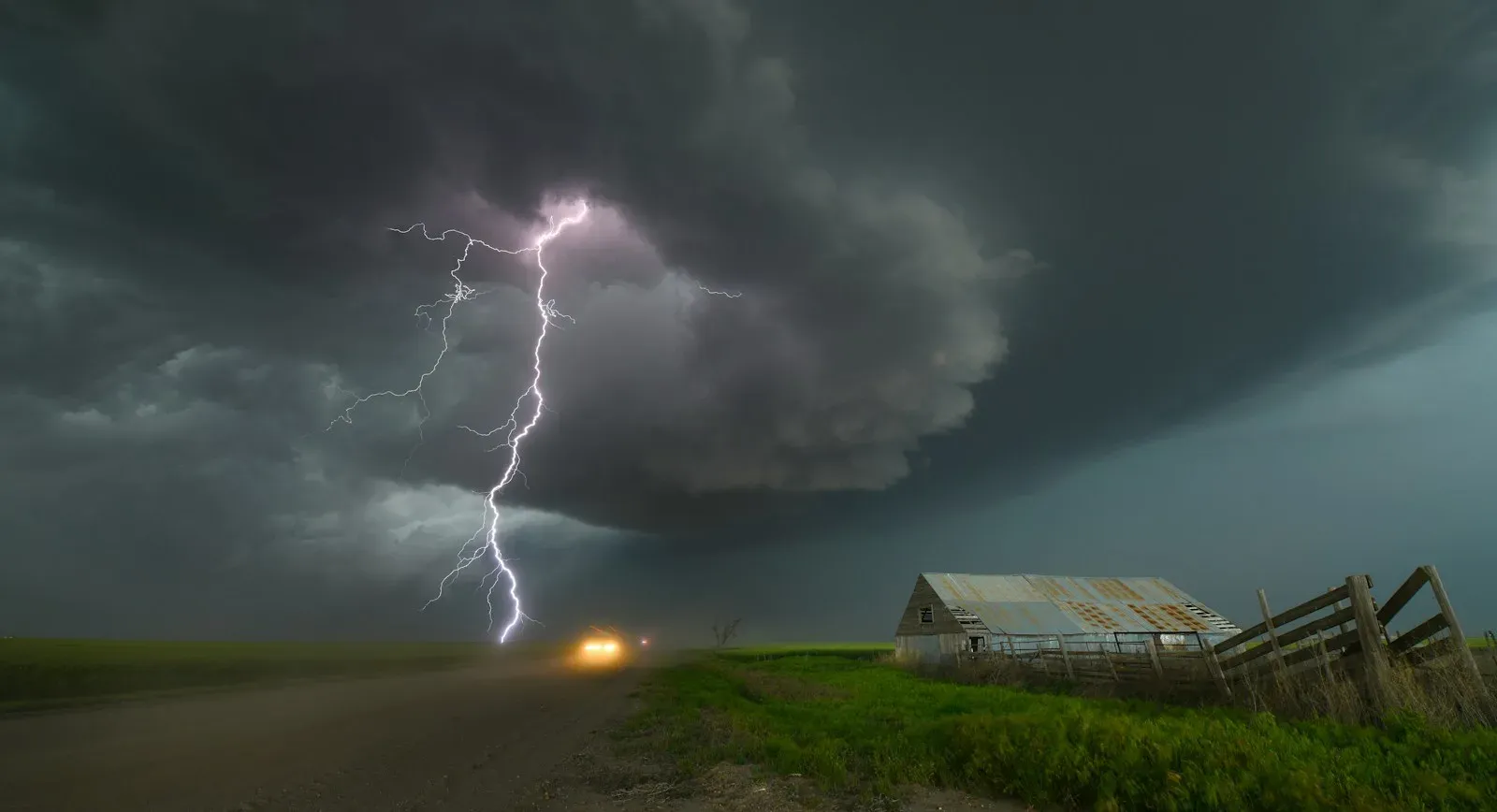
Lightning Rods on a House: What a Real System Looks Like
A walk around a protected house: air terminals on the ridge and chimney, conductors, down leads at the corners, ground rods and bonding. Why one rod on the roof is not a system.
-

Common Myths About Home Lightning Protection Systems
Many homeowners believe lightning protection systems are unnecessary or only needed for certain homes. In reality, lightning strikes can damage electrical systems, appliances, and structural components during severe storms.
-
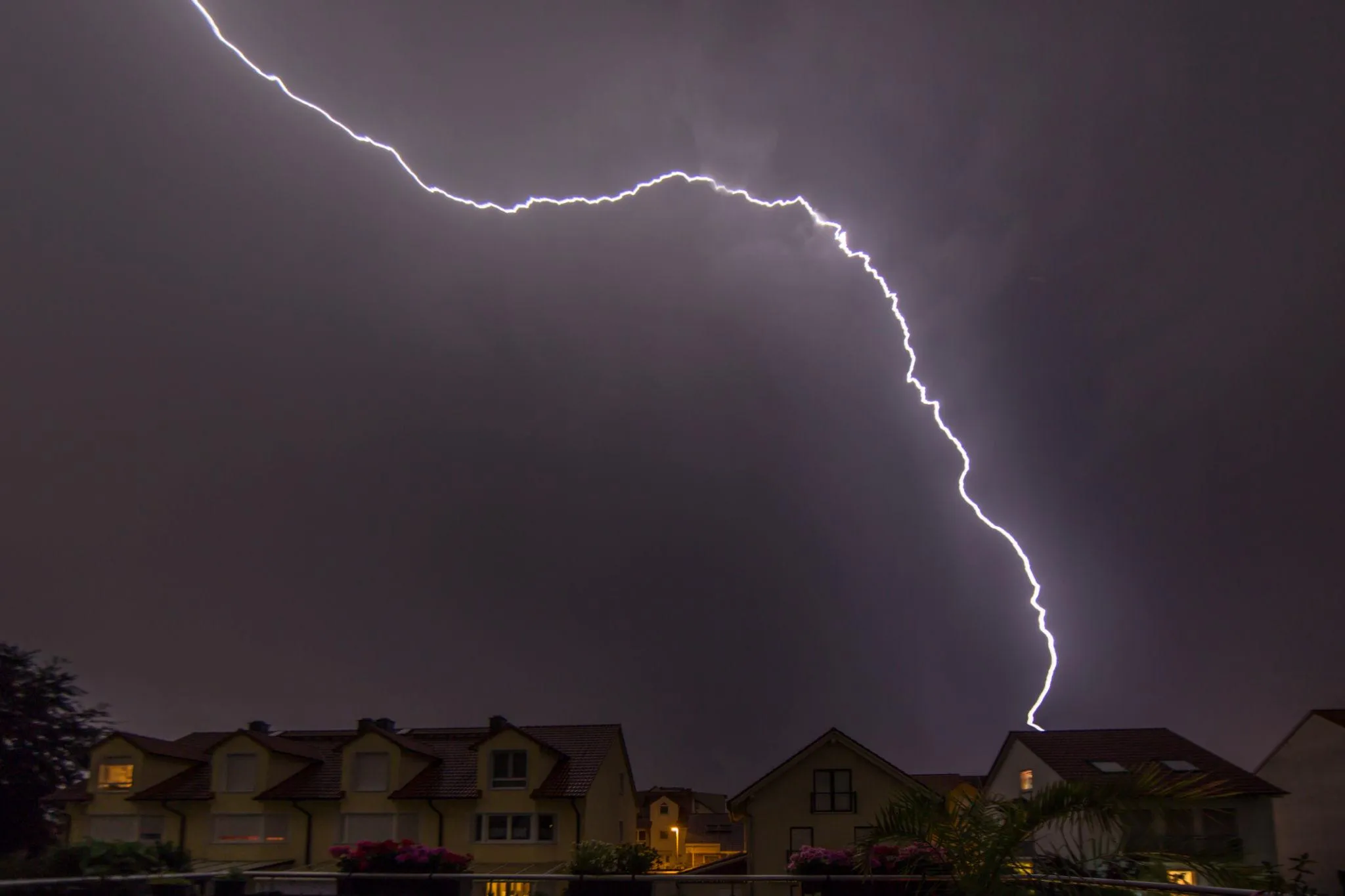
What Happens When Lightning Strikes a House Without Protection
A lightning strike can cause devastating damage to a home in seconds. Without a proper lightning protection system, the intense electrical surge can ignite fires, destroy appliances, damage wiring, and even compromise the structure of your home.
-

Protect Your Property with a Reliable Home Lightning Protection System
Protect your home or business from costly storm damage with a reliable home lightning protection system. Lightning strikes can cause fires, electrical surges, and structural damage, but a professionally installed system helps safely direct lightning energy into the ground to reduce risk and improve safety. At Site Safe Lightning Protection, we provide expert lightning rod installation and customized protection systems for residential and commercial properties. Our team designs dependable solutions that help safeguard buildings, equipment, and occupants during severe weather. Investing in professional lightning protection today helps ensure long-term safety, operational reliability, and peace of mind for property owners.