When Should You Have Your Lightning Protection System Re-Inspected?
By Site Safe Lightning Protection 5 min read
A lightning protection system is designed to provide a controlled path for lightning energy, helping protect a structure and its occupants from the damaging effects of a strike. But installing the system is not the end of the process.
Buildings change. Roofs are repaired. HVAC equipment is added. Components experience weather exposure, corrosion, vibration, and normal wear. Any of these changes can affect the condition or continuity of a lightning protection system.
That is why lightning protection system re-inspection should be part of an ongoing property maintenance plan. Industry guidance recommends periodic inspections as well as additional inspections following certain building changes or events.
Why Lightning Protection Systems Need Re-Inspection
Lightning protection systems spend years exposed to environmental and mechanical conditions. Even when a system was professionally designed and properly installed, its condition can change over time.
The Lightning Protection Institute (LPI) notes that age, disconnections, severe weather, structural changes, corrosion, vibration, and work performed by other contractors can potentially affect a system. Regular inspection helps identify these concerns before they compromise the intended protection.
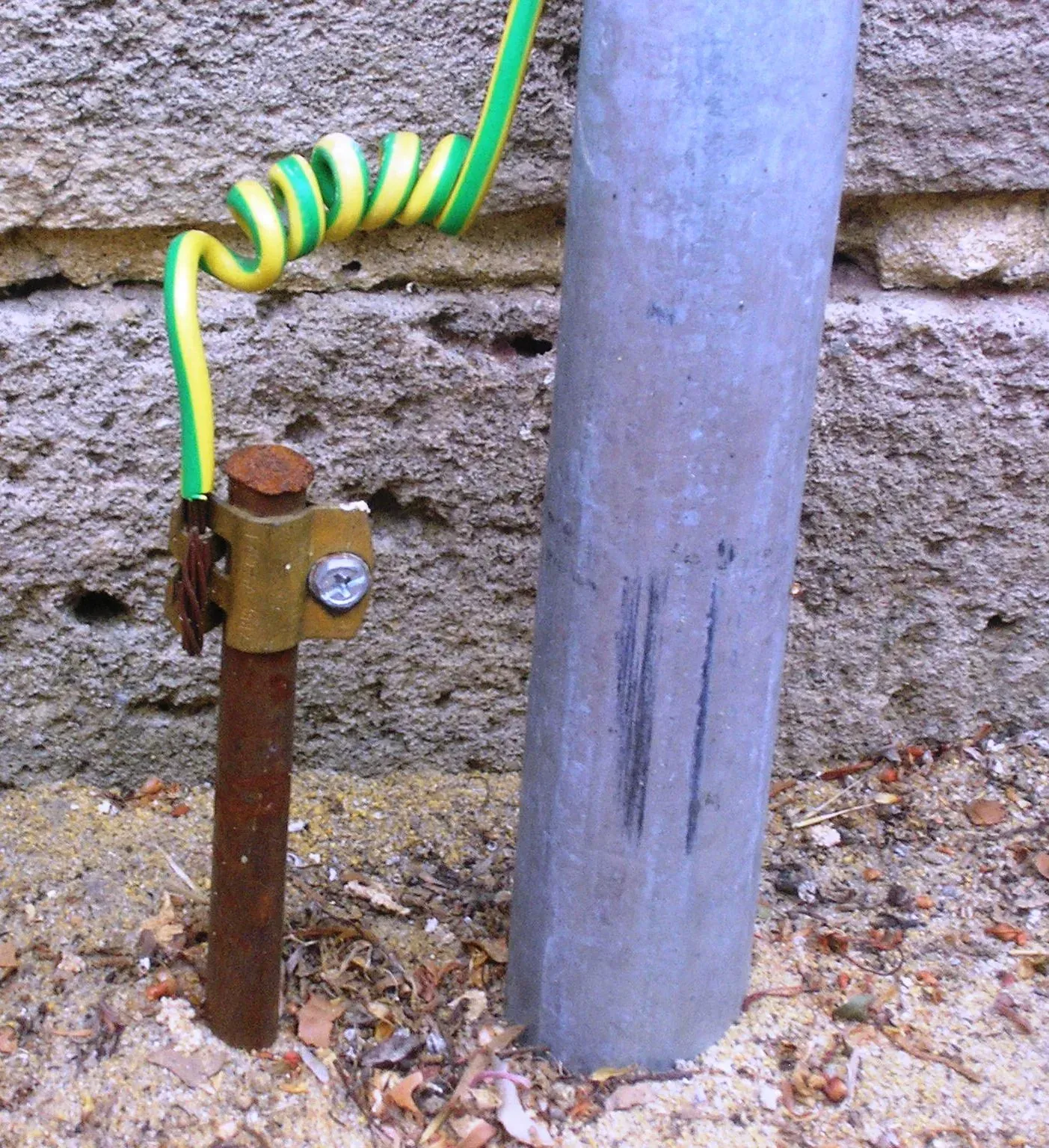
Re-inspection provides an opportunity to confirm that important components—including air terminals, conductors, connections, bonding, grounding components, and surge protection—remain appropriately installed and maintained.
How Often Should a Lightning Protection System Be Inspected?
There is no single inspection schedule appropriate for every property. The structure, environment, occupancy, system materials, and exposure conditions all influence inspection frequency.
NFPA 780 and LPI-175 recommend an annual visual inspection and a full professional inspection every 3 to 5 years, including continuity testing and a ground-resistance check.
For critical facilities, the recommended interval for a full inspection is 1 to 3 years, and properties exposed to particularly demanding conditions may warrant more frequent professional evaluation. Your insurer or contract may require more frequent inspections.
Beyond the regular schedule, there are several situations when you should consider having the system inspected again.
1. After Roof Repairs or Replacement
A new roof is one of the most important reasons to schedule a lightning protection system re-inspection.
Roofing contractors may need to temporarily remove, relocate, or work around:
- Air terminals
- Conductors
- Cable fasteners
- Connectors
- Roof-mounted components
- Bonding connections
Even relatively minor roof work can alter the original lightning protection configuration.
LPI specifically identifies re-roofing as a situation where lightning protection maintenance and follow-up inspection are important.
If your building has recently undergone roof replacement or significant roof repairs, the lightning protection system should not simply be assumed to remain unchanged.
2. After Building Renovations or Structural Modifications
Adding or changing parts of a building can affect its lightning protection requirements.
Examples include:
- Building additions
- New rooftop structures
- Mechanical equipment
- HVAC units
- Exhaust systems
- Satellite dishes
- Antennas
- Communication equipment
- Solar installations
- Electrical upgrades
A structure that was properly protected before a renovation may need modifications to its lightning protection system afterward.
LPI recommends inspection when alterations, repairs, or modifications are made to a protected structure.
3. After a Known Lightning Strike
If you know or suspect that lightning has struck your building or its lightning protection system, arranging an inspection is a prudent next step.
A strike does not automatically mean the entire system has failed. However, components, connections, surge protective devices, and grounding elements should be evaluated for potential damage or changes.
Inspection after a known lightning event can help determine whether repairs or additional testing are necessary before the next storm.
4. After Severe Weather
Lightning is not the only weather-related concern.
High winds, hail, heavy snow, ice, falling debris, hurricanes, and other severe weather can potentially damage exposed components or loosen attachments.
Following a significant weather event, an inspection can check for:
- Bent or damaged air terminals
- Loose conductors
- Broken fasteners
- Disconnected components
- Physical damage
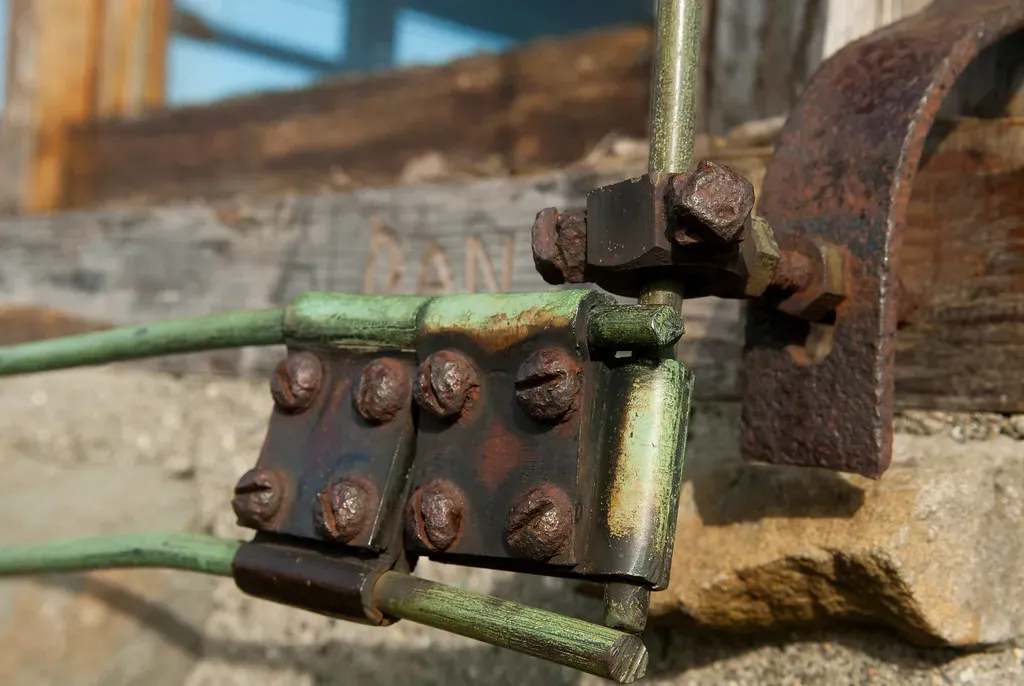
- Corrosion or deterioration
- Damage caused by debris
This can be especially important for commercial and industrial facilities with extensive rooftop equipment.
5. When New Rooftop Equipment Is Installed
Rooftops change frequently, particularly on commercial buildings.
A facility may add new HVAC equipment, antennas, satellite dishes, communications systems, vents, solar equipment, cameras, or other rooftop components long after the original lightning protection system was installed.
These additions can change the geometry and protection requirements of the roof. LPI notes that additions and alterations can require extensions or modifications to an existing lightning protection system.
Having the system evaluated after rooftop modifications helps determine whether the existing configuration remains appropriate.
6. When You Notice Visible Damage or Corrosion
Some lightning protection problems can be visible even without specialized testing.
Property owners and facility managers should pay attention to obvious concerns such as:
- Loose cables
- Missing components
- Bent air terminals
- Damaged connectors
- Detached fasteners
- Corrosion
- Cut conductors
- Components displaced by construction work
These issues should not simply be left until the next scheduled inspection.
Professional inspection can determine whether visible damage affects system continuity or requires repair.
7. When You Don't Know the System's Inspection History
If you purchased a property with an existing lightning protection system, you may not know:
- When it was installed
- Who installed it
- When it was last inspected
- Whether repairs have been performed
- Whether building modifications affected it
- Whether documentation or testing records exist
In that situation, establishing a new inspection baseline can be valuable.
LPI specifically recommends scheduling an inspection and maintenance check when owners cannot determine whether an older system remains intact or compliant with applicable standards.
What Is Checked During a Lightning Protection Re-Inspection?
The scope depends on the property and type of inspection, but a professional evaluation may include examining air terminals, conductors, connections, bonding, grounding components, surge protection devices, attachment points, and changes made to the building.
Maintenance procedures can also include tightening clamps and splices, checking system resistance and grounding electrodes, inspecting surge protective equipment, and determining whether additions or structural changes have affected system effectiveness.
A more comprehensive inspection may also include continuity and grounding-related testing.
Why Re-Inspection Matters for Commercial and Industrial Facilities
Routine inspection is particularly important for properties where a lightning-related failure could have significant operational consequences.
Examples include:
- Manufacturing facilities
- Warehouses
- Data and telecommunications facilities
- Hospitals and healthcare facilities
- Airports
- Schools
- Oil and gas facilities
- Commercial buildings
- Critical infrastructure
These properties may undergo frequent renovations, equipment installations, electrical upgrades, and roof maintenance—all of which can affect an existing lightning protection system.
An inspection and maintenance program helps facility managers identify deficiencies and maintain the system as the building evolves.
Don't Wait Until the Next Storm
A lightning protection system may remain in place for decades, but the structure around it rarely stays exactly the same.
Roof replacements, renovations, new equipment, severe weather, corrosion, maintenance work, and lightning events can all create reasons to have the system evaluated again.
Regular lightning protection system re-inspections help verify that components remain connected, properly maintained, and appropriate for the structure they are intended to protect.
Schedule a Lightning Protection System Inspection
Not sure when your lightning protection system was last inspected? Recently replaced your roof, modified your building, or added rooftop equipment?
Contact Site Safe Lightning Protection to schedule a professional lightning protection inspection. A proactive inspection can help identify damaged, disconnected, deteriorated, or altered components before they affect the system's intended performance.
Protect your property before the next storm—schedule your lightning protection system re-inspection with Site Safe Lightning Protection today.
Talk to Site Safe Lightning Protection about your property.
Image credits
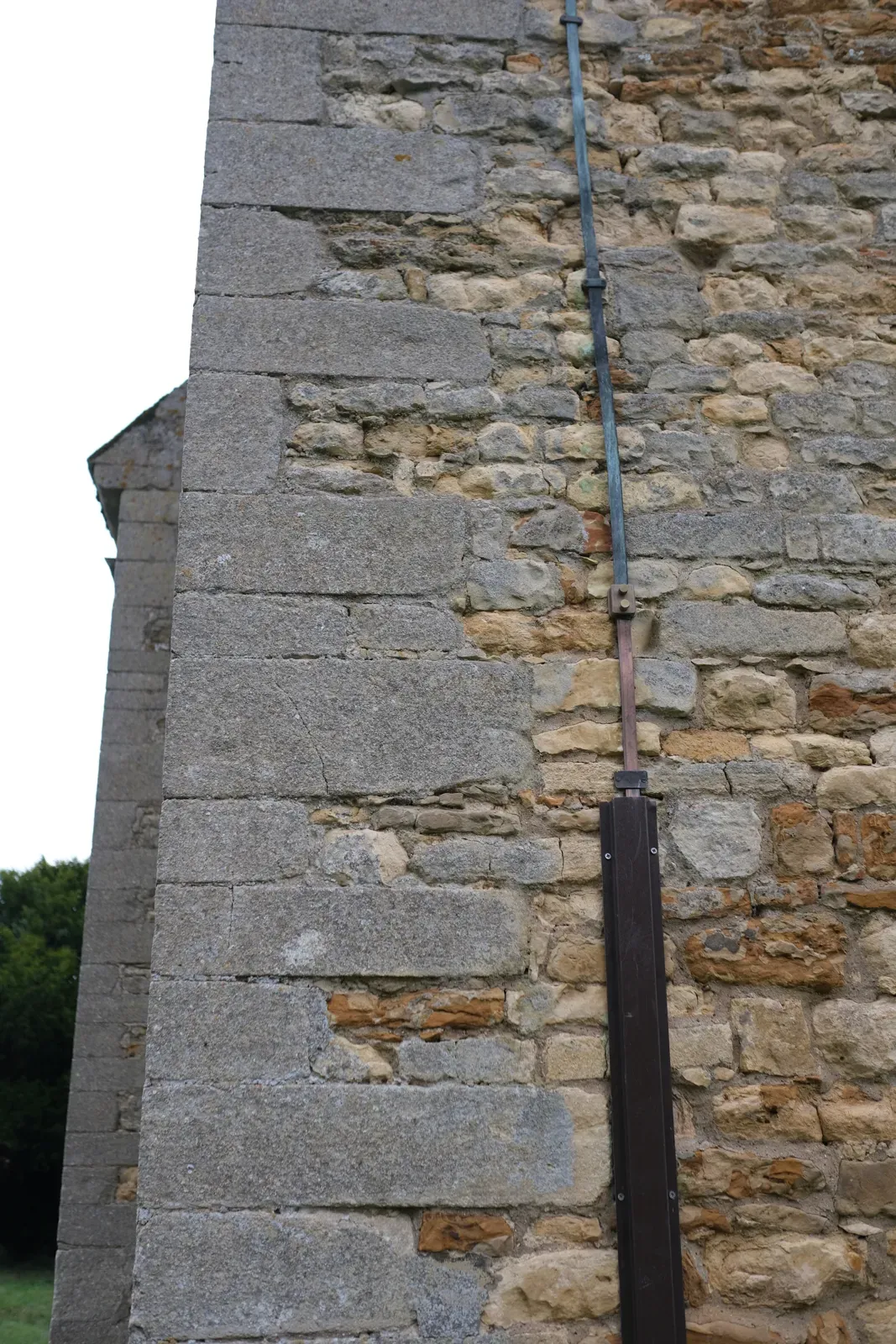
- Newly fitted lightning conductor running down a stone wall. Photo: Bob Harvey / geograph.org.uk via Wikimedia Commons (source), CC BY-SA 2.0, resized.