What Is Tested During a Lightning Protection Inspection?
By Site Safe Lightning Protection 4 min read
Is Your Lightning Protection System Ready for the Next Storm?
Installing a lightning protection system is only the first step in protecting your property. Over time, weather, corrosion, construction activity, and normal wear can affect the performance of the system. That is why routine lightning protection inspections are essential for maintaining safety, reliability, and compliance.
Whether you manage a commercial building, industrial facility, manufacturing plant, or critical infrastructure, knowing what is tested during a lightning protection inspection helps ensure your system remains prepared to safely manage lightning strikes.
Why Are Lightning Protection Inspections Important?
Lightning protection systems are designed to safely intercept lightning and direct electrical energy into the ground. However, if any part of the system becomes damaged or disconnected, it may not perform as intended during a storm.
Routine inspections help:
- Verify system integrity
- Identify damaged components
- Detect corrosion or loose connections
- Improve electrical grounding performance
- Reduce equipment damage risks
- Support compliance with industry standards
- Extend the life of the system
Professional inspections provide peace of mind that your investment continues to protect your facility.
What Is Tested During a Lightning Protection Inspection?
A complete inspection evaluates every major component of the lightning protection system.
Air Terminals (Lightning Rods)
Air terminals are inspected to verify they remain:
- Properly secured
- Correctly positioned
- Free from damage
- Adequately spaced
- Structurally sound
Missing or damaged air terminals reduce the system's ability to intercept lightning safely.
Conductors
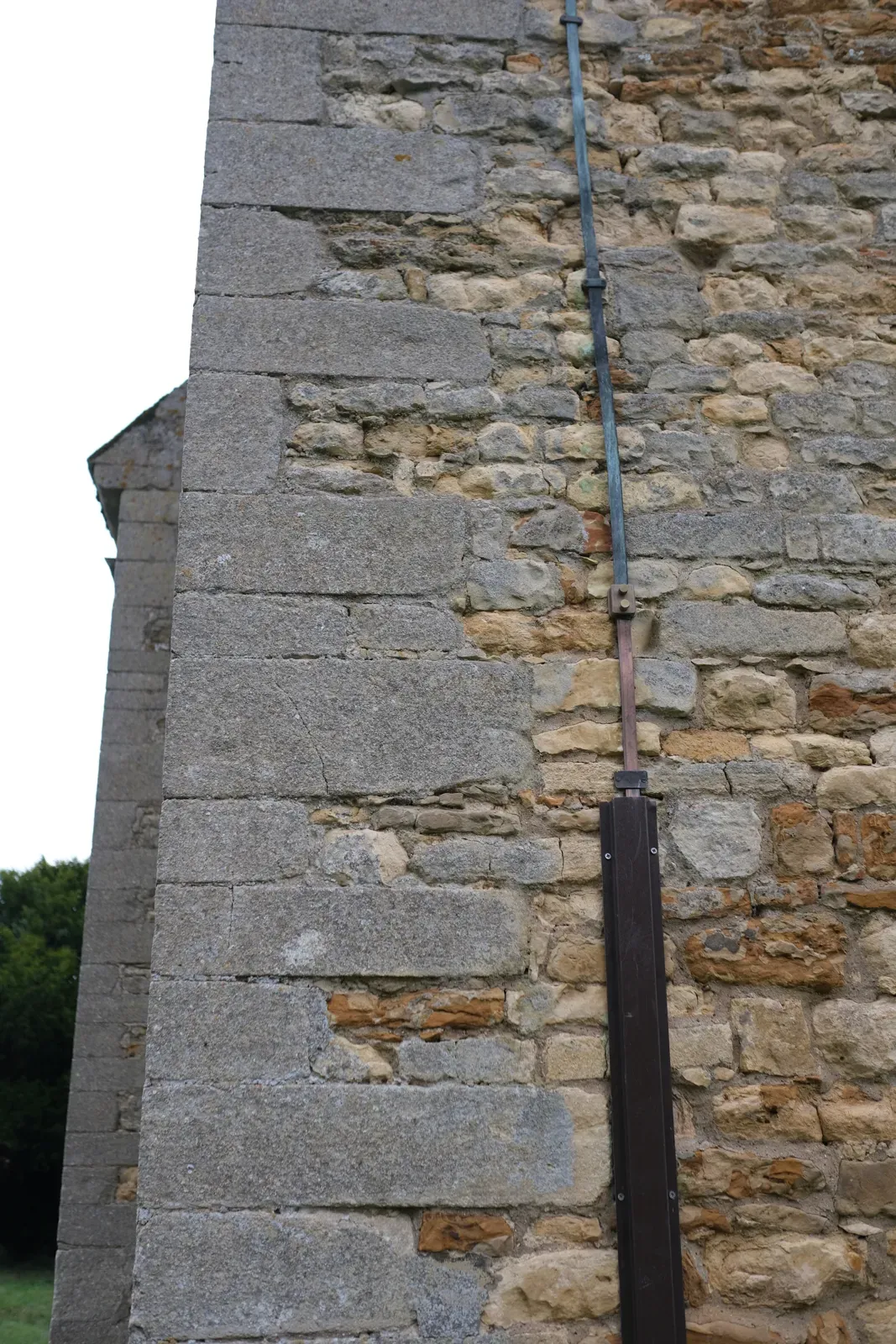
Conductors carry lightning energy from the air terminals to the grounding system.
Inspectors examine conductors for:
- Physical damage
- Loose connections
- Corrosion
- Broken sections
- Improper routing
- Secure attachment to the structure
Even minor conductor damage can compromise system performance.
Bonding Connections
Bonding ensures all metallic components remain electrically connected.
Technicians verify bonding between:
- Structural steel
- HVAC equipment
- Metal piping
- Rooftop equipment
- Communication systems
- Mechanical systems
Proper bonding reduces dangerous voltage differences during a lightning event.
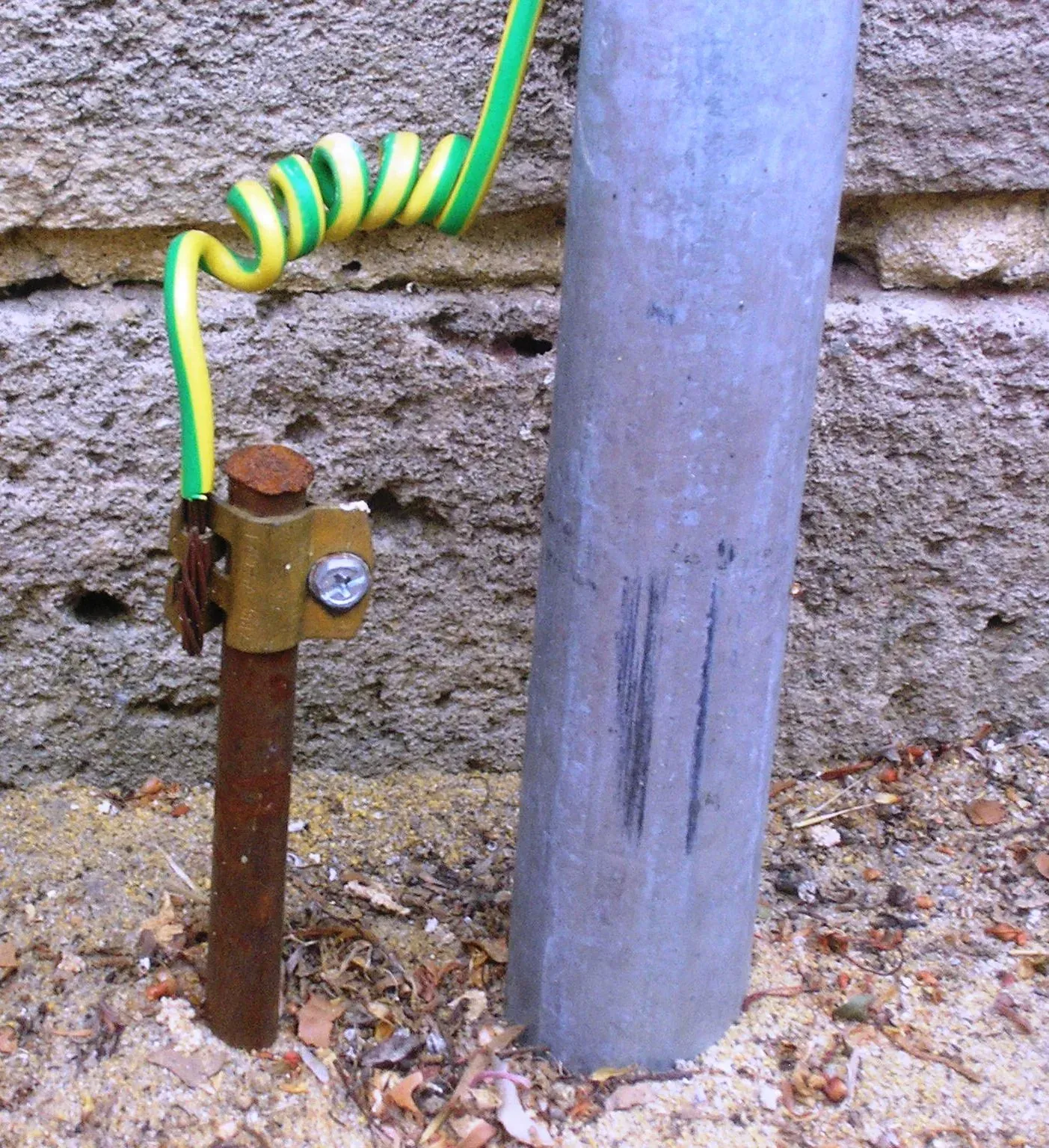
Grounding System
The grounding system is one of the most critical parts of the inspection.
Grounding evaluations include:
- Ground electrode condition
- Ground conductor integrity
- Connection security
- Corrosion checks
- Ground resistance testing (when required)
Proper grounding safely dissipates lightning energy into the earth.
Surge Protection Devices
Modern facilities rely on surge protection devices to protect sensitive electrical equipment.
Inspectors verify:
- SPD condition
- Installation integrity
- Serviceability
- Signs of overload
- Replacement requirements
This helps protect:
- Computers
- Control systems
- Automation equipment
- Security systems
- Electrical panels
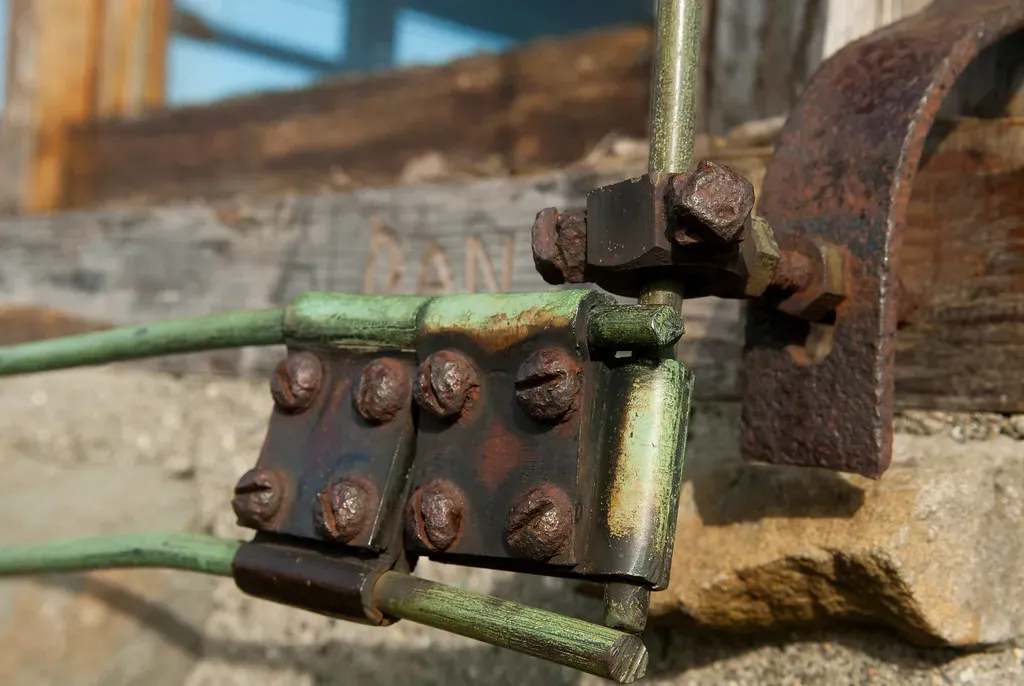
Mechanical Attachments
Every attachment point is examined for:
- Loose fasteners
- Corrosion
- Structural movement
- Physical damage
- Weather-related deterioration
Secure attachment points ensure conductors remain in place during severe weather.
Corrosion Assessment
Environmental exposure can gradually damage system components.
Inspectors check for:
- Rust
- Galvanic corrosion
- Moisture damage
- Oxidation
- Deteriorated hardware
Early detection helps prevent expensive repairs later.
Overall System Continuity
Technicians verify that every component remains electrically connected throughout the complete lightning protection system.
Continuity testing confirms there are no interruptions that could prevent lightning energy from safely reaching the grounding system.
Additional Testing for Commercial and Industrial Facilities
Industrial facilities often require additional inspection procedures.
These may include:
- Ground resistance measurements
- Electrical continuity testing
- Structural expansion reviews
- Utility equipment inspections
- High-value equipment protection
- Critical infrastructure evaluations
- Hazardous location assessments
Facilities with complex electrical systems often require more comprehensive inspections.
Common Problems Found During Inspections
Professional inspections frequently identify issues such as:
- Loose conductors
- Corroded connections
- Damaged lightning rods
- Missing bonding connections
- Worn grounding electrodes
- Physical damage from roofing work
- Construction-related system alterations
- Failed surge protection devices
Correcting these issues helps restore system performance before severe weather arrives.
How Often Should Lightning Protection Systems Be Inspected?
Inspection frequency depends on the property type and operating environment.
Many facilities benefit from:
- Annual inspections
- Post-storm inspections
- Inspections after roof replacement
- Inspections following renovations
- Scheduled preventive maintenance programs
Industrial facilities and critical infrastructure often require more frequent evaluations.
Benefits of Professional Lightning Protection Inspections
Routine inspections provide several advantages:
Improved Safety
Identifies hazards before they become serious problems.
Better Equipment Protection
Helps reduce electrical damage caused by lightning.
Reduced Downtime
Reliable systems help keep operations running during severe weather.
Compliance Support
Supports adherence to industry standards and recommended maintenance practices.
Lower Long-Term Costs
Finding small issues early often prevents larger, more expensive repairs.
Protect Your Facility Before the Next Storm
Lightning protection systems are only effective when every component is functioning correctly. Routine inspections help ensure your system remains ready to protect people, equipment, and critical infrastructure when severe weather strikes.
Whether you operate a commercial property, industrial facility, manufacturing plant, or municipal building, professional inspections are an important part of long-term facility protection.
Contact Site Safe Lightning Protection today to schedule a comprehensive lightning protection inspection and help keep your facility safe, compliant, and prepared year-round.
Related Articles
- Benefits of Professional Lightning Protection Inspections for Industrial Facilities – Learn why routine inspections improve safety, reduce downtime, and extend the life of industrial lightning protection systems.
- Why Commercial Lightning Protection Is Essential for Colorado Businesses – Discover how professionally engineered lightning protection systems safeguard commercial properties, employees, equipment, and business operations throughout Colorado.
Talk to Site Safe Lightning Protection about your property.
Image credits
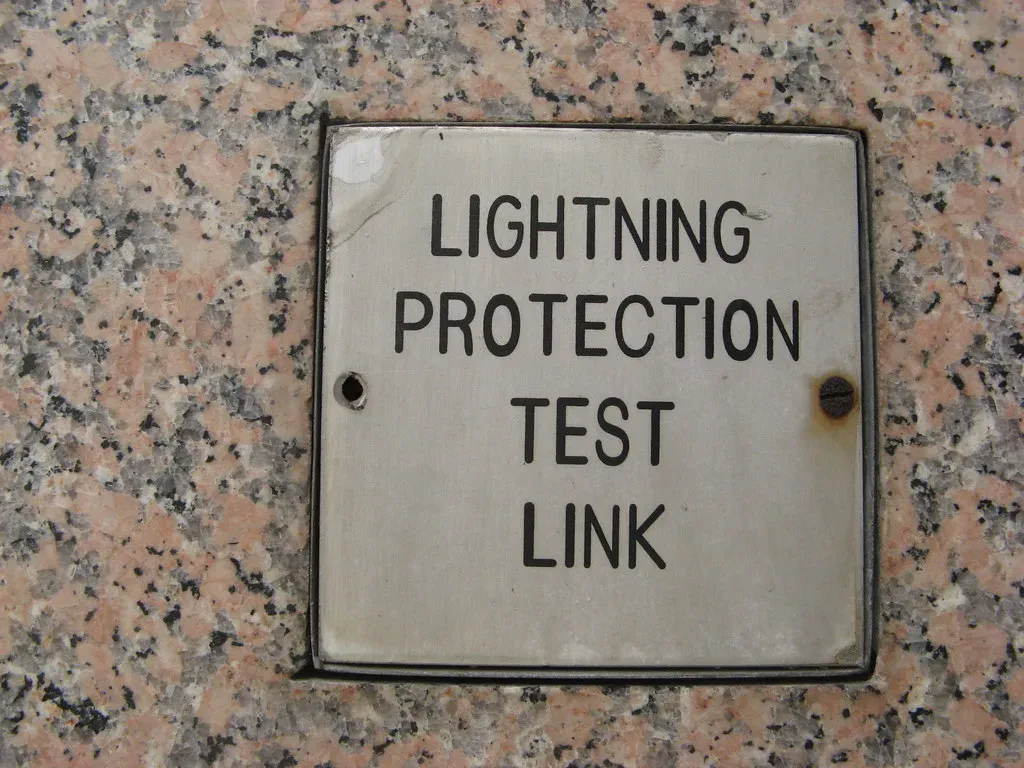
- Metal plate marked Lightning Protection Test Link set into a stone wall. Photo: tnarik via Flickr (source), CC BY-SA 2.0, resized.