The Difference Between Surge Protection and Lightning Protection
By Site Safe Lightning Protection 4 min read
Many Homeowners Think They're the Same—They're Not
When it comes to protecting your home from electrical damage, many people assume that installing a whole-home surge protector provides complete protection against lightning. While surge protection is an important part of electrical safety, it does not replace a professionally designed lightning protection system.
Understanding the difference between surge protection and lightning protection can help homeowners make informed decisions about safeguarding their property, electronics, appliances, and family from severe storms.
What Is Surge Protection?
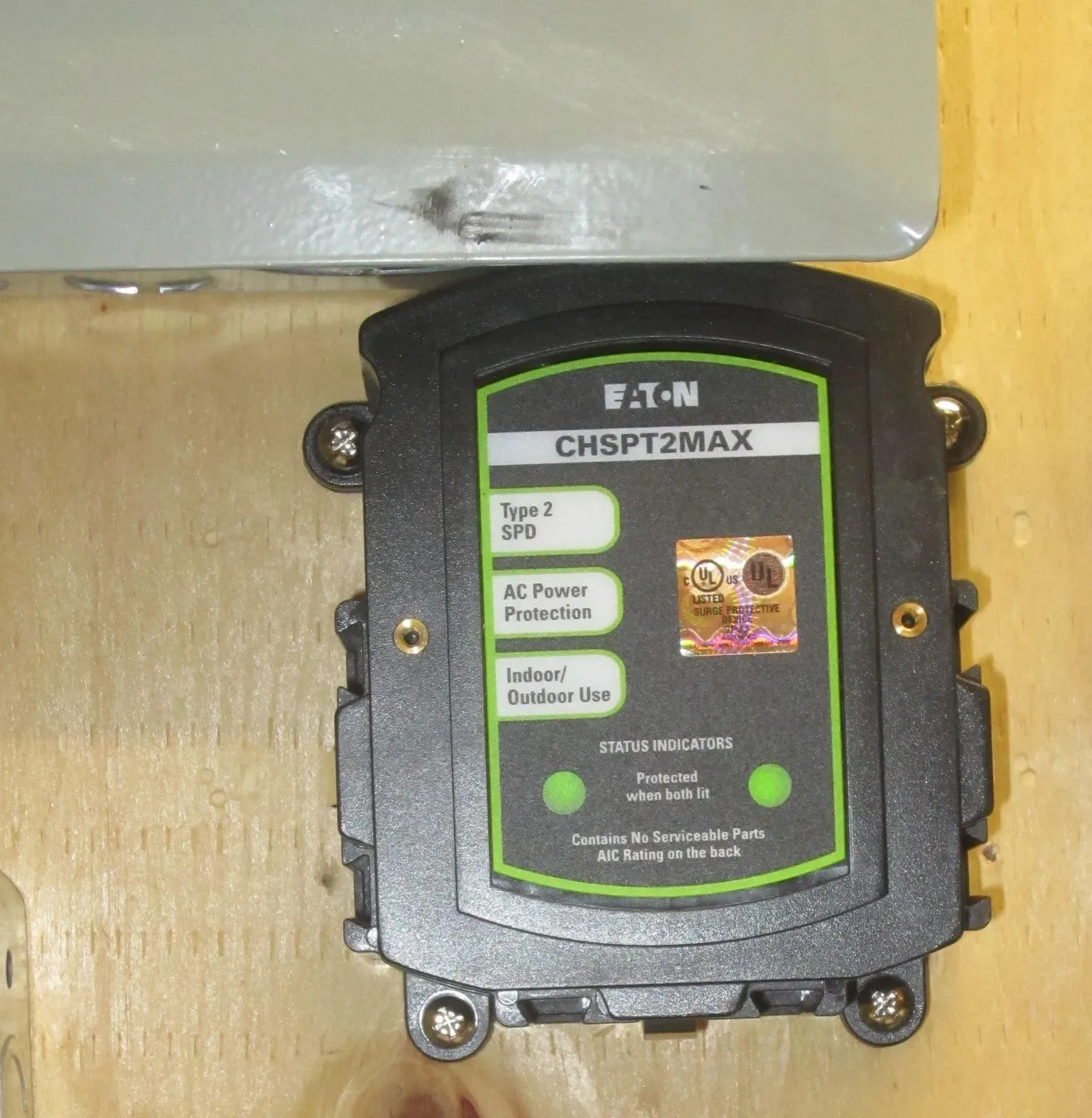
A surge protection system is designed to protect your home's electrical system from voltage spikes, also known as electrical surges.
These surges can be caused by:
- Utility power fluctuations
- Power grid switching
- Large appliances cycling on and off
- Electrical faults
- Nearby lightning activity
A whole-home surge protector is typically installed at the main electrical service panel and helps reduce excess voltage before it reaches sensitive electronics.
Surge protection helps protect:
- Televisions
- Computers
- Smart home devices
- Refrigerators
- HVAC equipment
- Kitchen appliances
- Home entertainment systems
While surge protectors are valuable, they are only one layer of protection.
What Is a Lightning Protection System?
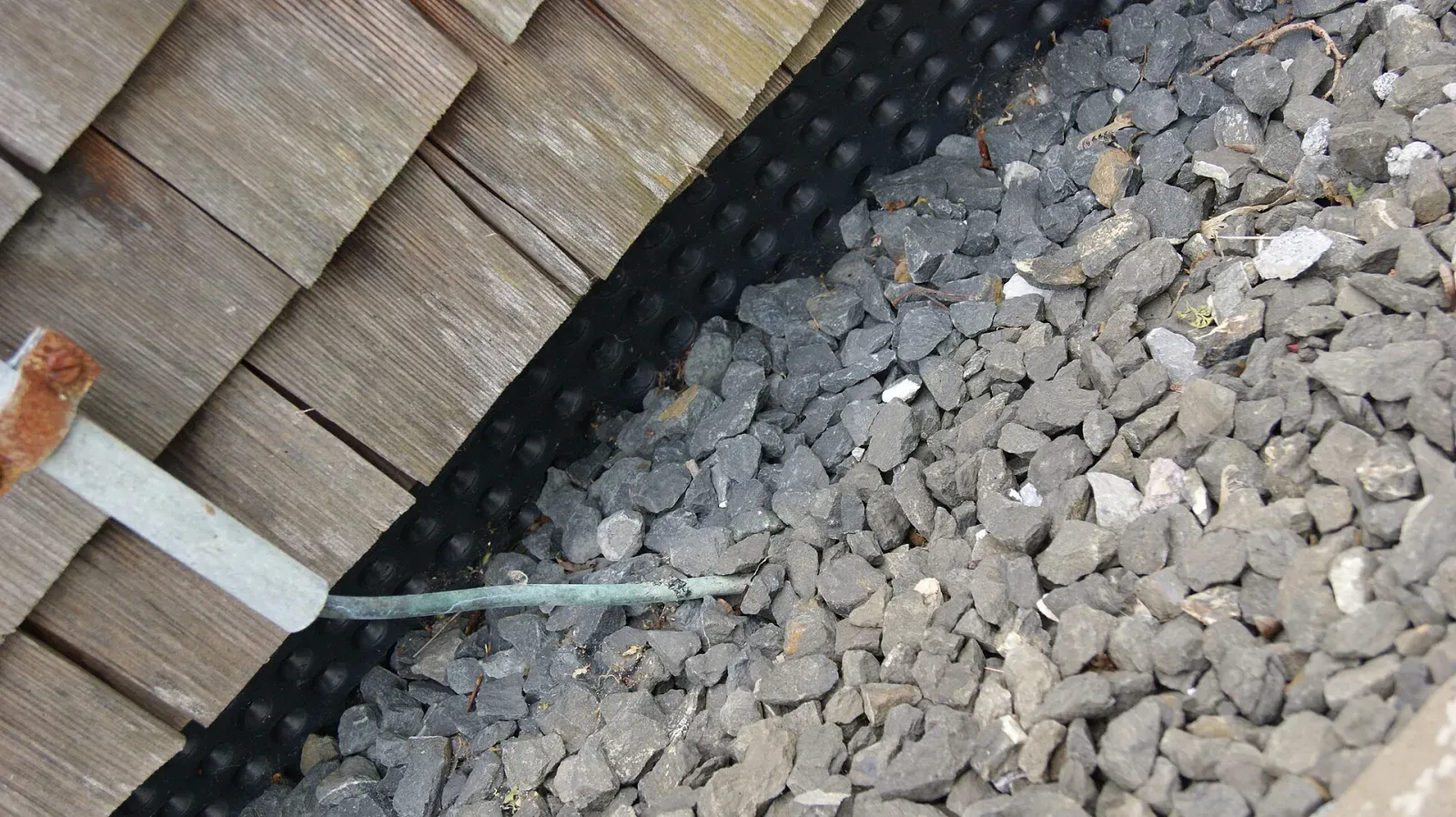
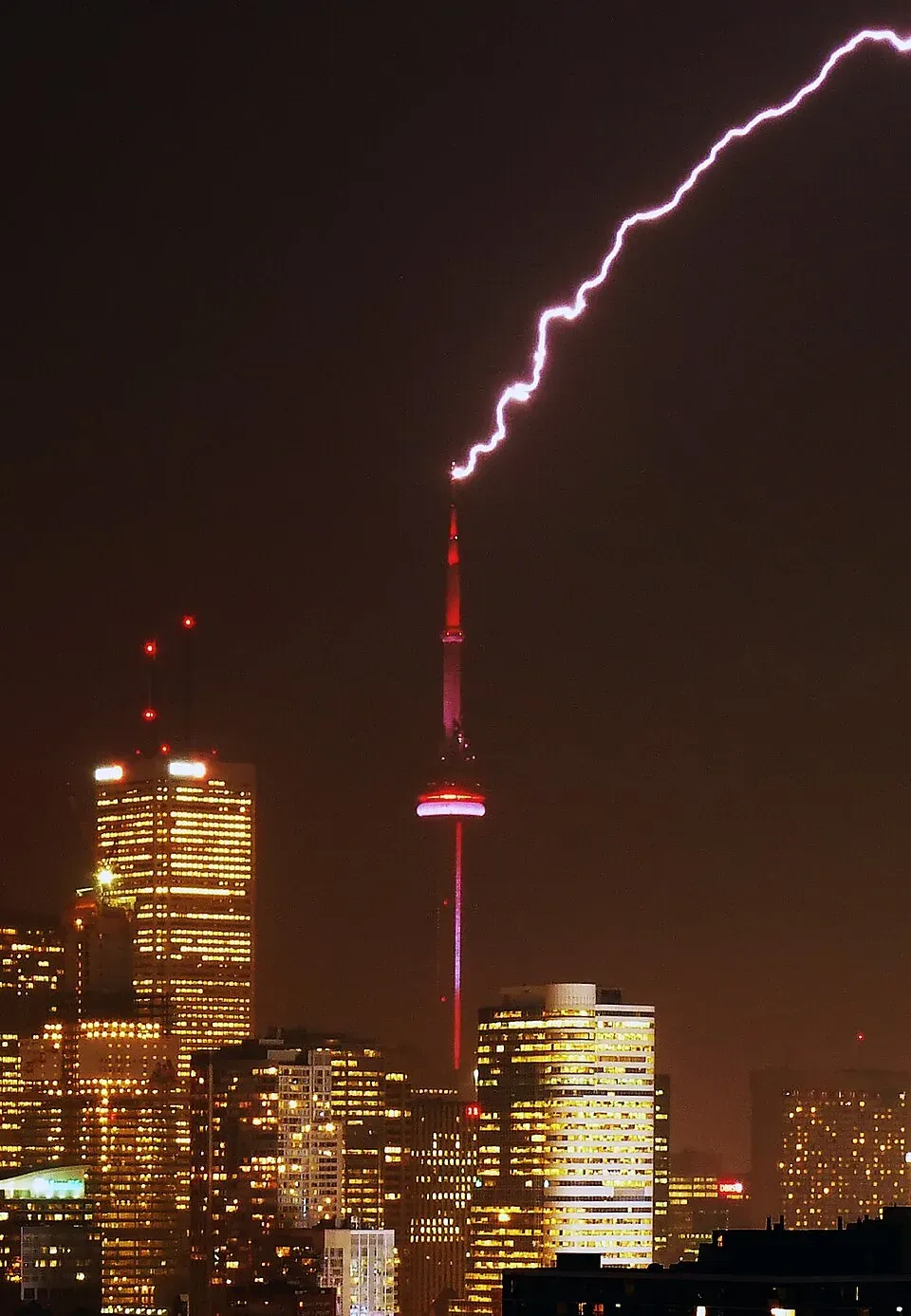
A lightning protection system is designed to safely intercept and redirect the massive electrical energy produced by a direct lightning strike.
Instead of allowing lightning to travel through your home's structure, wiring, or plumbing, the system provides a controlled path that directs the energy safely into the ground.
A professionally installed residential lightning protection system typically includes:
- Air terminals (lightning rods)
- Roof conductors
- Bonding connections
- Grounding electrodes
- Ground conductors
- Surge protection integration
Together, these components help reduce the risk of:
- Structural fires
- Roof damage
- Electrical system failure
- Damage to appliances
- Damage to electronics
- Personal injury
Surge Protection vs. Lightning Protection
Although they work together, they serve different purposes.
Surge Protection
- Protects against electrical voltage spikes
- Installed at the electrical panel
- Protects electronics and appliances
- Helps reduce electrical surge damage
- Cannot safely manage a direct strike
Lightning Protection
- Protects against direct lightning strikes
- Installed throughout the structure
- Protects the entire building
- Safely redirects lightning into the ground
- Designed specifically for lightning events
The most effective protection combines both systems.
Why Surge Protectors Alone Are Not Enough
One of the most common misconceptions is that a whole-home surge protector can stop a direct lightning strike.
In reality:
- Surge protectors are not designed to intercept lightning.
- They cannot safely carry millions of volts of electrical energy.
- They do not protect the roof or structural components.
- They cannot replace lightning rods or grounding systems.
Without a complete lightning protection system, a direct strike can still cause catastrophic damage.
Why Homes in Storm-Prone Areas Need Both
Homes in areas with frequent thunderstorms are especially vulnerable to lightning-related damage.
A combined protection strategy helps safeguard:
- Roofing systems
- Electrical wiring
- Plumbing systems
- HVAC equipment
- Solar panels
- Smart home technology
- Home offices
- Security systems
- Appliances
- Personal electronics
Together, surge protection and lightning protection provide multiple layers of defense.
Benefits of Installing Both Systems
Combining surge protection with a professionally engineered lightning protection system offers several advantages.
Greater Protection
Protects both the home's structure and its electrical systems.
Reduced Repair Costs
Helps minimize expensive storm-related damage.
Improved Safety
Provides a safer path for lightning energy away from the building.
Equipment Protection
Reduces the likelihood of damaged electronics and appliances.
Long-Term Peace of Mind
Knowing your home has comprehensive protection allows you to face storm season with greater confidence.
Frequently Asked Questions
Is a whole-home surge protector enough to protect my home?
No. Whole-home surge protectors help reduce electrical surges but do not provide protection from direct lightning strikes.
What does a lightning rod do?
Lightning rods intercept lightning and safely direct the electrical energy into the ground through a network of conductors and grounding electrodes.
Can lightning damage my home without a direct strike?
Yes. Nearby lightning strikes can induce powerful electrical surges that travel through utility lines and damage electrical equipment.
Should I install both systems?
Yes. Surge protection and lightning protection work together to provide comprehensive protection for your home.
Do lightning protection systems require maintenance?
Yes. Routine inspections help verify that conductors, grounding systems, bonding connections, and air terminals remain in proper working condition.
Protect Your Home Before the Next Storm
Lightning strikes can happen without warning, and the damage can be significant. While surge protection helps defend your home's electrical system, it cannot replace the protection provided by a professionally engineered lightning protection system.
Installing both systems provides the most complete defense against storm-related electrical damage, helping protect your home, family, and valuable electronics for years to come.
If you live in an area with frequent thunderstorms, consult a qualified lightning protection specialist to determine the right solution for your property.
Related Articles
→ Do Surge Protectors Protect Your Home from Lightning?
Learn why surge protectors are only one part of a complete home lightning protection strategy and how they work alongside lightning rods and grounding systems.
→ Common Myths About Home Lightning Protection Systems
Discover the truth behind common misconceptions about residential lightning protection and learn why professionally installed systems provide reliable, long-term protection.
Talk to Site Safe Lightning Protection about your property.
Image credits
- Whole-house surge protective device mounted on a wall. Photo: Wtshymanski via Wikimedia Commons (source), CC BY-SA 3.0, resized.