How Often Should Commercial Lightning Protection Systems Be Inspected?
By Site Safe Lightning Protection 5 min read
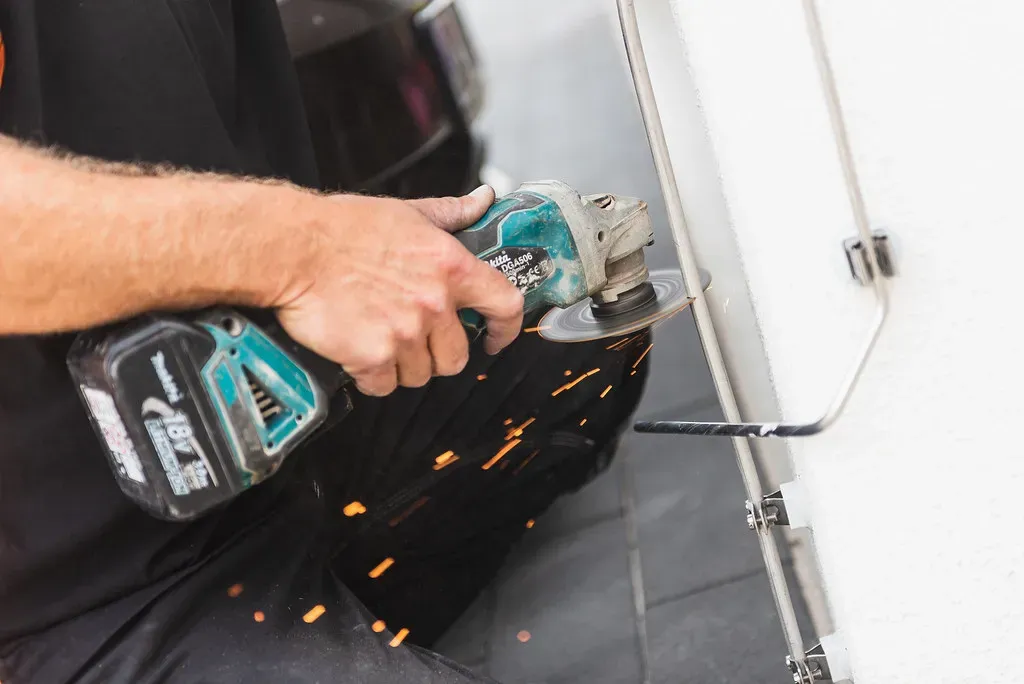
A commercial lightning protection system is designed to help safely intercept, conduct, and disperse lightning energy into the ground. But installation is not the end of the process. Weather exposure, building modifications, corrosion, maintenance work, and physical damage can affect components over time.
That makes lightning protection inspection frequency an important part of protecting commercial buildings, industrial facilities, and critical infrastructure.
Regular professional inspections can identify damaged, disconnected, deteriorated, or altered components before they compromise the system's intended performance.
How Often Should a Lightning Protection System Be Inspected?
There is no single inspection interval that applies to every commercial property. The appropriate schedule depends on the system, facility, applicable standards or certification requirements, environmental exposure, and changes made to the structure.
In general, facility owners should establish a documented recurring inspection and maintenance program based on the requirements applicable to their system and facility.
Additional inspections may be appropriate after events that could affect the system, such as:
- Building additions, renovations, or roofing work
- Severe storms or a suspected/direct lightning strike
- Mechanical or electrical equipment installations
- Damage to rooftop components
- Grounding system modifications
- Excavation or construction near grounding components
- Significant corrosion or environmental exposure
- Changes to antennas, HVAC equipment, solar arrays, or other rooftop systems
A qualified lightning protection professional can determine the appropriate inspection schedule for the property and applicable requirements.
Why Are Routine Lightning Protection Inspections Important?
Lightning protection systems depend on multiple interconnected components. Air terminals, conductors, bonding connections, grounding electrodes, and surge protection measures must work together as an integrated system.
Even a professionally installed system can be affected by changes to the building.
For example, a roofing contractor could move a conductor during repairs. New HVAC equipment could change rooftop conditions. Construction work could damage a grounding connection. Corrosion could affect exposed components.
Routine inspections help identify these concerns before the next severe storm.
What Is Checked During a Commercial Lightning Protection Inspection?
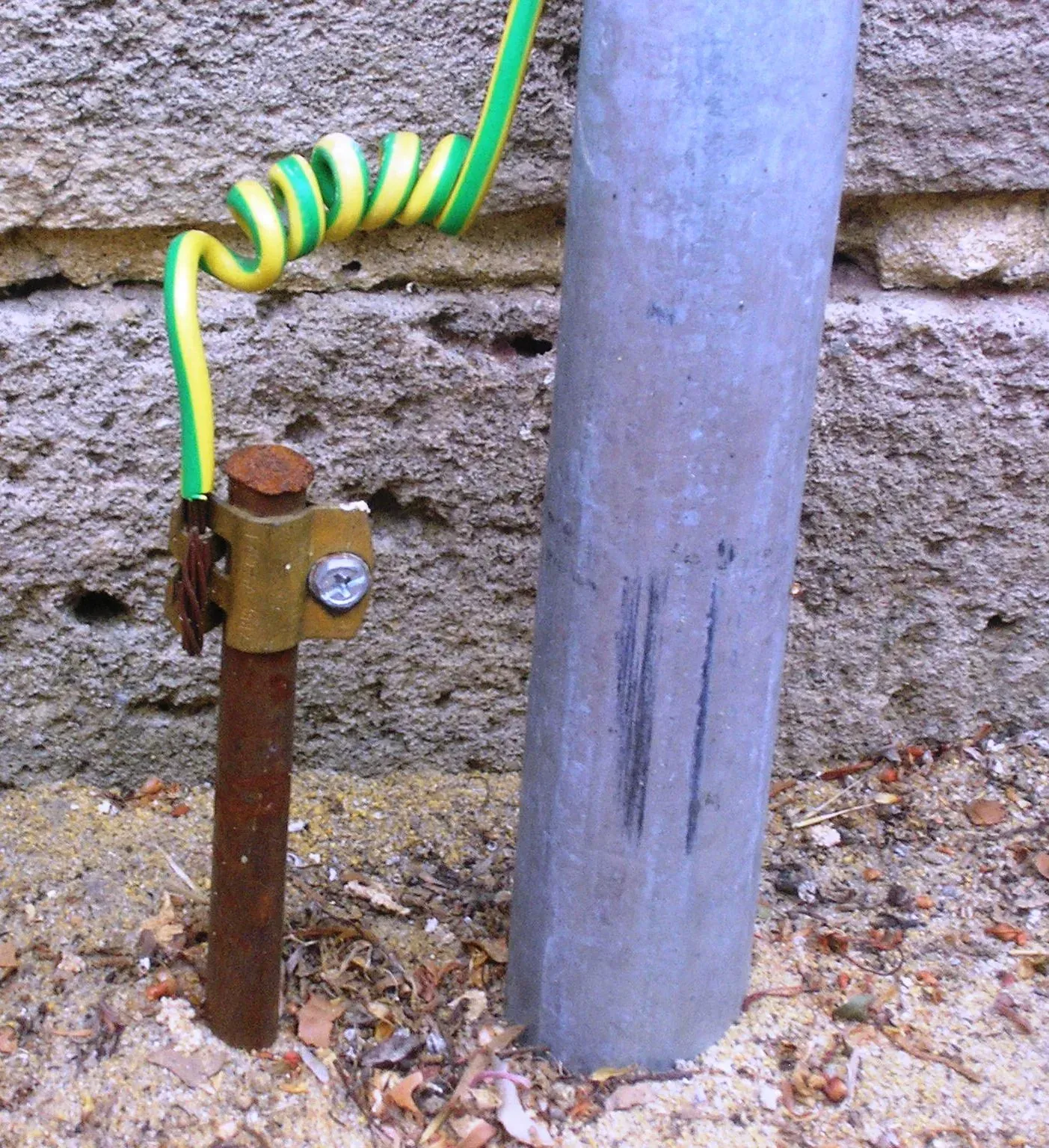
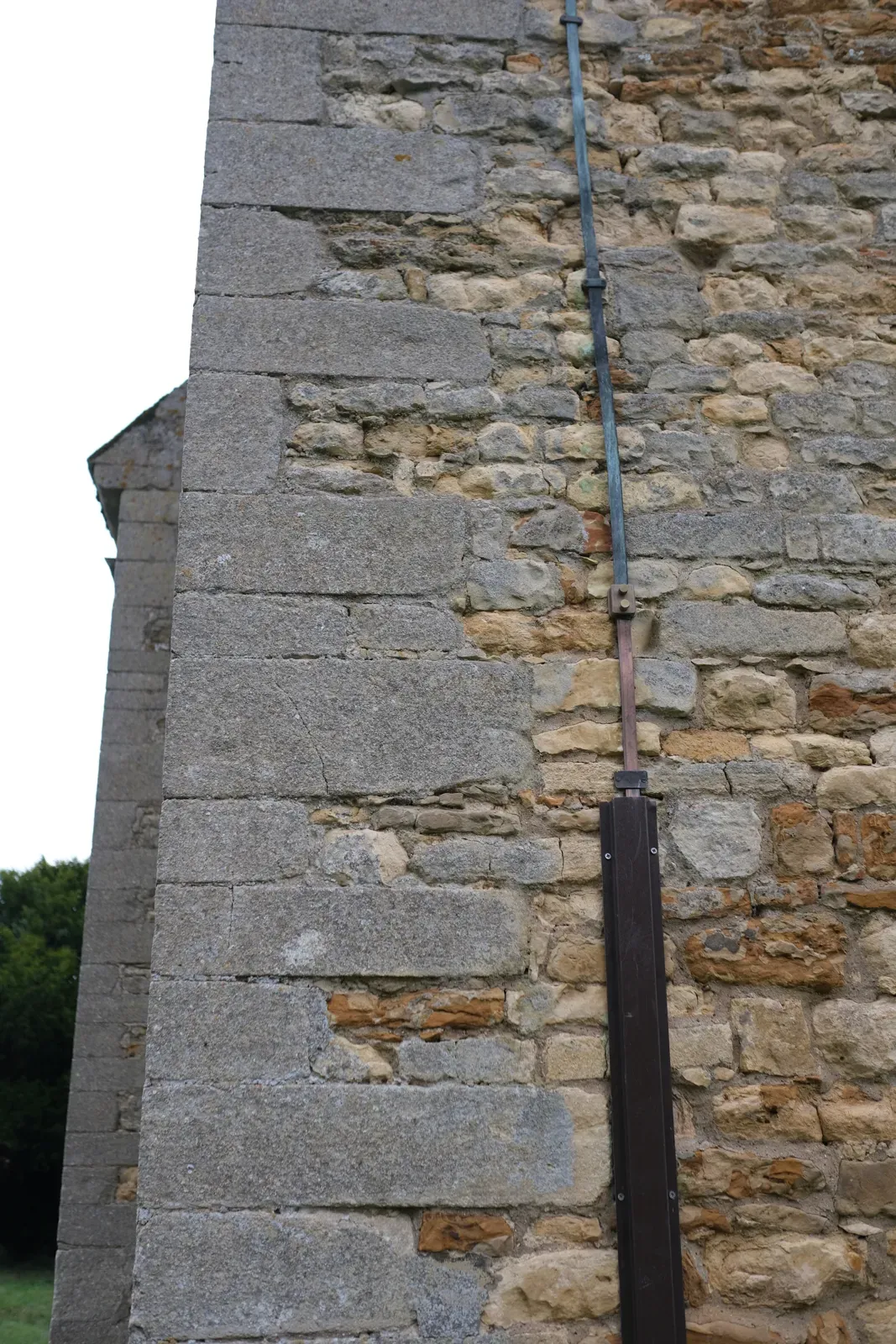
A professional inspection evaluates the condition and configuration of the lightning protection system. The exact scope depends on the property and system design, but an inspection may include examining air terminals, conductors, connections, bonding, grounding components, surge protective devices, and areas affected by building modifications.
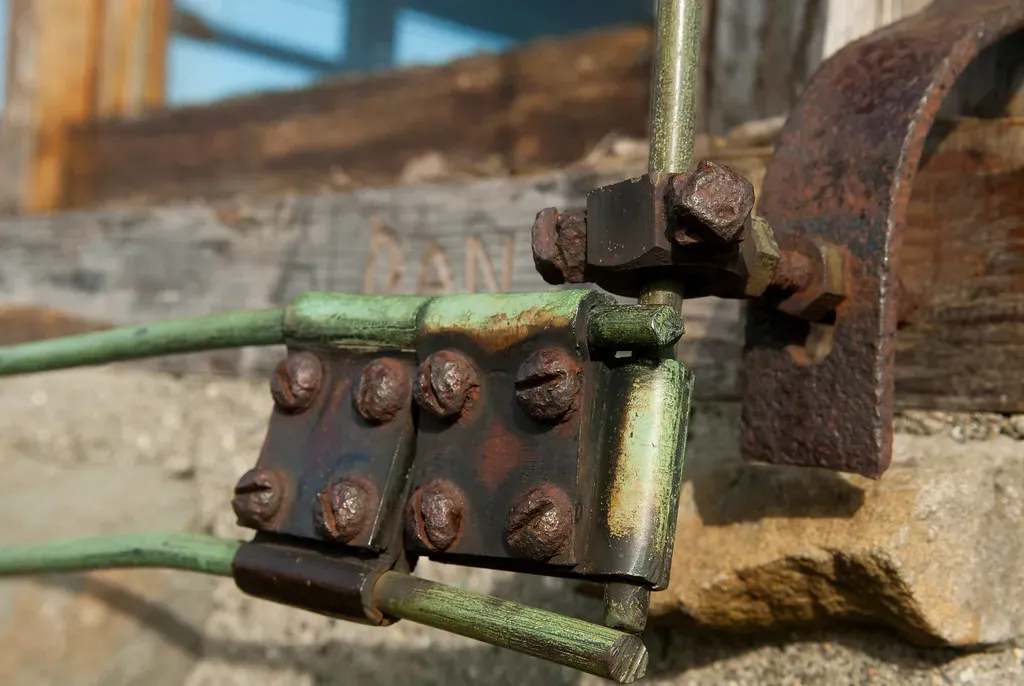
Inspectors may also look for loose connections, corrosion, physical damage, missing components, improper alterations, and other conditions that could interfere with system performance.
Where required, testing or measurements may also be performed as part of the evaluation.
Should a System Be Inspected After a Lightning Strike?
A known or suspected direct lightning strike is a strong reason to have the system evaluated.
Even when there is no obvious structural damage, a strike or associated electrical event may affect connections, grounding components, surge protective devices, or connected electrical systems.
A post-event inspection can help determine whether repairs, replacements, or further testing are necessary before relying on the system for future protection.
Building Renovations Can Affect Lightning Protection
One of the most important times to schedule an inspection is after construction or renovation.
Roof replacements, building expansions, new antennas, HVAC equipment, solar installations, communication equipment, and other modifications can alter the original lightning protection layout.
Components may need to be repositioned, extended, bonded, or otherwise modified to maintain the intended protection for the updated structure.
For this reason, lightning protection should be considered during project planning rather than after construction is complete.
Which Commercial Properties Need Regular Inspections?
Routine inspection and maintenance can be especially important for properties where equipment damage or downtime could have significant consequences, including commercial buildings, manufacturing plants, warehouses, data centers, oil and gas facilities, processing plants, healthcare facilities, utilities, telecommunications sites, and other critical infrastructure.
Facilities exposed to harsh environments, frequent construction activity, or severe weather may require closer attention.
Lightning Protection Inspection vs. Surge Protection Inspection
Lightning protection and surge protection address different aspects of electrical risk.
A building lightning protection system provides a controlled path for lightning current to travel toward ground. Surge protective devices help limit transient over voltages that can reach electrical and electronic equipment.
Because the two systems serve different purposes, inspecting one should not automatically be treated as an inspection of the other.
Related Article: The Difference Between Surge Protection and Lightning Protection
Why Professional Inspections Matter
A visual check by a building owner or maintenance team can identify obvious damage, but a professional lightning protection inspection provides a more comprehensive evaluation.
Qualified specialists can assess whether components remain properly positioned, connected, bonded, and grounded and whether building changes have affected the system.
Professional documentation can also provide facility managers with a record of inspections, identified deficiencies, maintenance, and repairs.
For commercial properties, that documentation can support ongoing risk-management and facility-maintenance programs.
Frequently Asked Questions
How often should commercial lightning protection systems be inspected?
Inspection frequency depends on the facility, system, environmental conditions, applicable standards, certification requirements, and building changes. Commercial property owners should establish a recurring inspection schedule with a qualified lightning protection professional rather than assuming one interval applies to every system.
Should lightning protection be inspected every year?
Some facilities may choose or be required to use annual inspections, while others may follow a different inspection cycle. The correct interval should be determined from the requirements applicable to the specific facility and lightning protection system.
Should lightning protection be inspected after roof work?
Yes. Roofing work can disturb air terminals, conductors, fasteners, and other rooftop components. An inspection after roof replacement or significant repairs can verify that the system remains properly configured.
Does a lightning protection system need maintenance?
Yes. Components can experience corrosion, physical damage, loose connections, or changes caused by building work. Routine inspection helps identify when maintenance or repairs are needed.
Should a system be checked after a lightning strike?
A professional evaluation is advisable after a known or suspected direct strike, particularly if there is evidence of damage, surge activity, or electrical problems.
Protect Your Commercial Property Before the Next Storm
A lightning protection system is an investment in the safety and resilience of your facility, but its long-term effectiveness depends on maintaining the complete system.
Establishing the appropriate lightning protection inspection frequency can help identify damage, deterioration, and building modifications before they become vulnerabilities.
Whether you operate an office building, warehouse, industrial plant, oil and gas facility, or critical infrastructure site, professional inspections can help keep your lightning protection strategy aligned with the condition and needs of your property.
Connect with Site Safe Lightning Protection experts to schedule a professional inspection and determine an appropriate inspection and maintenance program for your commercial facility.
Talk to Site Safe Lightning Protection about your property.