Why Commercial Lightning Protection Is Essential for Colorado Businesses
By Site Safe Lightning Protection 4 min read
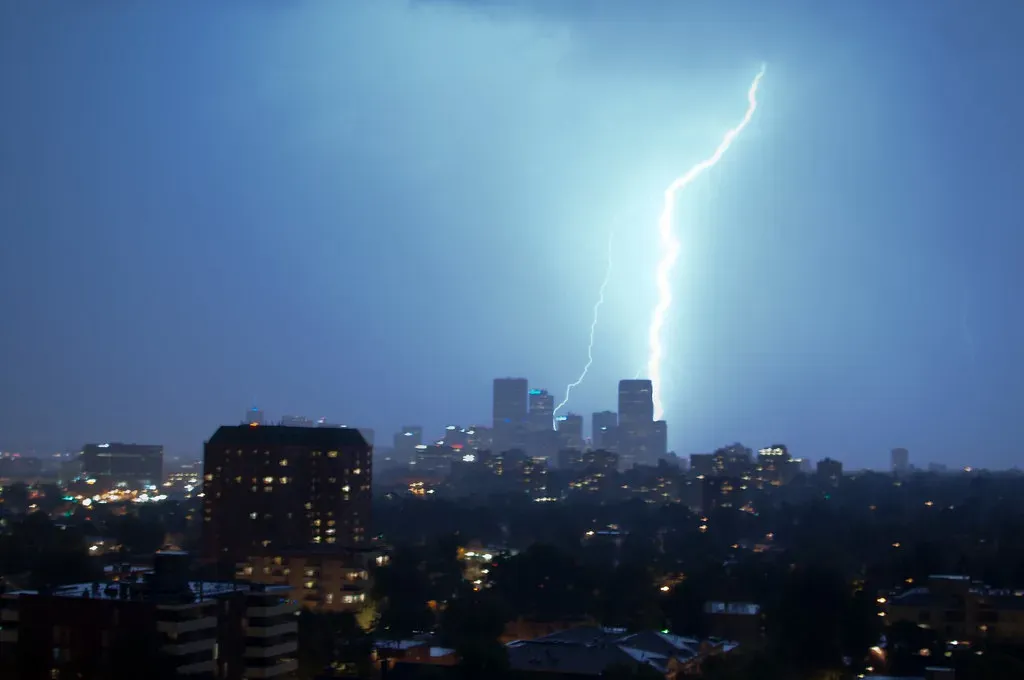
Colorado businesses face a wide range of weather-related risks throughout the year, including severe thunderstorms and dangerous lightning activity. Commercial properties often contain valuable electrical systems, sensitive equipment, communication infrastructure, and critical operational technology that can be damaged by lightning strikes and electrical surges.
Installing reliable commercial lightning protection Colorado systems helps businesses reduce the risk of structural damage, operational downtime, equipment failure, and costly repairs. Whether protecting office buildings, warehouses, industrial facilities, retail centers, or commercial campuses, professionally engineered lightning protection systems are an important investment in long-term safety and operational reliability.
Why Do Commercial Buildings Need Lightning Protection?
One of the most common questions property owners ask is: Why do commercial buildings need lightning protection?
Commercial buildings are especially vulnerable to lightning-related damage because they often contain:
- Large electrical systems
- Sensitive electronic equipment
- HVAC infrastructure
- Communication networks
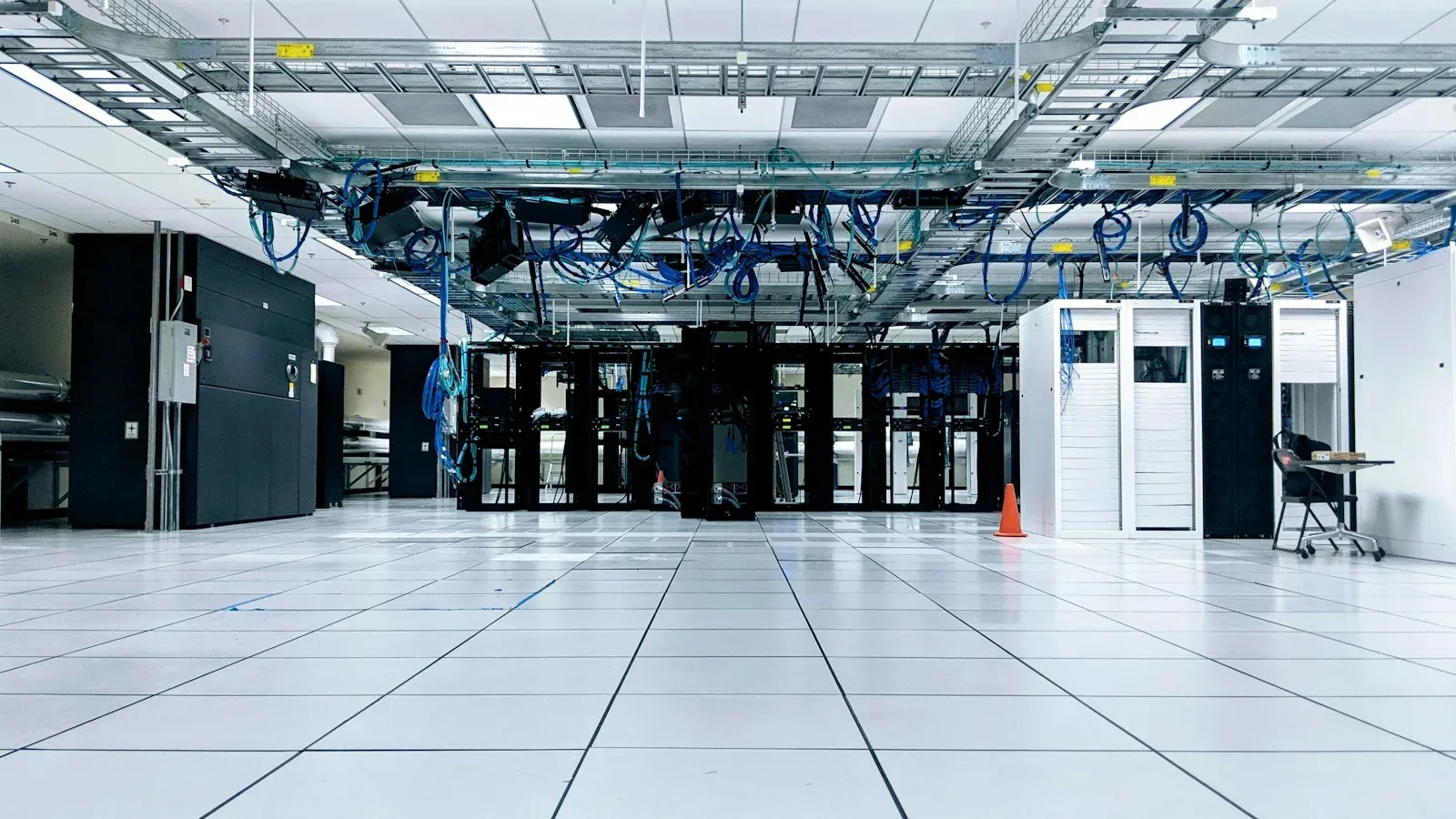
- Data systems and servers
- Metal roofing and structural components
- High-value operational equipment
A direct lightning strike or nearby electrical surge can damage critical infrastructure and disrupt daily operations. Even when lightning does not directly strike a building, nearby storms can generate powerful electrical surges capable of damaging connected systems.
Commercial lightning protection systems help safely direct electrical energy into the ground while reducing the risk of fires, equipment failure, and electrical hazards.
How Lightning Can Impact Commercial Properties
Lightning-related incidents can create serious operational and financial consequences for businesses.
Common risks include:
Electrical System Damage
Lightning surges can overload electrical panels, wiring, transformers, and connected equipment.
Fire Hazards
Electrical sparks or overheating caused by lightning strikes may lead to fires in commercial structures.
Data Loss and Technology Failure
Computers, servers, communication systems, and security infrastructure can be damaged during lightning events.
Operational Downtime
Unexpected shutdowns and equipment failures can interrupt business operations and reduce productivity.
Expensive Repairs and Insurance Claims
Repairing structural and electrical damage caused by lightning can become extremely costly without proper protection systems.
Because of these risks, many businesses now prioritize professionally engineered lightning protection systems as part of their facility safety strategy.
Is Lightning Protection Required for Commercial Properties?
Another common question is: Is lightning protection required for commercial properties?
Requirements vary depending on the type of facility, occupancy classification, building design, and local regulations. While not every commercial property is legally required to have a lightning protection system, many facilities benefit from compliance with nationally recognized safety standards and industry recommendations.
Commercial properties may require lightning protection when they:
- Store hazardous materials
- Contain critical electrical infrastructure
- Operate industrial equipment
- Serve large public occupancy areas
- Support healthcare or data operations
- Are located in high-risk storm regions
Professional site safe lightning protection systems help businesses meet safety expectations, improve risk management, and support insurance requirements.
What Is a Commercial Lightning Protection System?
A commercial lightning protection system is designed to safely intercept lightning strikes and direct electrical energy into the ground before it can damage the structure or connected systems.
Key system components often include:
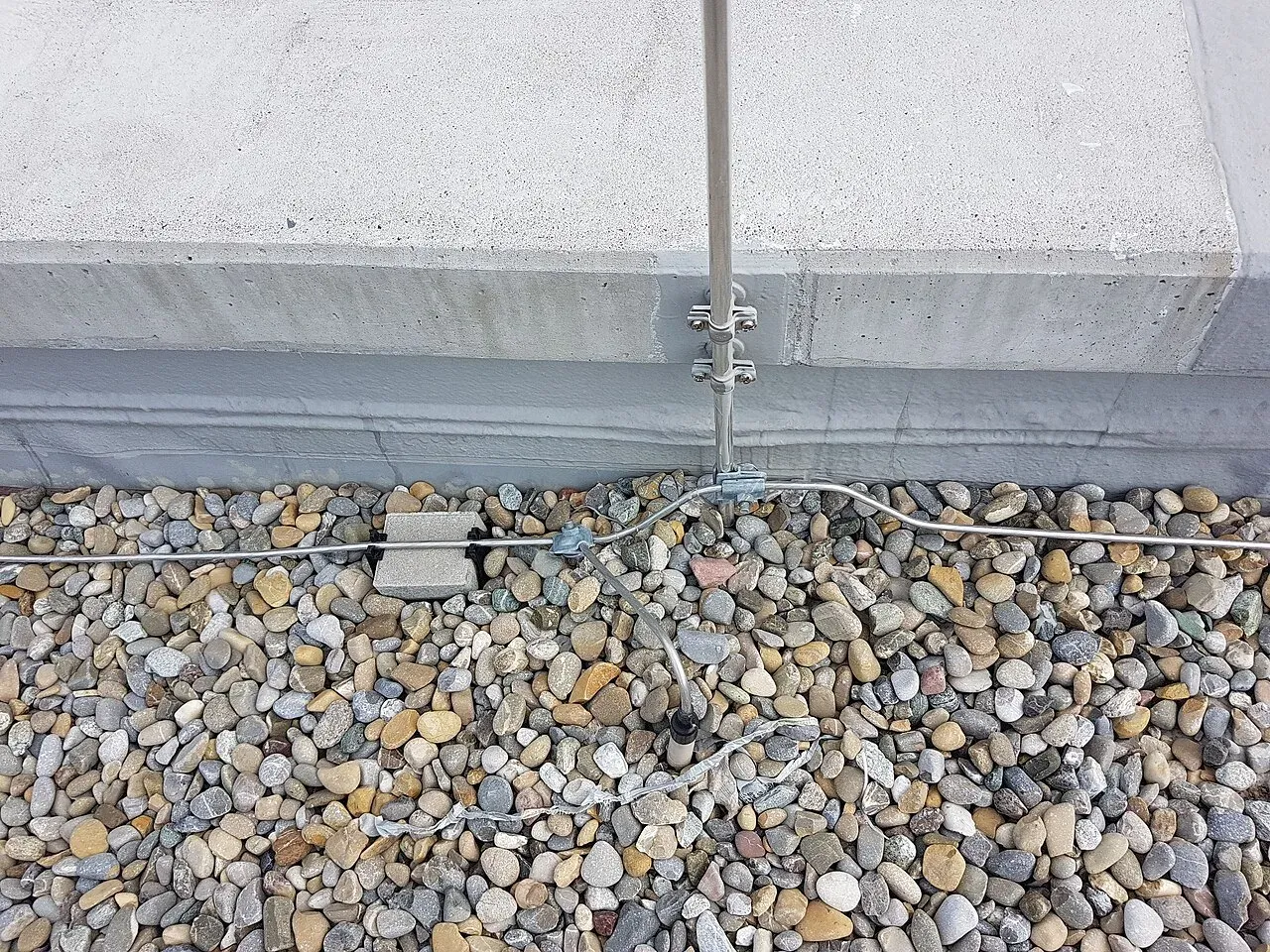
Air Terminals(Lightning Rods)
Installed on rooftops and elevated structures to intercept lightning strikes.
Conductors
Specialized cables that safely transfer electrical energy downward.
Grounding Systems
Grounding components safely disperse electrical energy into the earth.
Bonding Connections
Bonding equalizes electrical potential between metal systems to reduce spark risks.
Surge Protection Devices
Protect sensitive electronics and electrical systems from dangerous voltage spikes.
Together, these components create a complete protection system for commercial facilities.
Benefits of Commercial Lightning Protection for Colorado Businesses
Improved Property Protection
Professionally designed systems help reduce structural and electrical damage caused by lightning.
Reduced Operational Downtime
Protecting electrical systems helps businesses maintain operations during severe weather events.
Enhanced Safety
Lightning protection systems help reduce fire risks and electrical hazards for building occupants.
Protection for Sensitive Equipment
Computers, servers, communication systems, and automation equipment are better protected from surge damage.
Long-Term Cost Savings
Preventing damage and downtime can reduce costly repairs and business interruptions.
Increased Risk Management
Businesses demonstrate proactive safety planning and improved operational preparedness.
Why Colorado Businesses Face Increased Lightning Risks
Colorado experiences frequent thunderstorms, elevation changes, and rapidly changing weather conditions that can increase lightning activity. Commercial buildings located in open areas or industrial zones may face greater exposure to lightning-related risks.
Industries that commonly benefit from commercial lightning protection Colorado systems include:
- Manufacturing facilities
- Warehouses
- Oil and gas operations
- Agricultural facilities
- Retail centers
- Office complexes
- Healthcare facilities
- Educational campuses
- Data centers
Businesses that rely heavily on electrical infrastructure and uninterrupted operations should strongly consider professional lightning protection systems.
The Importance of Professional Lightning Protection Installation
Proper installation is critical for effective system performance. Professional installers evaluate:
- Building design and height
- Roof structures
- Grounding requirements
- Electrical infrastructure
- Site-specific lightning exposure risks
- Compliance standards and recommendations
Working with experienced providers ensures the system is designed to deliver dependable long-term protection.
Routine Inspections and Maintenance Matter
Commercial lightning protection systems should be inspected regularly to ensure continued performance and compliance.
Routine inspections help identify:
- Damaged conductors
- Corrosion issues
- Loose bonding connections
- Grounding system performance problems
- Surge protection failures
Preventative maintenance helps reduce the risk of system failure during severe weather conditions.
Protect Your Colorado Business with Site Safe Lightning Protection
Lightning-related damage can disrupt operations, damage expensive infrastructure, and create serious safety risks for commercial properties. Investing in professional commercial lightning protection Colorado systems helps businesses reduce these risks while protecting employees, customers, equipment, and operations.
Reliable site safe lightning protection solutions provide long-term safety, improved operational reliability, and greater peace of mind during Colorado’s severe weather conditions.
Protect your Colorado business before the next storm hits. Contact Site Safe Lightning Protection today for a professional lightning protection consultation.
Talk to Site Safe Lightning Protection about your property.