
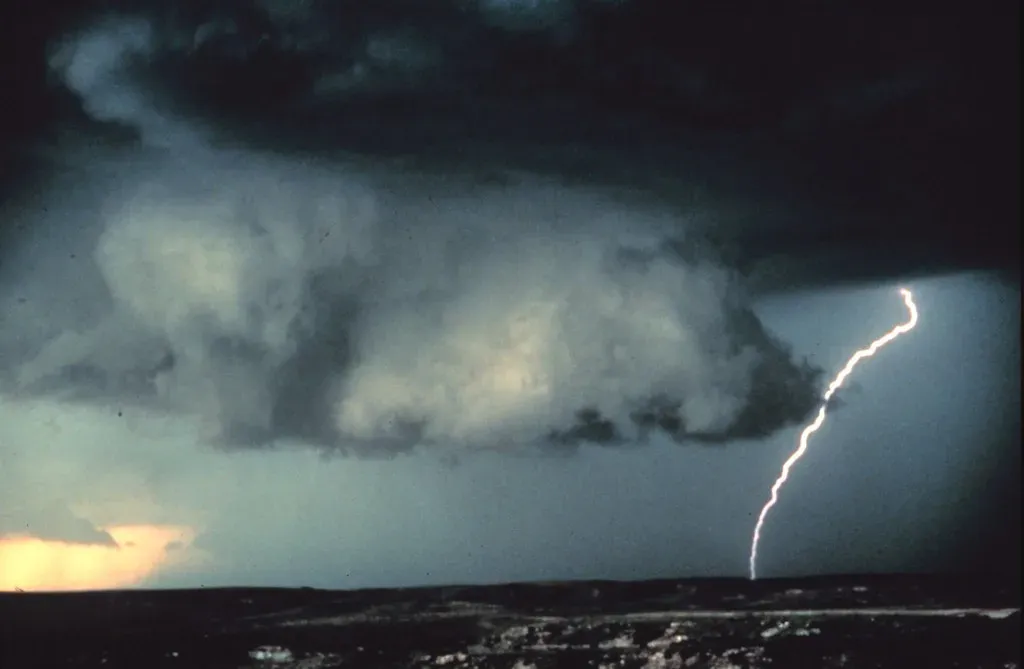
Oil & Gas Facility Lightning Protection Systems
Protect Oilfield Operations, Equipment, Storage Tanks, and Personnel with Professionally Engineered Lightning Protection and Grounding Solutions
Professional oil & gas facility lightning protection systems are essential for protecting high-risk industrial environments from lightning strikes, electrical surges, fire hazards, and costly operational downtime. Our engineered solutions are designed to safeguard drilling rigs, storage tanks, pipelines, processing equipment, and critical infrastructure in demanding oilfield environments. With professionally installed lightning protection for oil and gas facilities, operators can improve safety, reduce explosion risks, and maintain reliable operations during severe weather conditions.
As experienced oilfield lightning protection contractors, we provide complete system design, installation, grounding, inspection, and maintenance services tailored to the specific needs of oil and gas operations. Our team follows industry-recognized safety standards and proven installation methods to ensure dependable long-term protection for hazardous industrial sites.
We also specialize in advanced grounding systems for oilfield equipment, helping safely dissipate electrical energy and protect sensitive systems from lightning-related damage. Proper grounding and bonding are critical for maintaining safe operations, reducing equipment failure, and supporting compliance within high-risk oil and gas facilities.

Frequently asked questions
Is lightning protection required at oil and gas production sites?
Usually not by state rule. A 2019 review for the North Dakota Industrial Commission found that only Colorado and Ohio required operators to address lightning hazards, and only in urban areas. Most operators decide by company policy, and NFPA 780 is the recognized standard.
Which standards cover lightning protection for storage tanks?
NFPA 780 Chapter 7 covers structures containing flammable vapors, including tanks, and section 7.8 covers tank batteries. API RP 545 is the recommended practice for aboveground storage tanks holding flammable or combustible liquids, for fixed-roof and floating-roof tanks. See tank battery lightning protection.
Do steel tanks need lightning protection?
Properly grounded and bonded steel tanks can carry lightning current to earth. The risk is ignition of vapor at hatches, vents and seals, which is why grounding, bonding and vapor control matter. See grounding systems in oil and gas lightning protection.
Why do floating roof tanks catch fire from lightning?
Lightning current crossing from the floating roof to the shell can arc at shunts and seal contacts and ignite vapor in the rim seal space. API RP 545 covers shunts and bypass conductors. See floating roof tanks and lightning.
How often should an oil and gas lightning protection system be inspected?
NFPA 780 and LPI-175 recommend a visual inspection every year and a full inspection with testing every 3 to 5 years (1 to 3 years for critical facilities). You should also have your system inspected after a lightning strike or any roof or building work. Your insurer or contract may require more frequent inspections.
Sources
- NFPA 780, Standard for the Installation of Lightning Protection Systems (NFPA)
- UND Energy & Environmental Research Center: Lightning Protection Scoping Study, final report (revised May 2020)
- API: Standards (RP 545)
- LPI-175, Standard for the Design, Installation and Inspection of Lightning Protection Systems (Lightning Protection Institute)
Guides on this service
- Tank battery lightning protection
- Floating roof tanks and lightning: shunts, seals and API RP 545
- Grounding systems in oil and gas lightning protection
- How lightning protection prevents explosions in oilfields
- Texas lightning: when, where and how often it strikes
- Oklahoma lightning: storm season and strike density
Connect with our experts
Submit the following form and our team will reach out! You may also reach out to us anytime at info@sitesafeteam.com or call us at (940) 641-0781