Benefits of a Lightning Protection System: What It Prevents and What It Doesn't
By Site Safe Lightning Protection 7 min read
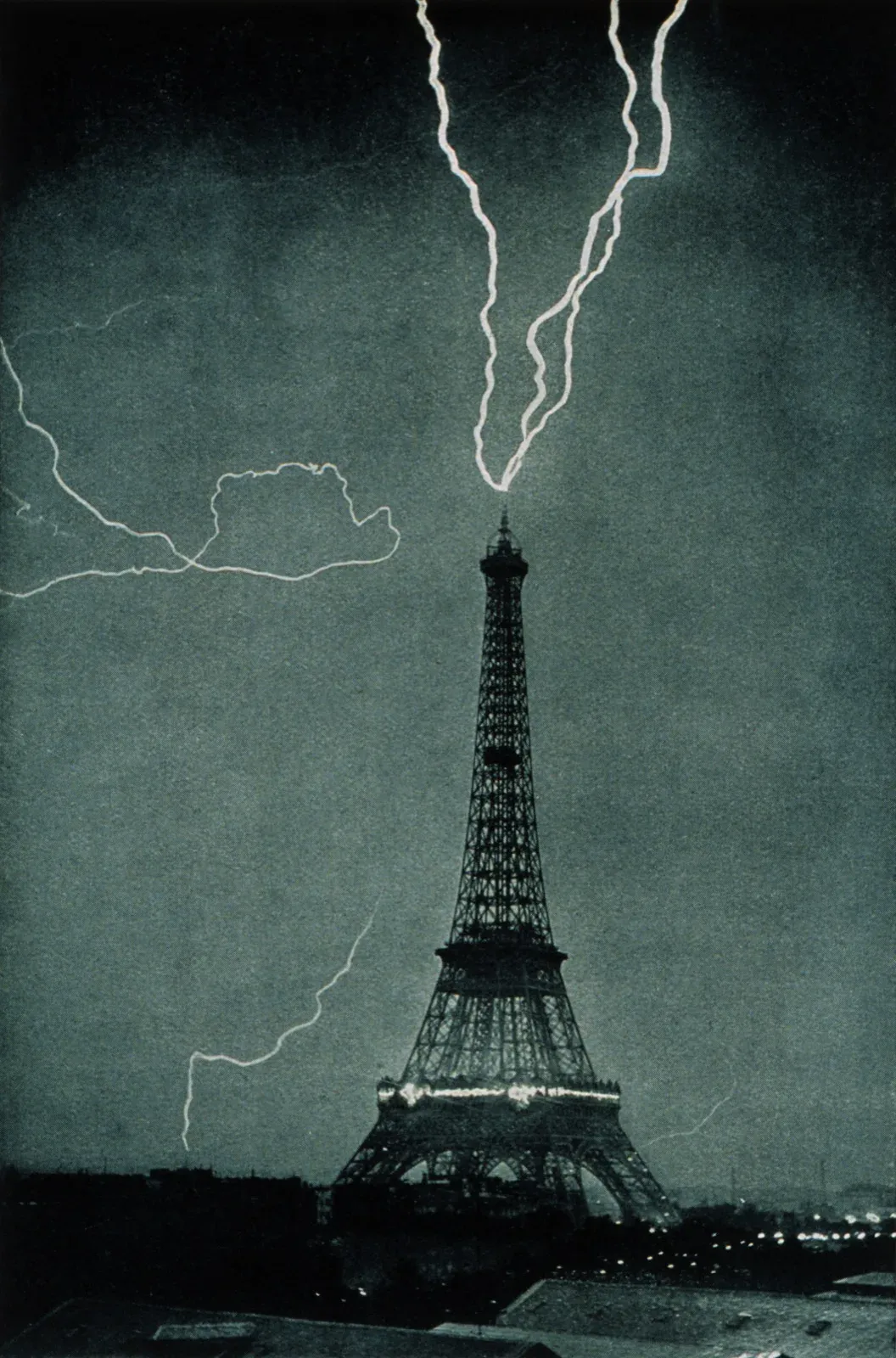
A lightning protection system gives a strike a planned metal path from the roof to the ground, so the current doesn’t go looking for its own way through framing, wiring and pipes. With lightning strike protection in place, a direct hit stays on the outside of the building instead of starting a fire in the attic or blowing a hole in a parapet. What a system doesn’t do is stop lightning from striking, and on its own it doesn’t keep surges off the wiring. The National Weather Service says it plainly: lightning protection systems “do not prevent lightning from striking the structure” (NWS).
What a lightning protection system prevents
| Hazard from a direct strike | What the system does about it | Where it falls short |
|---|---|---|
| Fire in roof framing, attics and wall cavities | Air terminals take the strike and conductors carry it outside the structure to ground | Only covers the parts of the building inside the zone of protection |
| Structural damage (blown masonry, split rafters, roof punctures) | The current stays in listed copper or aluminum conductors sized to carry it | A system with broken connections or missing terminals can leave gaps |
| Side flash from the current jumping to pipes, ducts or wiring | Bonding ties nearby metal to the system so it all rises to the same potential | Metal added later, like a new HVAC unit or dish, has to be bonded in too |
| Surges entering on power, phone, cable and data lines | Surge protective devices at each service entrance are part of a complete system | Rods and cable alone do nothing for surges arriving on utility lines |
| Ignition of flammable vapors at fuel and process sites | NFPA 780 has separate rules for structures holding flammable vapors and liquids | Needs site-specific design, not a house-style layout |
The NWS describes the job the same way: protecting the structure from a direct strike and from a lightning-initiated fire, with surge protection on incoming power, data and communication lines to deal with what comes in through wires and pipes (NWS).
How do lightning protection systems protect structures?
They work by giving the strike somewhere better to go. The Lightning Protection Institute describes a system as a reasonably direct, low-resistance, low-impedance metallic path for lightning current to follow, and lists five parts that make it work (LPI):
- Strike termination devices (air terminals) on the high points, which accept the strike.
- Conductors that carry the current across the roof and down the walls.
- Grounding electrodes that spread the current into the earth.
- Bonding that connects the system to other grounded metal in the building.
- Surge protection devices at the service entrances.
The parts depend on each other. A rod on the ridge with no proper path to ground can do more harm than good, because the current will jump to whatever conducts best. LPI’s model specification calls for every air terminal to have a two-way path, horizontally and downward, to the ground system, for no fewer than two down conductors on any structure, and for surge suppression at every system entrance (LPI specification).
What lightning damage costs
Lightning damage claims are rising, and the average claim cost rose much faster. The Insurance Information Institute and State Farm counted 61,986 US homeowners lightning claims in 2025, up 11.6% from 2024. Insurers paid out $1.65 billion on them, and the average claim reached $26,616, up 42.8% in a year. Texas averaged $60,382 per claim (Triple-I).
Fire accounts for most of the expensive damage. Using National Fire Protection Association figures, the NWS puts lightning at about 24,600 fires a year and about $407 million in damage. About 4,400 of those are house fires, costing around $283 million, and most people killed in lightning-caused fires lived in homes that lightning set on fire (NWS lightning fires).
A protected building can still take a strike, but the current runs down the outside on cable sized for it instead of through dry framing. LPI’s FAQ says a system meeting NFPA 780 and UL 96/96A directs a strike to ground without harming the structure, and adds the catch that skipping the standards or using non-listed materials can leave a building inadequately protected (LPI FAQ).
What lightning protection doesn’t do
Owners tend to expect more from a system than it delivers in five places.
- No system stops lightning from striking. Air terminals give it a preferred place to attach (NWS).
- A system doesn’t attract lightning either. LPI calls that idea a common misconception. A protected building isn’t hit more often than it would be without the system (LPI FAQ).
- Rods and cable don’t stop surges. A strike on a nearby power line can send a surge into the building through the service. That’s the job of surge protective devices, which a complete system includes at every service entrance. LPI treats extra protection for individual electronics inside as optional, decided case by case (LPI). For a layered approach to TVs, computers and network gear, see how to protect electronics from lightning.
- The electrical ground isn’t a lightning ground. LPI notes that a building’s electrical ground isn’t designed to handle a lightning strike (LPI FAQ).
- A system needs upkeep. LPI’s FAQ says the standards recommend periodic inspection, and inspection after roof work, electrical updates, satellite dish installs and HVAC changes. Each of those can leave new metal outside the zone of protection or knock a conductor loose.
Benefits for commercial buildings and oil and gas sites
On a house the main benefit is fire prevention. On a commercial building, downtime matters as much as the repair bill. A strike that knocks out rooftop units, the fire alarm panel or a server room stops the business, even if the structure is fine. The 2024 International Building Code recognizes the link: where a lightning protection system is installed, Section 2703.2.1 requires surge protective devices to be installed with it, following NFPA 70 and either NFPA 780 or UL 96A. The code still doesn’t require a system on ordinary buildings (2024 IBC text, Minnesota DLI code worksheet). Whether one is warranted is a risk question, and NFPA 780 has a method for answering it. Our lightning risk assessment guide runs the numbers for a warehouse and a house.
At tank batteries, saltwater disposal sites and fuel storage, a strike can ignite flammable vapors, and the result is a fire or an explosion rather than a roof repair. NFPA 780 deals with these structures in their own chapter (Chapter 7) (NFPA 780), with rules for vapor openings, tank grounding and bonding that a house-style layout doesn’t cover. That’s a different design job from a home system, and it’s why oil and gas protection is planned site by site. See oil and gas facility lightning protection for what that work involves.
Is a lightning protection system worth it?
For most buildings the cost is small next to what it protects. LPI says pricing generally runs under 1% of the structure’s value, varying with size, roof type, construction and grounding conditions (LPI FAQ). Insurance treatment varies by company. LPI notes that some insurers offer discounts for a certified system, so ask your agent before you price one.
It pays back fastest on buildings that are:
- tall or isolated, like a ranch house on a ridge, a barn in open pasture, a church steeple or a hilltop home;
- in areas with frequent strikes, which covers much of Texas and Oklahoma and the Colorado Front Range in summer;
- holding things that are hard to replace: irreplaceable records, critical equipment, livestock, fuel or people who can’t easily get out.
A house in a dense neighborhood surrounded by taller trees and buildings is at the other end of the scale.
Getting lightning strike protection from Site Safe Lightning Protection
Site Safe Lightning Protection installs lightning protection systems for homes, commercial buildings and oil and gas facilities, and inspects and maintains existing ones. If you’re weighing whether a system is worth it for your house, shop, warehouse or well site, contact Site Safe Lightning Protection and we’ll look at the structure, what’s inside it and how exposed it is.
Talk to Site Safe Lightning Protection about your property.
Frequently asked questions
What are the benefits of a lightning protection system?
It gives a direct strike a planned path from the roof to the ground, which keeps the current out of framing, wiring and pipes. That prevents most lightning fires and structural damage, and bonding reduces side flashes inside the building. With surge protection at the service entrances it also limits surges coming in on utility lines.
Do lightning rods really work?
Yes, as part of a complete system. LPI says a system that meets NFPA 780 and UL 96/96A directs a strike to ground without harming the structure. A single rod without proper conductors, grounding and bonding can do more harm than good.
Does a lightning protection system protect electronics?
Not by itself. Air terminals and conductors handle direct strikes. Surges that come in on power, phone, cable and data lines need surge protective devices at each service entrance, and sensitive equipment may need its own protection inside.
Does a lightning protection system attract lightning?
No. LPI calls that a common misconception. The system gives lightning a preferred place to attach if it strikes the building, but it doesn't make a strike more likely.
Is lightning protection worth the cost?
For tall, isolated or high-value buildings in strike-prone areas it usually is. LPI says a system generally costs less than 1% of the structure's value, and some insurers offer discounts for certified systems.
Sources
- National Weather Service: Lightning Rods and Lightning Protection Systems
- National Weather Service: Lightning Fires and Lightning Strikes
- Insurance Information Institute: Facts + Statistics, Lightning
- Lightning Protection Institute: Lightning Protection Overview
- Lightning Protection Institute: FAQ
- Lightning Protection Institute: Lightning Protection Systems Specification
- 2024 IBC Section 2703 text, Minnesota DLI commercial code TAG worksheet (June 2024)
- NFPA 780, Standard for the Installation of Lightning Protection Systems (NFPA document page)
Image credits
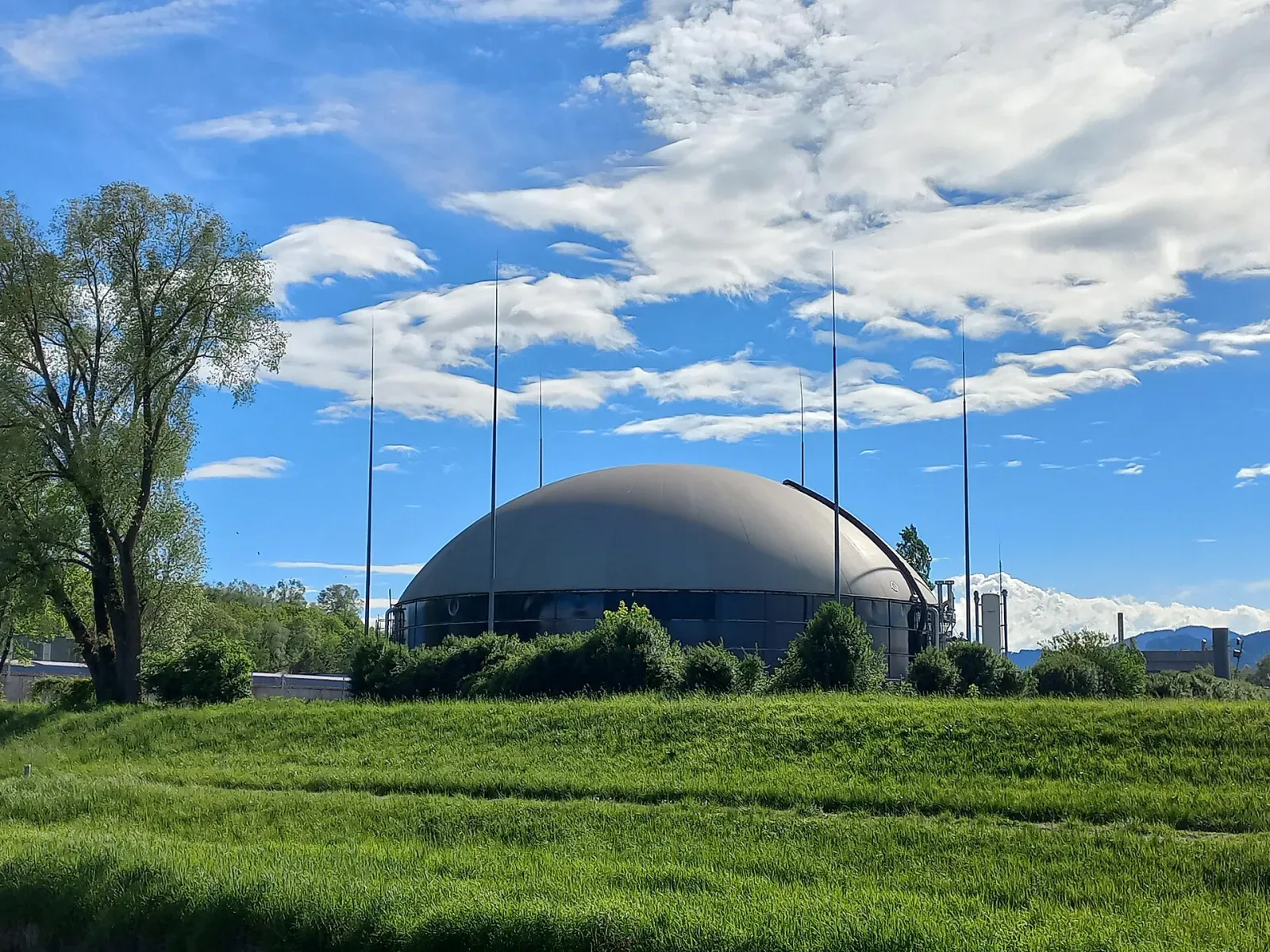
- Domed biogas digester ringed by tall freestanding lightning masts beside a grassy embankment. Photo: Asurnipal / Wikimedia Commons (source), CC BY-SA 4.0, resized.